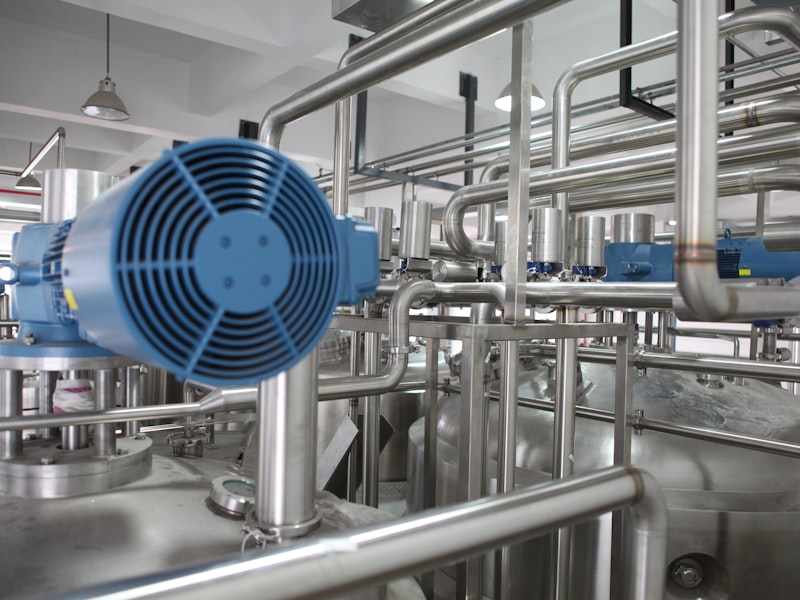
Process Ammonia Analyzer
TDLAS ammonia slip analyzer for SCR/SNCR optimization and emission control
- Range
- 0–50 ppm NH₃ (configurable to 500 ppm)
- Accuracy
- ±0.5 ppm or ±2% of reading
- Response
- <2s T90
- Output
- 4-20mA, Modbus, HART
Overview
The GS8700-NH3 uses tunable diode laser absorption spectroscopy for sub-ppm ammonia measurement at SCR/SNCR catalyst outlets, supporting closed-loop urea dosing feedback where NOₓ control and ammonia-slip monitoring share the same SCR/SNCR duty.
- TDLAS optical NH₃ measurement for low-ppm ammonia-slip duty
- In-situ cross-duct option (no sample conditioning)
- Purge air system for high-dust environments
- Heated extractive option for retrofit installations
- Auto-validation with internal NH₃ reference cell
- Direct SCR/SNCR feedback for closed-loop NOₓ control
- TDLAS NH₃ capability is also represented by the brochure ZS8700 wall-mounted platform — same physics family, different form factor
Full Technical Specifications
Key Performance
| Metric | Value | Status |
|---|---|---|
| Range | 0–50ppm NH₃ | confirmed |
| Extended Range | Configurable to 500ppm NH₃ | confirmed |
| Accuracy | ±0.5 ppm or ±2% of reading | confirmed |
| Response | <2s T90 | confirmed |
| Outputs | 4-20mA, Modbus, HART | confirmed |
Specifications
| Specification | Value |
|---|---|
| Range | 0–50 ppm NH₃ (configurable to 500 ppm) |
| Accuracy | ±0.5 ppm or ±2% of reading |
| Response | <2s T90 |
| Output | 4-20mA, Modbus, HART |
Deployment Environments
Common process environments where this model is evaluated.
Certification Scope
Standards are listed with scope and status so engineering review can verify the applicable enclosure, area, and safety case.
| Standard | Scope | Variant | Status | Document |
|---|---|---|---|---|
| CE | Product badge listed in v1 certification badges | Project variant | approved | On request |
| ATEX | Product badge listed in v1 certification badges; final zone scope confirmed per project | Project variant | approved | On request |
| CEMS / stack reporting package | Application-listed duty; method and reporting scope confirmed per project | Project variant | conditional | On request |
Documentation
Download the technical datasheet for this model, with application-note evidence for engineering review.
Evidence Notes
SCR/SNCR ammonia-slip monitoring architecture
Low-ppm NH₃ slip is measured on the SCR/SNCR outlet path with TDLAS line selection, purge protection, and optional heated extractive handling so the analyzer signal can feed dosing review without relying on delayed manual sampling.
Technical & Engineering Details
Secondary engineering detail — expand each topic for the full measurement, envelope, sample-system, calibration, and maintenance information.
01 Measurement Principle and Limits
How the measurement is bounded
TDLAS locks onto an NH₃ absorption line for low-ppm ammonia-slip measurement at SCR/SNCR catalyst outlets.
Rejects
- Broad-band gas fitting where NH₃ is inferred from multiple overlapping gas channels
Requires
- Stable optical path
- Purge air for high-dust ducts
- Heated extractive path when a retrofit loop is used
- Application matrix review for wet-stack duty
Interferents and Limits
- H₂O, CO₂, and SO₂ spectral background require line-selection and matrix review rather than a blanket rejection claim
- High-dust ducts require purge design
- Wet-stack or cold extractive runs require heated sample handling
- NH₃ ranges above 500 ppm require configuration review
02 Operating Envelope
Use these limits as selection inputs, then confirm sample condition, ambient exposure, and materials before quotation.
- Cold extractive lines where NH₃ adsorption cannot be controlled
- Unreviewed wet-stack matrix at SCR/SNCR outlet
03 Sample System Boundary
Sampling mode, conditioning components, and exclusions define where the analyzer responsibility ends and the sample system begins.
- Cross-duct optical path
- Purge air system
- Optional heated extractive retrofit path
- Internal NH₃ reference cell
- Unheated extractive line for low-ppm NH₃ slip duty
04 Calibration & Validation site-specific
Calibration method, interval, and traceability are shown only when structured data is available.
Zero / Span Method
Auto-validation with internal NH₃ reference cell
Interval
Site-specific
- SCR/SNCR ammonia-slip monitoring
- Stack emission reporting support when project documentation requires it
05 Maintenance & Spares site-specific
Tasks, consumables, and access items are shown only when structured maintenance data is available.
- Inspect purge-air path
- Check optical alignment
- Verify heated extractive path when fitted
- Run NH₃ reference-cell validation
- Purge air filtration elements where fitted
Related & Alternatives
Alternative Solutions
Related Measurement Technologies
Measuring more than just ammonia? Explore complementary analytical categories.
 SO₂ / NOₓ
SO₂/NOₓ Analyzers
UV-DOAS and chemiluminescence analyzers for sulfur dioxide and nitrogen oxide measurement, essential for CEMS compliance and flue gas desulfurization control.
View Products Multi
Multi
Multi-Gas Analyzers
Simultaneous multi-component gas analysis using FTIR, NDIR, and combined-sensor platforms for complex process streams, comprehensive CEMS, and research applications.
View ProductsReview GS8700-NH3 against site conditions
Send gas range, sample temperature, pressure, moisture, and certification needs before final model selection.