
Gas Analysis Technical Notes
Practical notes for selecting measurement methods, reviewing installation constraints, and preparing an analyzer RFQ.
Three Checks Before You Specify an Analyzer
These notes focus on measurement duty, sample conditions, and documentation scope—the inputs that determine whether a proposed analyzer configuration is suitable.
Published by: GESHINE Content updated: 23 July 2026 Project-specific specifications remain subject to quotation review.
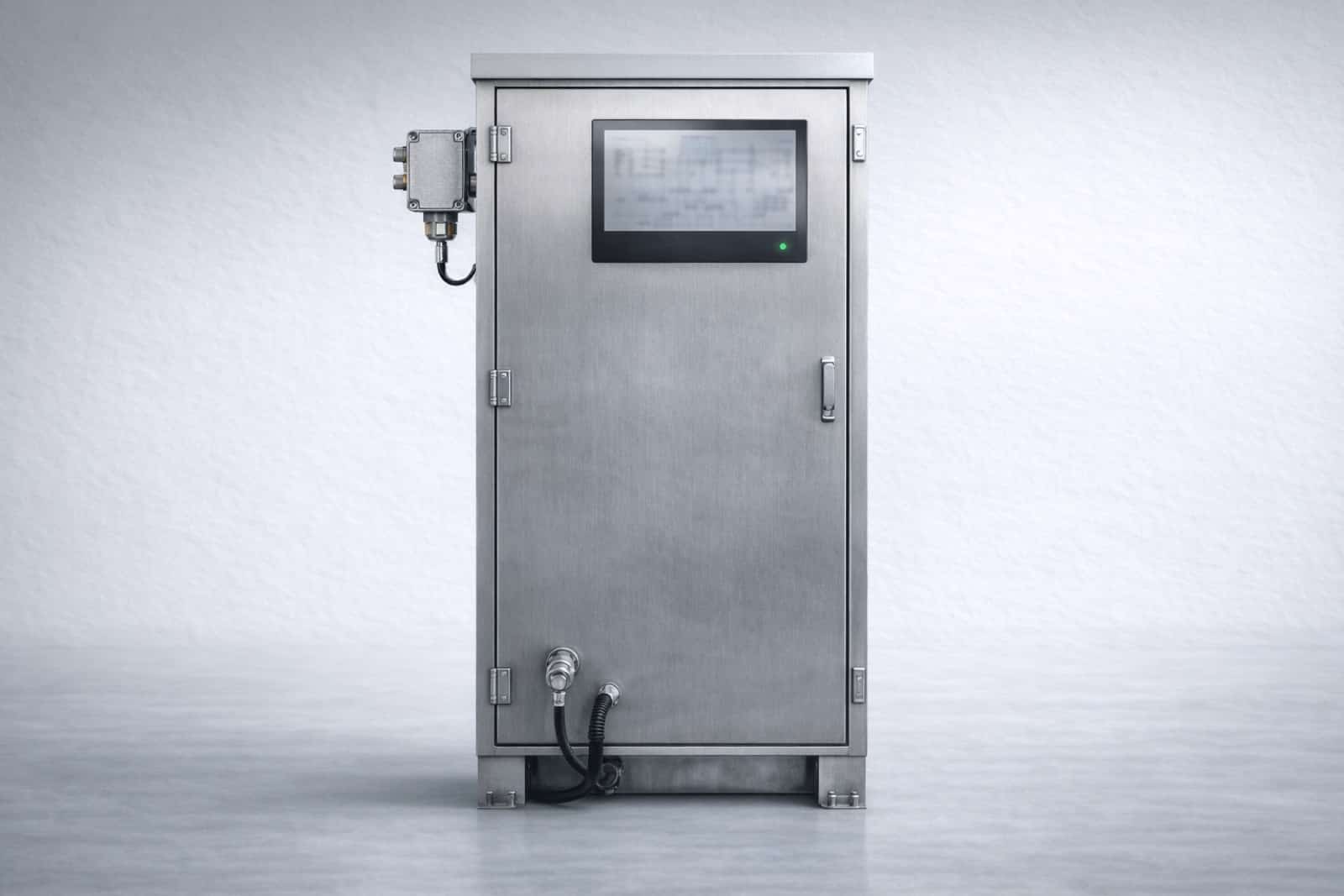 Selection Guide
H₂S measurement
Choosing an H₂S Measurement Path for Hazardous Process Gas
Start with the measurement duty: personnel-safety alarm, continuous process value, or a defined stationary-source method. The complete guide compares in-situ TDLAS and extractive paths, then lists the process, hazardous-area, utility, output, and documentation inputs needed before a range or performance commitment can be made.
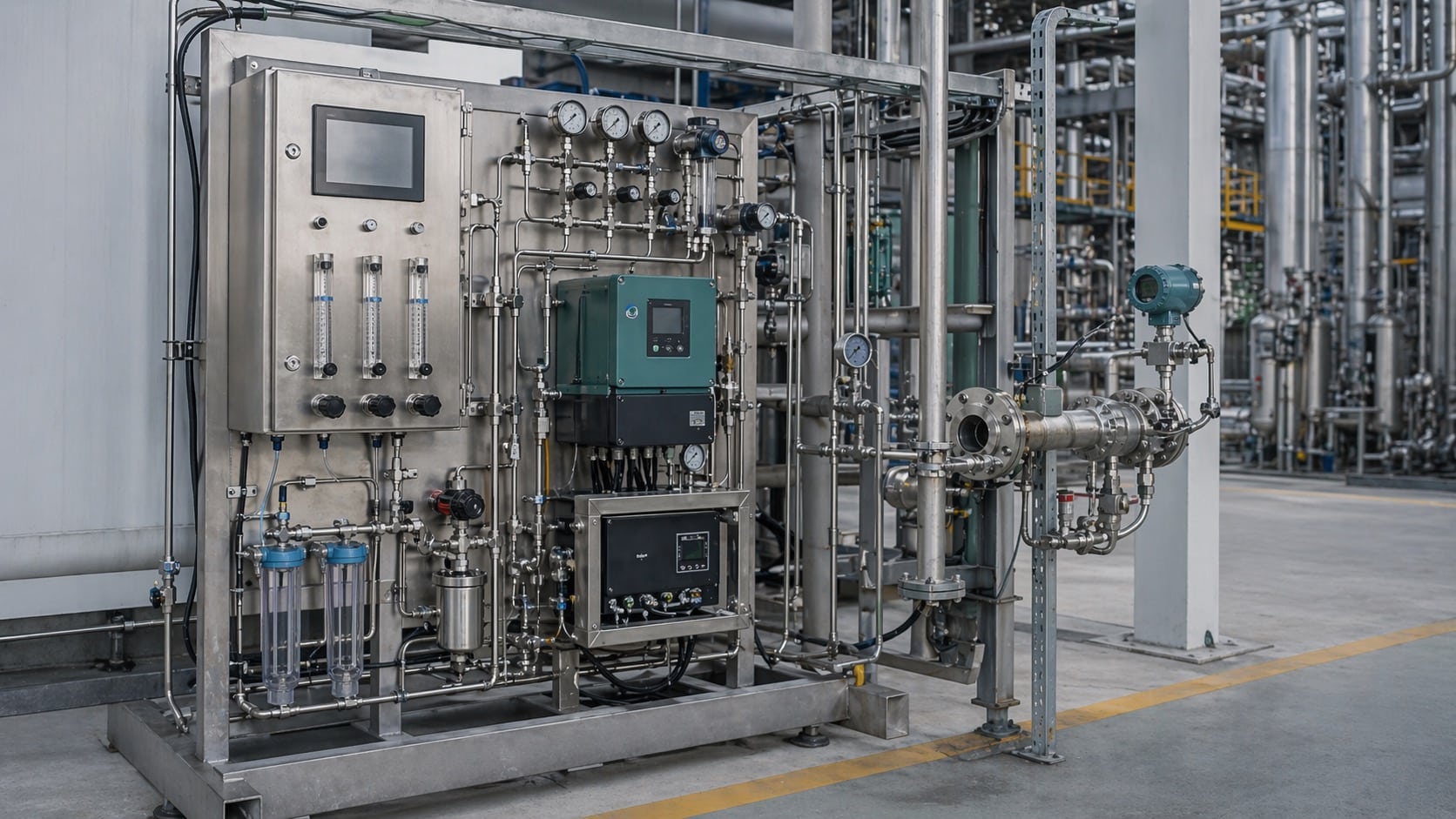 Technology Note
N₂O analysis
When Gas Filter Correlation Fits Continuous N₂O Monitoring
Gas filter correlation can improve selectivity for an N₂O absorption structure, but it does not eliminate matrix and sample-path effects. The complete guide explains when the method is a practical fit, how conditioning changes the result, and which reporting, calibration, interference, and RFQ inputs must be agreed for a continuous duty.
 Procurement Guide
Document review
How to Review Analyzer Certificates and Project Documentation
Management-system certificates, product approvals, and project documents prove different things. The complete guide shows how to verify the covered model, marking, certificate status, schedules and annexes, then build a project document register that clearly separates available evidence, project confirmation, and out-of-scope requirements.