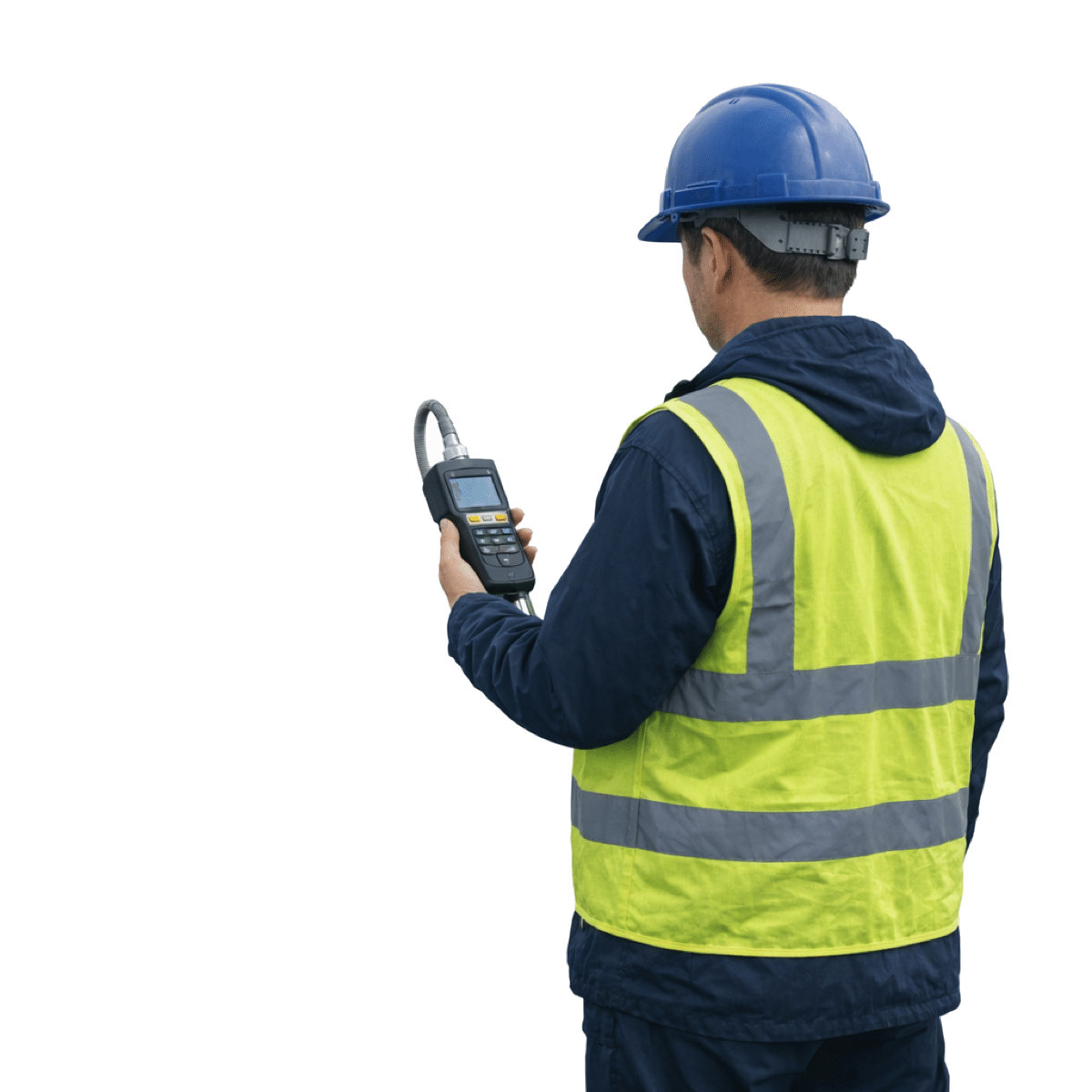
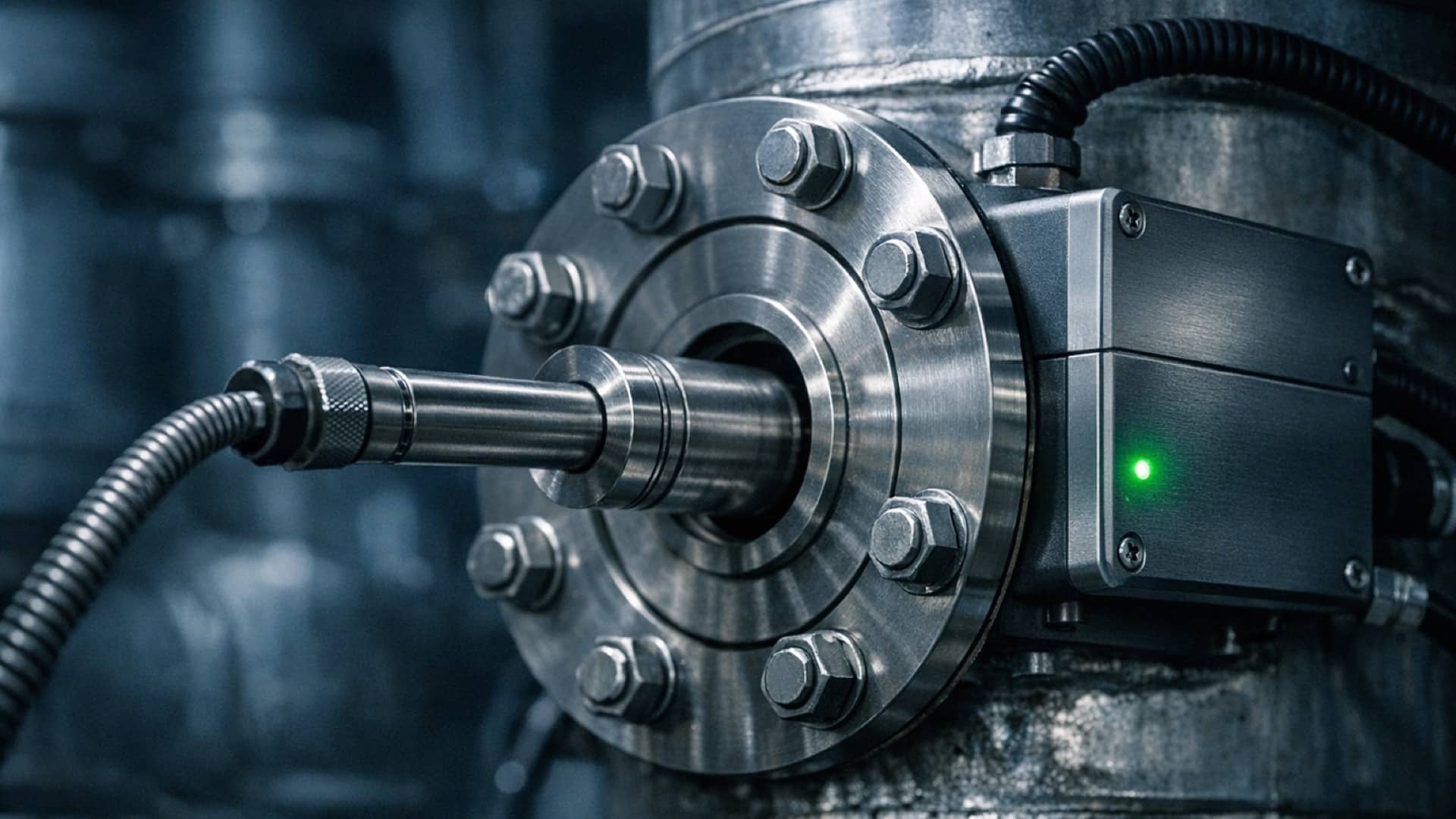
Industrial Gas Analyzer Solutions — Multi-Technology Platforms Across 16+ Gases
TDLAS, NDIR, UV-DOAS, GFC and CLD — engineered for CEMS compliance, closed-loop process control, and safety monitoring applications.
One engineering team matched to your application — from flue-gas reporting to real-time control.
Industrial Gas Analyzers by Target Gas
Select the gas you need to measure — each category covers extractive, in-situ, portable, and bench-top instrument options.
-
O2
Oxygen Analyzers
Precision O₂ measurement from %vol to ppm — combustion trim, inerting, ASU purity, SIL 2 safety loops.
Explore -
CO/CO2
CO / CO₂ Analyzers
Stable, lower-cost combustion-gas measurement for boiler efficiency, CEMS reporting, and biogas upgrading.
Explore -
SO2/NOx
SO₂ / NOₓ Analyzers
Multi-pollutant CEMS for power, cement, and waste incineration — EN 15267, QAL1, MCERTS pathways.
Explore -
H2S
H₂S Analyzers
Ppb to %vol hydrogen sulfide — amine plant, SRU tail gas, biogas pre-treatment, hazardous-area duty.
Explore -
LEL/CH4
Combustible Gas Detectors
Fixed and portable LEL detection for offshore platforms, refineries, tank farms, and mining safety.
Explore -
VOC
VOC Analyzers
Volatile organic compound monitoring for fugitive emissions, LDAR programs, and workplace exposure.
Explore -
Multi
Multi-Gas Analyzers
Multi-component platforms covering 4–8 gases on one cabinet — CEMS, stack, and process duty.
Explore -
H2O
Moisture Analyzers
Trace moisture / dew point in natural gas, high-purity gas, and dried process streams — ppb to ppm.
Explore -
Cl2
Chlorine Analyzers
Dual-domain platform: gas-phase Cl₂ (UV-DOAS) plus water-borne free / total chlorine for chlor-alkali and water treatment.
Explore -
NH3
Ammonia Analyzers
Sub-ppm NH₃ slip monitoring at SCR / SNCR outlets — in-situ and extractive options for DeNOx loops.
Explore -
HCl
HCl Analyzers
Hydrogen chloride monitoring at acid-gas scrubbers, waste incineration stacks, and chemical reactor vents.
Explore -
HF
HF Analyzers
Hydrogen fluoride duty in aluminum smelter, semiconductor etch, and HF-resistant Monel / PFA wetted parts.
Explore -
N2O
Nitrous Oxide Analyzers
Greenhouse-gas N₂O monitoring in adipic acid, nitric acid plants, and emissions reporting.
Explore -
H2
Hydrogen Analyzers
Process-grade H₂ measurement for syngas, refineries, and metallurgy. Safety %LEL is covered under combustible-gas detectors.
Explore -
C2H2
Acetylene Analyzers
Acetylene trace monitoring in air-separation safety loops and steel-mill blast-furnace off-gas.
Explore -
THC
Total Hydrocarbon Analyzers
THC / NMHC reporting via EPA Method 25A/25B — refinery, petrochemical, and waste-gas vents.
Explore
Or browse by gas stream & application
Application-focused pages covering analyzer selection, measurement points, and compliance context for process streams, CEMS, and gas quality workflows.
How to Choose the Right Industrial Gas Analyzer
Start from your process conditions and measurement objective — the right technology and installation method follow from there.
Six questions worth asking before you choose an analyzer
Answer them in order — what you decide on one usually narrows what is available for the next.
- Target Gas
How do I match an analyzer to my target gas and concentration range?
Start with the gas species and the working range (ppb / ppm / %vol). These two inputs decide which detection principle is even feasible for your application.
TDLAS handles ppm-to-%vol for combustion gases, NH₃, HCl, HF, H₂O, and CH₄ with virtually no cross-interference. NDIR / GFC is the cost anchor for stable CO / CO₂ / CH₄ / N₂O. UV-DOAS covers SO₂ / NOₓ / Cl₂. For trace work below ppm, dedicated UV-fluorescence (H₂S) or CLD (NOₓ reference method) is the right path. Make sure every measurement you will need is on the spec on day one — buyers often discover post-purchase that one missing channel or the wrong range breaks the use case.
Fit for: You know the gas you need to measure and roughly the rangeNot for: An unknown gas mix where a sampling check has not been done yet - Accuracy & Response
What accuracy and response time does my application demand?
Define what the measurement is for — regulatory CEMS reporting, closed-loop process control, or safety alarm — and the accuracy and Tₐ budget follow.
Compliance reporting typically needs ±1–2% with QAL1 / EN 15267 / MCERTS type approval. Closed-loop process control benefits from sub-second response, which is where TDLAS (<1 s) outperforms NDIR / UV-DOAS (5–30 s). Safety alarms prioritize fast Tₐ and ppm-level sensitivity over absolute precision. Aim for the lowest practical Tₐ only when the loop or alarm needs it — over-tightening adds maintenance hours on top of the upfront price.
Fit for: You know what the measurement is for and what tolerance is acceptableNot for: Picking based on the datasheet headline without checking your loop or compliance need - Process Conditions
How do process and environmental conditions narrow the choice?
Temperature, pressure, dust load, moisture, and corrosivity decide whether the analyzer can stay in-situ or must sit behind a sample-conditioning train.
High-temperature flue gas (>200 °C), wet sticky dust, or corrosive HCl / HF favor in-situ TDLAS that tolerates the duct, or extractive systems with heated lines and acid-resistant wetted parts (Monel / PFA). Hazardous-area zones require ATEX or IECEx-rated enclosures. Confirm dew point and dust load before you finalize the configuration — industry sources often point to the sample-conditioning system as the dominant source of analyzer errors, so confirm probe material, filter type, and back-purge alongside the analyzer choice.
Fit for: You have a site survey or P&ID showing temperature, dust, and moistureNot for: Choosing an in-situ probe before you know the dust load or dew point - Verify Technology
Which measurement technology actually fits, once the gas, range, and conditions are settled?
Once your first three answers are in, the technology that fits usually narrows itself — this question is about confirming the match, not picking a technology in isolation.
TDLAS is the broadest platform (10+ gases, in-situ-capable, virtually no cross-interference). NDIR / GFC is the cost anchor for stable CO / CO₂ / CH₄ / N₂O. UV-DOAS handles multi-component SO₂ / NOₓ / Cl₂. CLD remains the regulatory reference for NOₓ. Paramagnetic and zirconia stay the gold standard for O₂. Cross-check the side-by-side table below before committing.
Fit for: You have settled the gas, the range, and the conditions firstNot for: Picking a technology by brand familiarity before you know the gas - Installation
In-situ, extractive, portable, or OEM module — which installation method?
Installation is decided by maintenance access, multi-point coverage needs, and whether the sample can travel without changing composition.
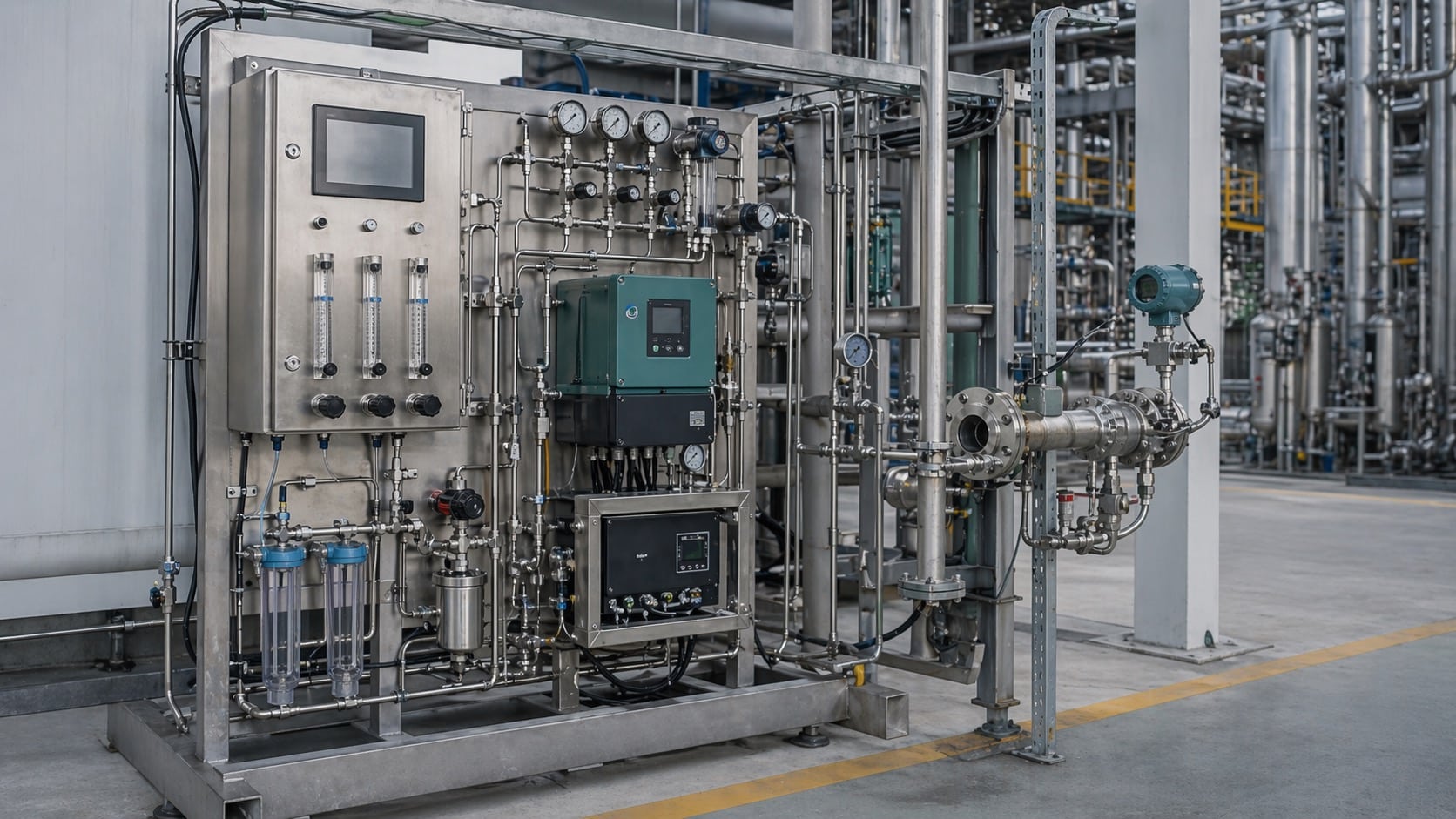
In-situ wins on response time and zero sample handling, but loses when one analyzer must serve multiple measurement points. Extractive scales to multi-point CEMS with shared conditioning. Portable analyzers serve field inspection and confined-space entry — not 24/7 monitoring. OEM modules embed into the customer’s analyzer cabinet — pick this when integrating into a third-party CEMS or system rack.
Fit for: You have a clear plan for how the analyzer will be maintained and used over its lifeNot for: Choosing portable when you need 24/7 compliance monitoring - Compliance & cost
What compliance, lifetime cost, and service costs should I plan for?
The real cost over the life of an analyzer is driven by calibration interval, sample-conditioning consumables, and certification scope — not the sticker price.
Aim for analyzers with 6–12 month calibration cycles (TDLAS typical) over 3–6 month cycles (NDIR / UV-DOAS), and check whether sensors can be replaced on site or have to go back to the factory — that single difference often shapes lifecycle cost over 5–10 years more than the calibration interval itself. Some electrochemical O₂ sensors are also calendar-life parts that age whether they are used or not, so plan replacement on the calendar, not on the meter. Confirm certifications match the regulatory context: QAL1 / EN 15267 / MCERTS for European CEMS, ATEX / IECEx for hazardous zones, SIL 2 for safety loops, IP66/67 for ingress protection. Service coverage and regional spare-part availability matter as much as accuracy when the analyzer has to run for years.
Fit for: You weigh the 5–10 year cost of ownership, not just the upfront priceNot for: A lowest-bid choice that ignores QAL3 audits and service coverage
Common situations and the setup that usually fits
Pick the situation closest to yours. The six questions above help confirm the fit.
Harsh environment, fast response, minimal maintenance
In-situ TDLASNot ideal for: High-dust without purge, multi-component in one pointMulti-component CEMS compliance
Extractive TDLAS + UV-DOAS systemNot ideal for: Simple single-gas spot checkStable process, cost-sensitive (biogas, combustion)
NDIR / GFC analyzersNot ideal for: ppb-level trace, high cross-interference riskField inspection, confined-space entry
Portable analyzersNot ideal for: Continuous online monitoringDeNOx ammonia slip with dust and moisture, sub-ppm NH₃
In-situ TDLAS NH₃ with heated extractive backupNot ideal for: Generic NDIR or electrochemical for sub-ppm NH₃
In-situ or extractive — which installation fits your duct?
Both methods deliver compliance-grade results. The choice usually comes down to where the analyzer lives and how the sample reaches it.
| What to weigh | In-situ | Extractive |
|---|---|---|
| Sample handling | The probe sits in the duct — no sample line, no conditioning | A heated sample line carries gas to a conditioned analyzer cabinet |
| Response time | Sub-second with TDLAS — direct optical measurement in the gas stream | 5–30 s once the sample reaches the analyzer (line transit plus cell) |
| Multi-point coverage | One probe is needed per measurement point | One analyzer can serve several sample points through a switching valve |
| Maintenance access | Service happens at the duct and may need a process pause | Service happens at the cabinet — safer access and easier scheduling |
| Relative cost (initial install) | Lower for a single point — fewer external components and shorter wiring runs | Higher initial outlay, but the per-point cost drops once one analyzer serves several sample points |
| Hazardous areas | The field enclosure must be ATEX or IECEx rated for the zone | The analyzer can sit in a safe area; only the sample line runs through the zone |
| Condition suitability | Built for harsh duct conditions — high temperature, dust, and measured directly in the duct | Better for complex, wet, or corrosive samples that need conditioning before reaching the analyzer |
| Best for | Harsh duct, high temperature, fast control loops, single point | CEMS compliance, multi-component reporting, complex or corrosive samples |
Common mistakes when buyers choose an industrial gas analyzer
Patterns we see often enough to flag — confirm these before you commit, not after.
Choosing an analyzer before the dust load and dew point are known
The analyzer is rarely the failure point — the duct it has to live in is. Plants that pick a probe before the dust load, dew point, and corrosivity are characterized often end up with a clogged or poisoned probe in the first months.
What to do insteadRun a quick site survey or pull the P&ID before you shortlist analyzers. The right probe material, filter type, and back-purge usually narrow the analyzer choice on their own.
Picking the cheapest cabinet without checking whether sensors can be replaced on site
Sensors that have to ship back to the factory for re-calibration sound fine until the first replacement cycle hits. The difference between “replace on site” and “send back to the factory” often shapes 5–10 year cost more than the number on the quote.
What to do insteadAsk the vendor whether sensors are replaceable on site, what spare parts are stocked regionally, and how long a typical service callout takes. Build that answer into the lifecycle math, not just the sticker price.
Treating the analyzer as the whole system
Industry sources often point to the sample-conditioning system — heated lines, chillers, filters, fittings — as a major source of analyzer errors, not the analyzer itself. Asking for a price on “an analyzer” without including the conditioning train usually means paying twice.
What to do insteadSpecify the probe, filter, heated line, conditioning skid, and analyzer as one system. That is the only level at which a CEMS-class result is actually achievable.
Confusing an analyzer with a detector
A gas analyzer reports continuous concentration with ppm-class precision; a gas detector triggers an alarm above a threshold. Compliance reporting and process control need an analyzer; safety alarms need a detector. Mixing the two leads to either a non-compliant report or a slow-acting alarm.
What to do insteadMap the use case to the right tool first: continuous reporting and control means an analyzer; threshold-triggered alarm means a detector. Most projects need both, on different points.
Ignoring spare-part lead time and regional service
The price on the quote is only one part of the picture. Buyers who skip vendor spare-part lead times and service-network reach often find the analyzer running fine while a basic part holds up the whole plant for weeks.
What to do insteadAsk for a stocked spare list, an average regional callout time, and field-service reach before signing. The same analyzer can have very different real-world reliability depending on where the parts are warehoused.
Comparing Industrial Gas Analysis Technologies
Each measurement principle has distinct strengths — TDLAS is our core platform, covering the broadest range of gases with the lowest maintenance burden.
| Comparison criterion | TDLAS (Core) | NDIR / GFC | UV-DOAS | CLD |
|---|---|---|---|---|
| Response time | <1 s | 15–30 s | 5–10 s | 5–15 s |
| Cross-interference | Virtually none | Moderate | Low | Very low (NO-selective; NO₂ via converter) |
| Sample conditioning | Optional (in-situ available) | Required | Required | Required (heated, dry) |
| Maintenance | Low | Medium | Medium | Higher (ozone generator + reactor) |
| Calibration interval | 6–12 months | 3–6 months | 3–6 months | 3–6 months |
| Suitable conditions | High temp, dust, corrosive | Clean, dry, moderate temp | Clean, moderate temp | Clean, dry, moderate temp |
| Detectable gases | 10+ (NH₃, HF, HCl, CO, CO₂, O₂, H₂O, CH₄, H₂S, C₂H₂) | CO, CO₂, CH₄, N₂O, CₙHₘ | SO₂, NO/NO₂, NH₃, Cl₂ | NO directly; NO₂ / NOₓ via converter |
| Relative upfront cost | ●●●○ | ●●○○ | ●●●○ | ●●●○ |
| Best for | Harsh process, in-situ, multi-gas | Stable process, biogas, cost-sensitive | Multi-pollutant CEMS (SO₂, NOₓ, Cl₂) | Regulatory NOₓ reference method |
Additional technologies: TCD for H₂ detection, UVF for high-sensitivity SO₂, ZrO₂ / Electrochemical for in-situ O₂ measurement.
How Gas Analyzers Work
Four detection principles cover most industrial gas analysis. This hub points you to the right technology — each category page carries the full engineering detail.
-
TDLAS
Tunable Diode Laser AbsorptionA laser scans a single absorption line, so it reads one gas selectively even in a dusty, wet flue matrix. Fast in-situ response; the GESHINE core platform.
Explore -
NDIR
Non-Dispersive InfraredBroadband IR absorption — the stable, lower-cost route for CO, CO₂ and CH₄ where one or two well-defined IR-active gases are in scope.
Explore -
UV-DOAS
UV Differential Optical AbsorptionUltraviolet absorption for SO₂, NOₓ, Cl₂ and other UV-active species — strong where IR methods have no coverage.
Explore -
Electrochemical
Electrochemical CellA cell generates a current proportional to concentration — lower CapEx for O₂ and toxic-gas duty, with a finite cell life to budget in the TCO.
Explore
Gas Analyzer Applications Across Industries
Gas measurement instruments serve emissions compliance, process optimization, and safety monitoring across heavy industry.
-

Power Generation
O₂ CO SO₂ NOₓ NH₃Boiler, turbine exhaust, SCR outlet
Extractive + In-situ
-
Steel & Metallurgy
O₂ CO CO₂ H₂ C₂H₂BOF, blast furnace, DGA
In-situ TDLAS
-
Petrochemical
H₂S CO CO₂ CH₄ O₂Flare, process vent, pipeline
Extractive
-
Waste Incineration
HCl HF SO₂ NOₓ NH₃Stack, acid gas scrubber
Extractive TDLAS
-
Cement & Building
SO₂ NOₓ CO O₂ NH₃Kiln, preheater, DeNOx
Extractive
-
Chemical / Chlor-Alkali
Cl₂ HCl NH₃ H₂SReactor, storage, leak detection
TDLAS + UV-DOAS
-
Biogas & Landfill
CH₄ CO₂ O₂ H₂SDigester, upgrading, flare
NDIR + EC
-
Air Separation
O₂ N₂O H₂OPurity monitoring, trace analysis
Paramagnetic + TDLAS




Why Choose GESHINE for Industrial Gas Analysis
- 60+
Patents & IP
- 16+
Detectable Gases
- 12+
Industries Served
- 20+
International Standards
- In-house R&D & Manufacturing
- TDLAS Core Technology Platform
- Application Engineering & Integration
- Field Service, Calibration & Training
- CE
- SIL 2
- ATEX
- IECEx
- IP66/67
- EN 15267
- QAL1
- MCERTS
Certification availability depends on analyzer model, installation type, and project requirements.
Industrial Gas Analyzer FAQ
Answers to common questions about gas analysis technologies, selection, and procurement.
What is a gas analyzer and how does it work?
A gas analyzer is an instrument that measures the concentration of specific gases in a sample stream using optical, electrochemical, or thermal principles. Industrial gas analyzers typically draw a process gas sample through a measurement cell (extractive) or measure directly in the duct (in-situ), providing real-time concentration data for process control, emissions compliance, or safety monitoring.
What are the main types of industrial gas analyzers?
The main types are TDLAS (Tunable Diode Laser Absorption Spectroscopy) for fast, interference-free measurement in harsh conditions; NDIR (Non-Dispersive Infrared) for stable, cost-effective CO/CO₂/CH₄ measurement; UV-DOAS for multi-component SO₂/NOₓ analysis; and CLD (Chemiluminescence) as the reference method for NOₓ. Each technology has distinct advantages depending on your gas, process conditions, and accuracy requirements.
What is the difference between a gas analyzer and a gas detector?
A gas analyzer provides continuous, precise concentration measurement (ppm or %vol) for process control and compliance reporting. A gas detector is designed for safety alarm functions — it triggers alerts when gas levels exceed preset thresholds. Analyzers offer higher accuracy and more measurement capabilities; detectors prioritize fast response and fail-safe operation in hazardous areas.
How do I choose between in-situ and extractive gas analyzers?
Choose in-situ when you need fast response (<1s), minimal maintenance, and can mount the analyzer directly on the duct or pipe. Choose extractive when you need multi-component measurement from a single point, when process conditions are too extreme for direct mounting, or when sample conditioning (cooling, filtering, drying) is required for accuracy.
What gases can TDLAS technology measure?
TDLAS can measure 10+ gases including O₂, CO, CO₂, CH₄, H₂O, NH₃, HCl, HF, H₂S, and C₂H₂. Each gas absorbs laser light at a unique wavelength, enabling highly selective measurement with virtually no cross-interference — even in complex flue gas or process gas mixtures containing dust, moisture, and multiple gas species.
How often does an industrial gas analyzer need calibration?
TDLAS analyzers typically require calibration every 6–12 months due to their inherent stability and self-referencing design. NDIR and UV-DOAS analyzers usually need calibration every 3–6 months. Calibration frequency also depends on regulatory requirements (e.g., EN 14181 QAL3 for CEMS) and process conditions. Most analyzers support automatic zero/span checks.
What certifications are available for industrial gas analyzers?
Common certifications include CE marking, ATEX/IECEx for explosive atmospheres, SIL 2 for functional safety, IP66/67 for ingress protection, EN 15267 and QAL1 for CEMS type approval, and MCERTS for UK environmental monitoring. Certification availability varies by analyzer model, installation type, and project requirements.
What information is needed to request a gas analyzer quotation?
To recommend the right analyzer, we need: target gas and concentration range, process temperature and pressure, installation type preference (in-situ or extractive), dust/moisture/corrosive conditions, hazardous area classification (if applicable), required output signals and protocols, applicable certifications, and project location with expected delivery timeline.
Why does my gas analyzer reading drift when the process has not changed?
Most reading drift in industrial gas analyzers traces back to the sample system rather than the analyzer itself: a clogged probe filter, a leaking sample-line fitting that lets ambient air dilute the sample, water that slipped past a chiller and reached the analyzer cell, or sensor poisoning from silicone vapors or heavy hydrocarbons. Some sensors also drift on a calendar — electrochemical O₂ cells, for example, age whether they are used or not. Before troubleshooting the analyzer, walk the sample line, check filter condition and fittings for leaks, and confirm whether the sensor is still within its expected service life.
What are the most common mistakes when choosing an industrial gas analyzer?
The most repeated mistakes we see are: (1) choosing the analyzer before the dust load and dew point are known — the duct decides survival; (2) picking the cheapest cabinet without checking whether sensors can be replaced on site; (3) treating the analyzer as the whole system when sample conditioning is the dominant failure mode; (4) confusing an analyzer (continuous, ppm-precision) with a detector (alarm-only); and (5) ignoring spare-part lead time and regional service. Each one can affect long-term cost and reliability more than the headline price suggests.
How does a gas analyzer actually work — the 4 detection principles in 60 seconds?
A gas analyzer works by reading one physical property the target gas changes in a known way, and four detection principles cover most industrial duty. TDLAS (tunable diode laser) scans a single absorption line, so it reads one gas selectively even in a dusty, wet flue matrix. NDIR (non-dispersive infrared) measures broadband IR absorption — the stable, lower-cost route for CO, CO₂ and CH₄. UV-DOAS reads ultraviolet absorption for SO₂, NOₓ and other UV-active species. Electrochemical cells generate a current proportional to concentration and suit O₂ and toxic-gas duty at lower CapEx, with a finite cell life. The right principle follows your gas, matrix and accuracy target — the “How Gas Analyzers Work” section above expands each.
Which gas analyzer is best for boiler combustion optimization?
For boiler combustion optimization the primary measurement is oxygen — an in-situ O₂ trim loop on the stack lets you cut excess air for fuel efficiency, with a zirconia or TDLAS O₂ analyzer the usual fit. Combustion optimization and emission compliance are two duties on the same flue: O₂ (and often CO) drive efficiency, while CO/CO₂, SO₂/NOₓ and multi-gas channels handle the permit. There is no single right box — the choice tracks your fuel, stack matrix and whether you also need compliance reporting. See the oxygen analyzer selection guide for the O₂ side, and the boiler and stack combustion section on the flue gas analyzers page for the fixed-CEMS side.
What’s the difference between a gas analyzer and a gas detector — and when do I need which?
You need a gas analyzer when you must know how much gas is present continuously, and a gas detector when you only need to know if a gas crosses a danger threshold. An analyzer reports continuous ppm or %vol concentration for process control, combustion trim and compliance reporting, and is calibrated for measurement accuracy. A detector is a safety device — it triggers an alarm or interlock above a setpoint and is built for fast, fail-safe response in a hazardous-area matrix, not for logging a number. Many plants run both: detectors on the LEL / toxic safety layer, analyzers on the process and emission layer. If a permit or control loop needs a logged concentration, that is analyzer duty.
What is a trace gas analyzer, and which analyzer do I need for trace-level measurement?
A “trace gas analyzer” is not one product — it is any analyzer specified to measure at trace levels (typically sub-100 ppm down to ppb), where the sample path and calibration matter more than the bench. Trace measurement is defined by the target gas, so the right instrument follows the gas, not a generic box. For trace oxygen — inerting, blanketing, ASU purity — see the oxygen analyzers page; for trace moisture / dew point in dried or high-purity gas, see the moisture analyzers page. The common thread at trace level is a leak-tight sample path — ambient ingress at a single fitting can swamp a sub-ppm reading — plus a trace-calibrated range confirmed against certified gas. Tell us the gas and the project trace limit and we will point you to the matched analyzer.
What is a process gas analyzer, and how do I choose one for my stream?
A process gas analyzer measures gas composition continuously inside or alongside a running industrial process — for control, efficiency, safety, or emissions — rather than as a one-off lab sample. Choosing one starts with the gas family and stream conditions, because industrial process gas analyzers route by family: combustion and stack streams (O₂, CO/CO₂, SO₂/NOₓ) to flue-gas and CEMS platforms; high-purity product gas (O₂, N₂, Ar, H₂) to gas purity analysis; syngas and gasification streams to syngas analysis; and natural-gas quality streams (H₂S, moisture, trace O₂) to natural-gas analysis. Match the technology to the gas and matrix next — TDLAS, NDIR, paramagnetic, UV-DOAS, or FID. Because a continuous process gas analyzer has to run unattended on a live stream, sound process gas analysis depends as much on sample handling, area classification, and the certification scope the project requires as on the sensor itself. Share the gas list and conditions and GESHINE application engineers will scope the analyzer and sample system together.
How long does a typical gas analyzer project take from quote to commissioning?
Lead time depends on configuration scope and certification path. Standard single-gas analyzers typically ship in 4–6 weeks from PO; multi-gas CEMS cabinets with sample conditioning and QAL1 / EN 15267 documentation usually run 8–12 weeks; bespoke OEM modules and projects with ATEX zone-rated enclosures can extend further. FAT at our factory, site installation, and commissioning add 1–3 weeks per measurement point. Share your project deadline early — we can sequence FAT and ship to match commissioning windows on multi-point CEMS work.
Request a Professional Quote
To ensure optimal analyzer performance and measurement accuracy, please provide these process details:
- Target gas & concentration range
- Process temperature & pressure
- Installation type (in-situ / extractive / portable)
- Dust, moisture, or corrosive conditions
- Hazardous area classification
- Required certifications & output protocols