

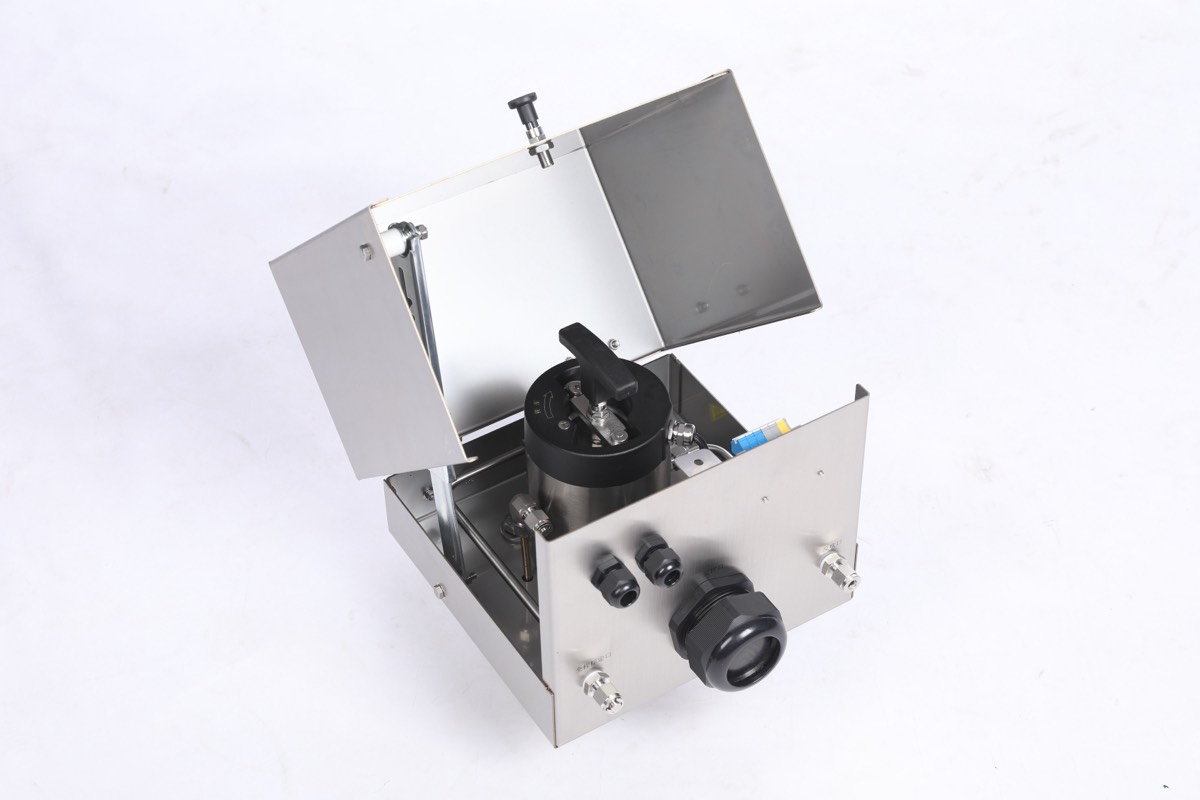
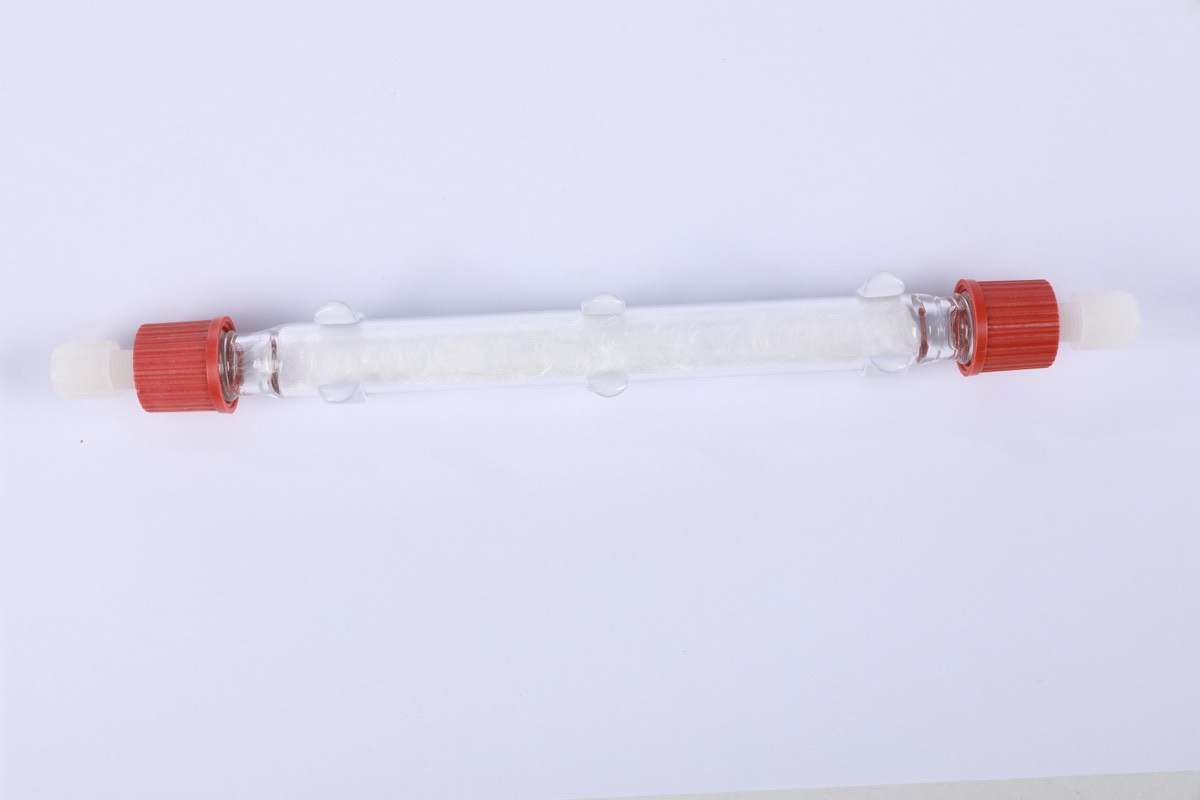
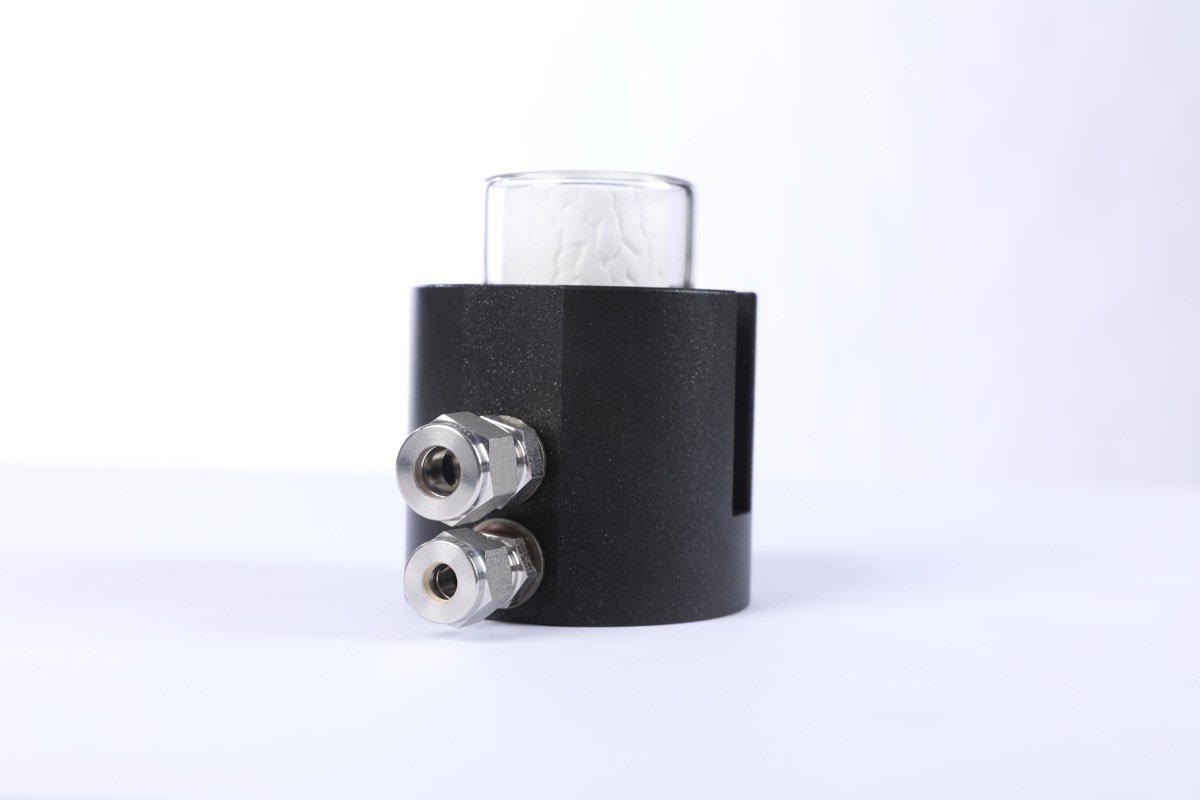
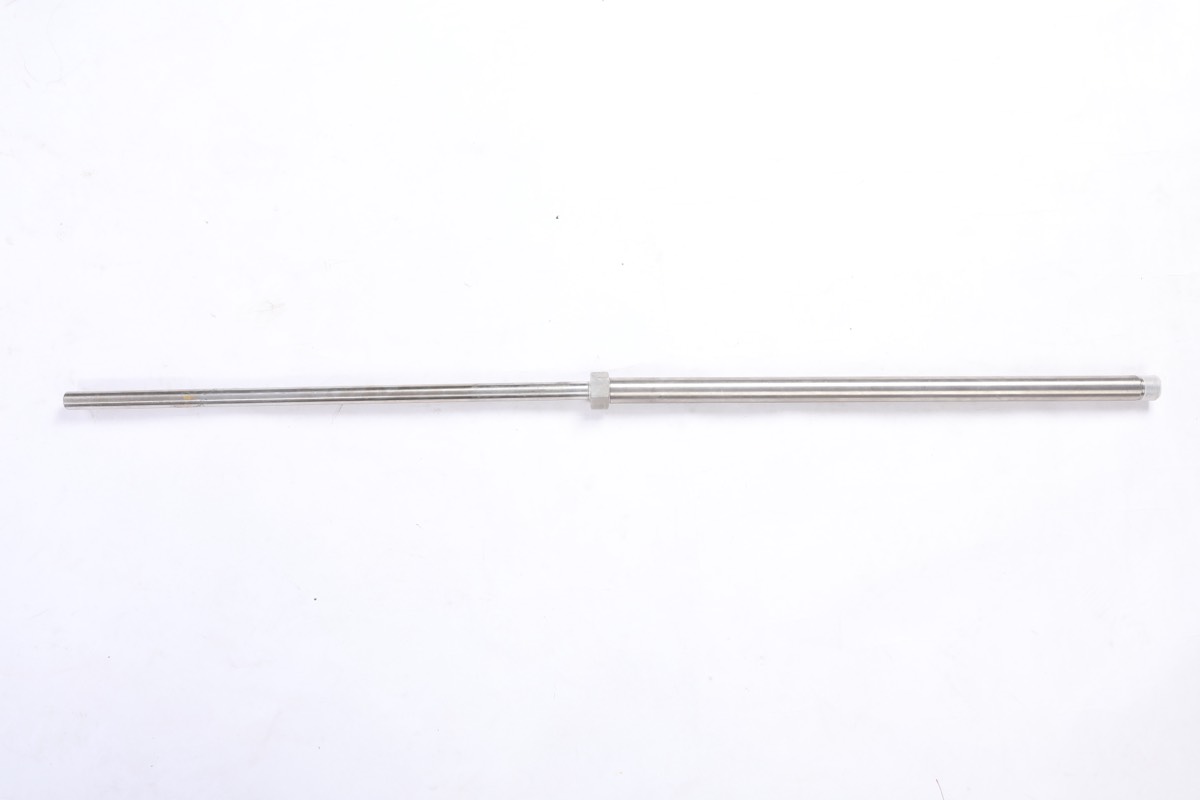
ZS-SCS-400 Probe & Filter Assembly
Modular sampling probe with integrated filtration for stack mounting
- Length
- 0.5 – 3.0 m
- Material
- SS316L / Inconel
- Filter
- 2-20 µm sintered
- Temp Rating
- Up to 800°C
Overview
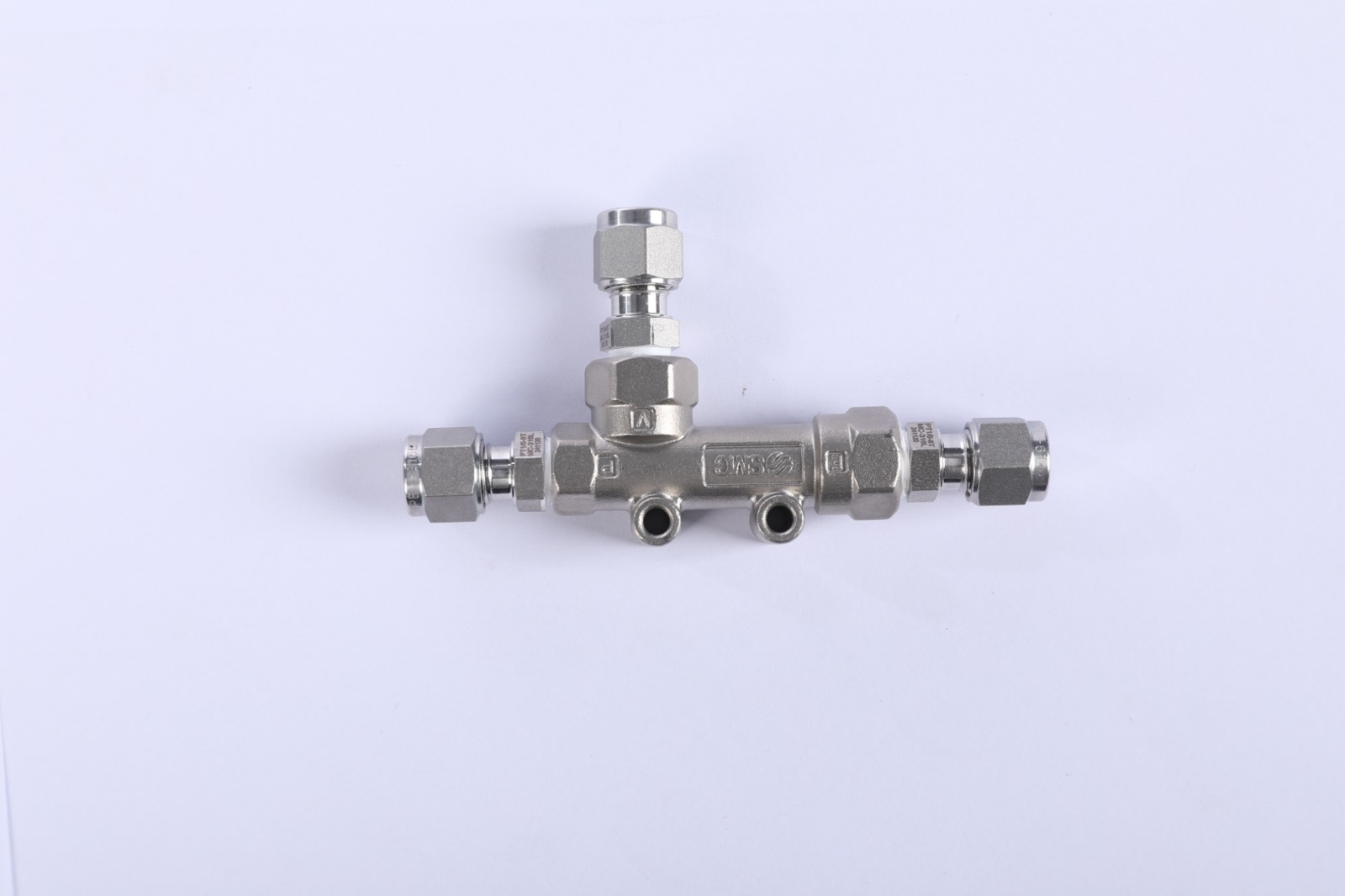
Modular stack-mount sampling probe with sintered filter element, available in standard and heated versions. Quick-connect fittings for easy installation and maintenance.
- Modular length: 0.5-3.0 meters
- Optional in-situ heating to 200°C
- Quick-connect for rapid changeout
- Inconel option for high-temperature
Full Technical Specifications
Key Performance
| Metric | Value | Status |
|---|---|---|
| Probe length | 0.5-3.0m | confirmed |
| Filter element | 2-20 µm sintered SS316L or ceramic | confirmed |
| Sample flow | 0.5-5L/min | confirmed |
| Stack temperature rating | Up to 800C with Inconel | confirmed |
| Dust loading | Up to 50g/m3 with blowback | confirmed |
Measurement
| Specification | Value |
|---|---|
| System Type | Extractive sampling probe |
| Probe Length | 0.5-3.0m (modular) |
| Filter Element | 2-20 µm sintered SS316L (or ceramic) |
| Sample Flow | 0.5-5 L/min |
| Blowback Port | 6mm compression fitting |
Physical
| Specification | Value |
|---|---|
| Dimensions (flange) | DN80 / 3" ANSI |
| Weight | 3.5-12kg (length-dependent) |
| Materials | SS316L standard / Inconel 625 / Hastelloy C-276 |
| Connection | Quick-connect bayonet (probe to heated line) |
Electrical
| Specification | Value |
|---|---|
| Heating (optional) | Up to 200°C with integrated thermocouple |
| Controller | External (connects to ZS-SCS-800) |
| Power | 230VAC 200W per meter heated length |
Environmental
| Specification | Value |
|---|---|
| Stack Temp | Up to 800°C (Inconel) |
| Stack Pressure | -100 to +500 mbar |
| Dust Loading | Up to 50 g/m³ (with blowback) |
| Gas Velocity | Up to 40 m/s |
Certifications
| Specification | Value |
|---|---|
| Materials | PED 2014/68/EU |
| Flange | EN 1092-1 / ASME B16.5 |
| Quality | ISO 9001:2015 |
Where This Analyzer Fits
This model is mapped to the following industry applications and process duties.
Deployment Environments
Common process environments where this model is evaluated.
Certification Scope
Standards are listed with scope and status so engineering review can verify the applicable materials, flange, and quality case.
| Standard | Scope | Status | Document |
|---|---|---|---|
| PED 2014/68/EU | Materials listing from source Certifications specifications | approved | On request |
| EN 1092-1 | Flange compatibility listed in source Certifications specifications | approved | On request |
| ASME B16.5 | Flange compatibility listed in source Certifications specifications | approved | On request |
| ISO 9001:2015 | Quality-system listing from source Certifications specifications | approved | On request |
Request Documentation
Request technical datasheets, user manuals, certificates, and application notes for this model.
Evidence Notes
High-dust high-temperature probe architecture
Cement-kiln sampling combines high stack temperature with heavy particulate loading. The architecture uses Inconel 625 construction, a ceramic filter option, and blowback planning so the extraction point can be matched to kiln dust and temperature conditions.
Probe and filter boundary
This SKU defines the stack-mounted extraction point. Heated-line control, analyzer conditioning, and cabinet-side sample handling remain downstream system selections rather than part of the probe body.
Technical & Engineering Details
Secondary engineering detail — expand each topic for the full operating envelope, maintenance and spares, and application evidence.
01 Operating Envelope
Use these limits as selection inputs, then confirm sample condition, ambient exposure, and materials before quotation.
Corrosive Agents
- Reducing atmospheres with high sulfur require Inconel 625
- Hastelloy C-276 option listed for corrosive duty
Wetted Materials
- Stack temperature above 800 C
- Stack pressure outside -100 to +500 mbar
- Dust loading above 50 g/m3 without separate probe and filter engineering review
- Condensing or reactive gas duty without heating or a downstream heated sampling system
02 Maintenance & Spares confirmed
Routine service tasks, consumables, and access requirements for this analyzer; exact intervals are site-specific.
- Select 2 µm filter elements for CEMS protection or 10-20 µm elements for high-dust service with planned blowback
- Inspect bayonet quick-connect seals and heated-line connection during filter service
- Set blowback interval from measured dust loading and observed filter differential behavior
- Review Inconel or Hastelloy material selection when temperature or corrosive chemistry changes
- Sintered SS316L filter elements
- Ceramic filter elements
- Quick-connect seal parts
03 Application Evidence
Reviewed application context for engineering selection.
Application Context
Cement-kiln exhaust at 750 °C with 30 g/m³ dust loading destroys standard SS316L sampling probes within weeks, so probe replacement becomes a recurring outage driver rather than a periodic maintenance item.
Architecture Response
ZS-SCS-400 with Inconel 625 construction and a 10 µm ceramic filter element supports multi-quarter service in the same conditions, so cement-kiln probe replacement aligns with planned outages instead of unplanned ones.
Frequently Asked Questions
When do I need an Inconel probe vs SS316L?
Inconel 625 is required for stack temperatures above 500°C or in reducing atmospheres with high sulfur. SS316L is adequate for most applications up to 400°C in oxidizing conditions.
What filter pore size should I select?
2 µm for CEMS applications (fine enough to protect analyzers, coarse enough to avoid rapid clogging). 10-20 µm for high-dust applications (cement, steel) where frequent blowback is planned.
How does the quick-connect system work?
The bayonet fitting allows probe removal and replacement without disconnecting the heated sample line. Twist 90° and pull — no tools required. This is critical for minimizing CEMS downtime during filter maintenance.
Can I add heating to an existing unheated probe?
Yes, the modular design accepts retrofit heating jackets. Contact application engineering for the heating upgrade kit specific to the probe length and flange configuration.
What is the recommended blowback interval?
Depends on dust loading: <5 g/m³ = every 4-8 hours, 5-20 g/m³ = every 1-2 hours, >20 g/m³ = every 15-30 minutes. The ZS-SCS-800 controller can automate blowback timing based on your conditions.
Related & Alternatives
Alternative Solutions

Related Measurement Technologies
Measuring more than just sampling? Explore complementary analytical categories.
 Multi
Multi
Multi-Gas Analyzers
Simultaneous multi-component gas analysis using multi-pass TDLAS, NDIR, and combined-sensor platforms for complex process streams, comprehensive CEMS, and research applications.
View Products SO₂ / NOₓ
SO₂/NOₓ Analyzers
UV-DOAS and chemiluminescence analyzers for sulfur dioxide and nitrogen oxide measurement, essential for CEMS compliance and flue gas desulfurization control.
View ProductsCompare ZS-SCS-400 with adjacent options
Review neighboring models by technology, range, accuracy basis, and form factor before moving to quotation.
When this model is preferred
Select ZS-SCS-400 when its measurement principle, range, and form factor match the process duty and certification scope.
When to consider an alternative technology
Consider another analyzer when the gas matrix, sample temperature, hazardous-area scope, or reporting requirement falls outside the stated envelope.
Review ZS-SCS-400 against site conditions
Send gas range, sample temperature, pressure, moisture, and certification needs before final model selection.


