
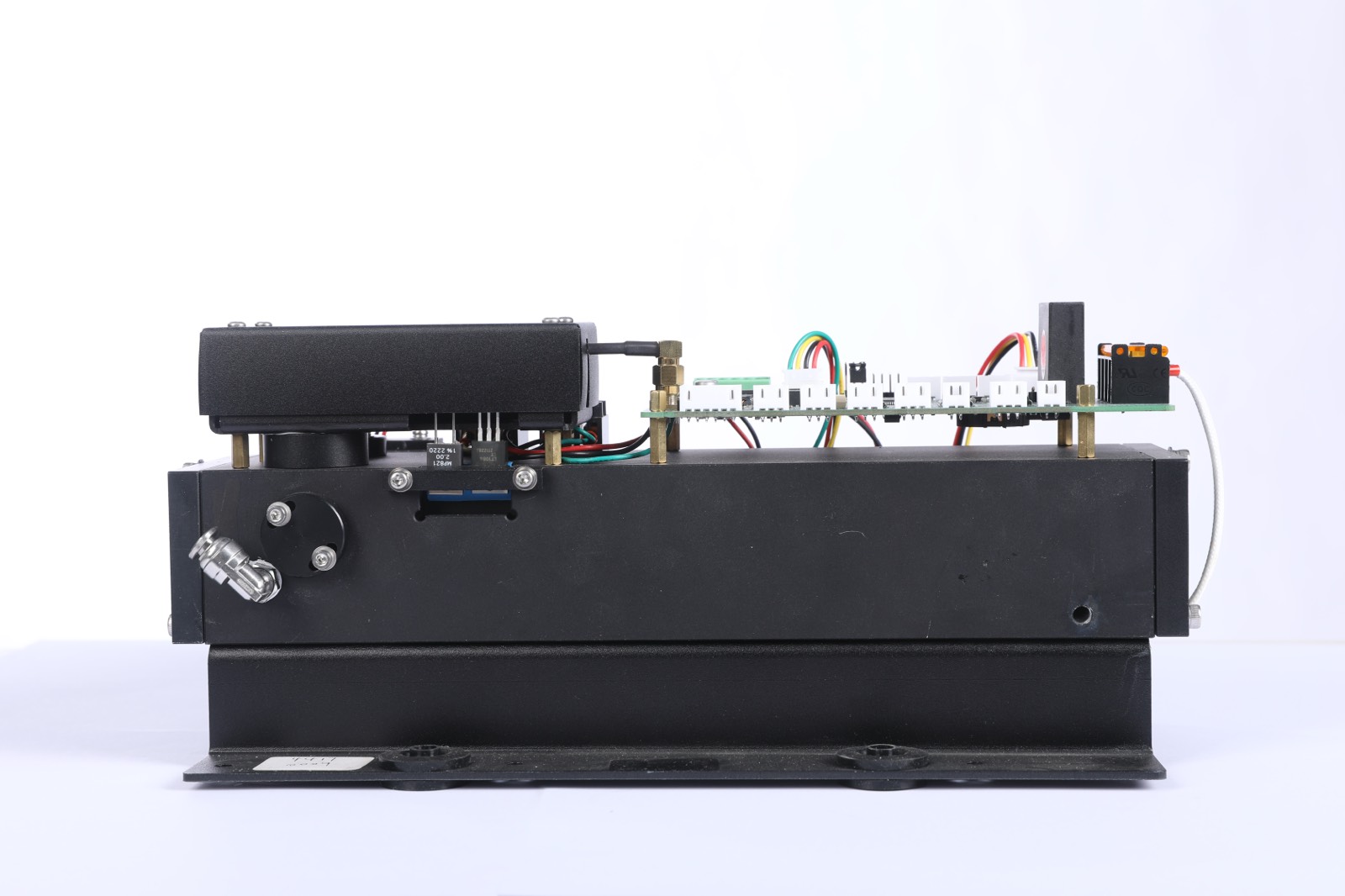
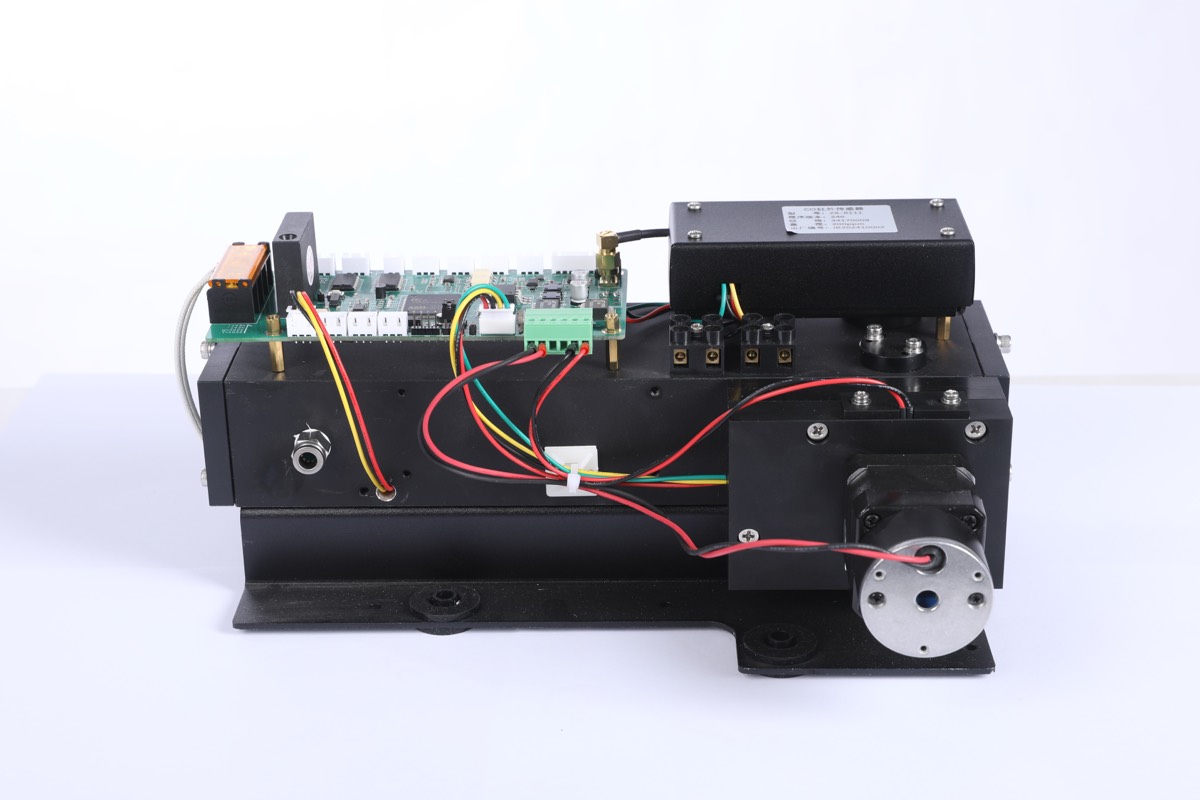
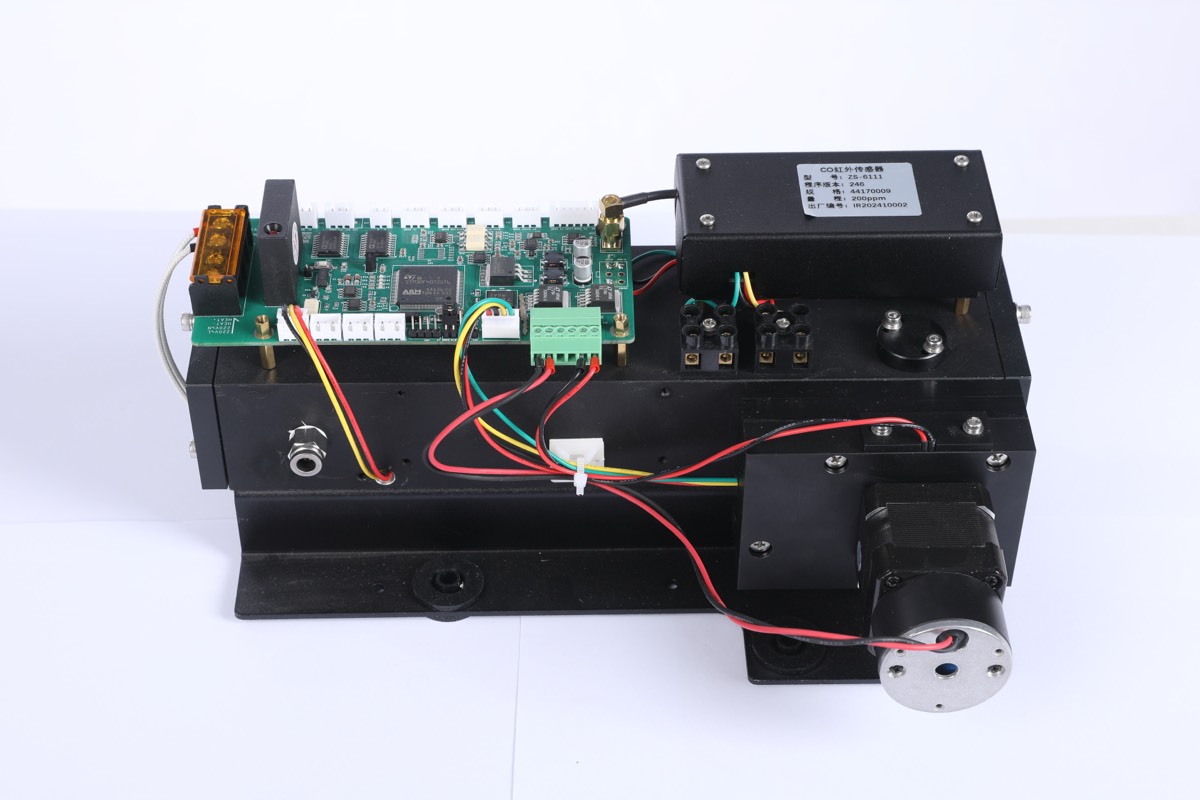
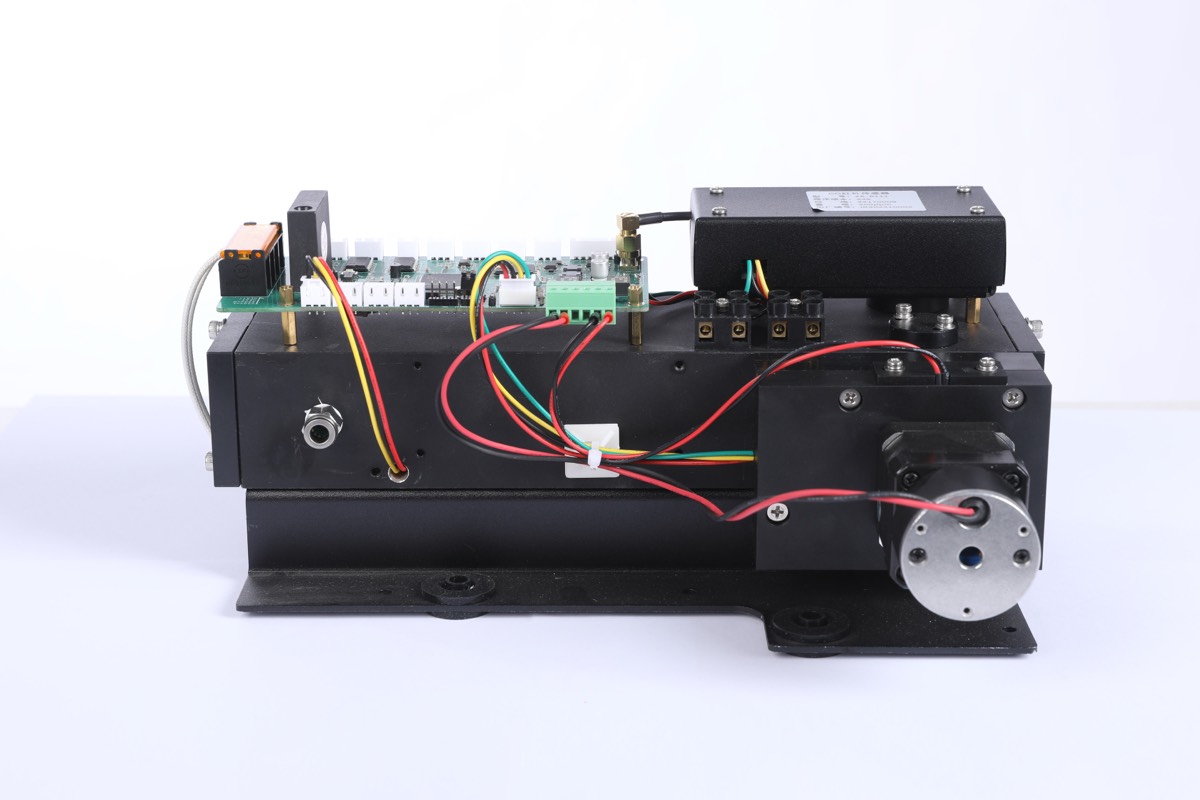
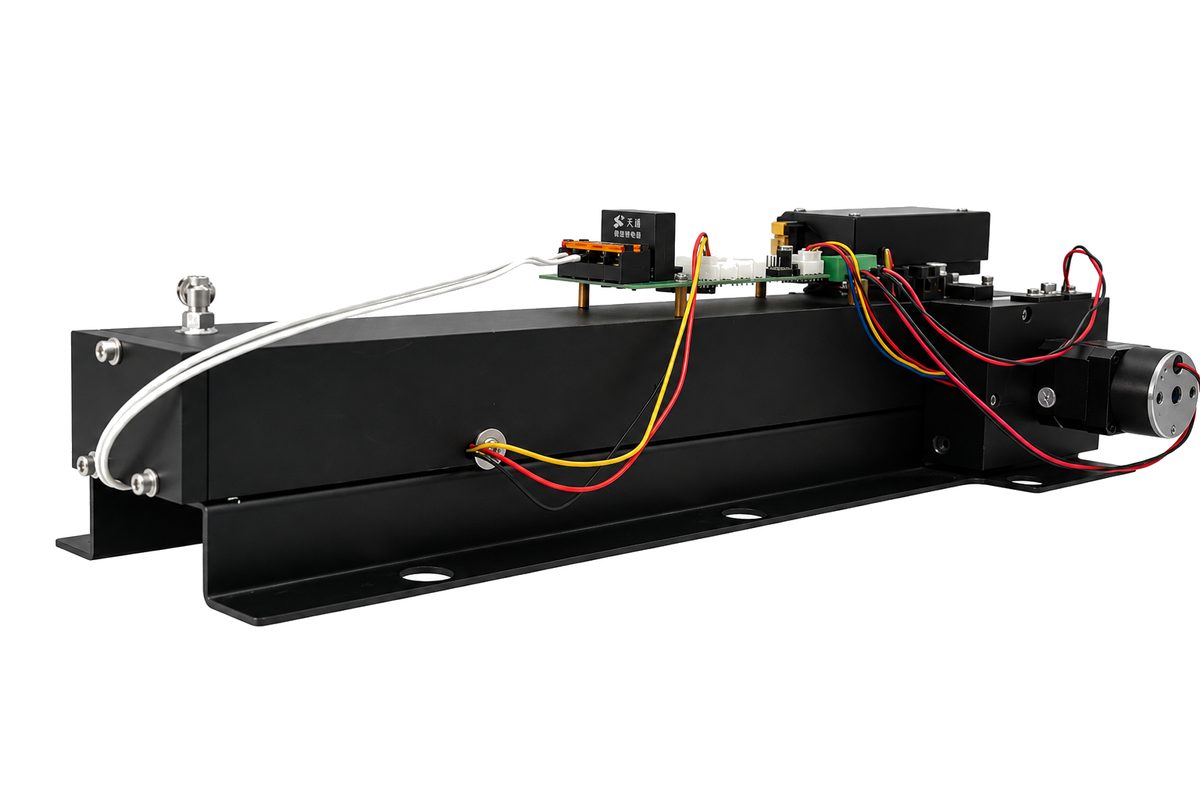
ZS6200-SO2 / ZS6100-NOx Process SO2/NOx Analyzer Package
Paired UV fluorescence SO₂ and chemiluminescence NOₓ channels for real-time process control
- SO₂ Channel
- UVF on ZS6200
- NOₓ Channel
- CLD on ZS6100
- SO₂ Range
- Configured per application
- NOₓ Range
- Configured per application
Overview
For applications that require SO2 and NOx together, GESHINE pairs the ZS6200 UV fluorescence SO2 channel with the ZS6100 chemiluminescence NO/NOx channel. This is a dual-platform configuration, not a single combined-detector product.
- SO₂: UVF on ZS6200 · NOₓ: CLD on ZS6100
- Fast response for process control
- Heated wetted parts to 200°C
- Integrated sample conditioning
Full Technical Specifications
Key Performance
| Channel | Platform & Principle | Status |
|---|---|---|
| SO₂ Channel | SO₂: UVF on ZS6200 | confirmed |
| NOₓ Channel | NOₓ: CLD on ZS6100 | confirmed |
SO₂ Channel — ZS6200
| Specification | Value |
|---|---|
| Platform | SO₂: UVF on ZS6200 |
| Measuring Principle | UV Fluorescence (UVF) |
| Range | Configured and confirmed at quotation |
| Accuracy | Configured and confirmed at quotation |
| Response Time (T90) | Configured and confirmed at quotation |
| Detection Limit | Configured and confirmed at quotation |
NOₓ Channel — ZS6100
| Specification | Value |
|---|---|
| Platform | NOₓ: CLD on ZS6100 |
| Measuring Principle | Chemiluminescence (CLD) |
| Range | Configured and confirmed at quotation |
| Accuracy | Configured and confirmed at quotation |
| Response Time (T90) | Configured and confirmed at quotation |
| Detection Limit | Configured and confirmed at quotation |
Physical
| Specification | Value |
|---|---|
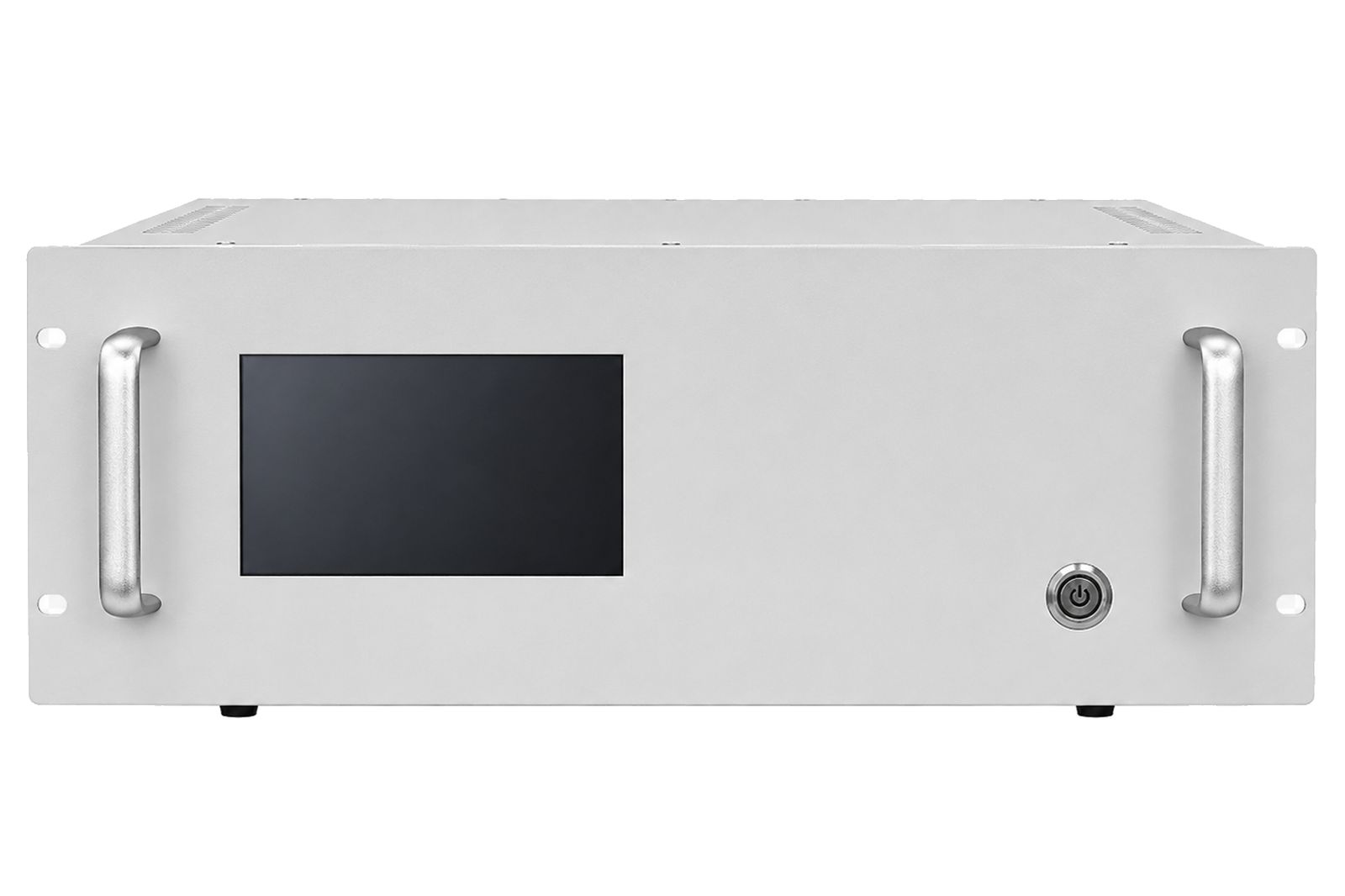
| Dimensions (W×H×D) | 483 × 177 × 420 mm (19″ rack) |
| Weight | 16.2 kg |
| Housing Material | Powder-coated aluminum, SS316L wetted parts |
| Mounting | 19″ rack (4U) / wall-mount |
Electrical
| Specification | Value |
|---|---|
| Power Supply | 100–240 VAC, 50/60 Hz, 95 W |
| Analog Output | 2 × 4–20 mA |
| Digital Output | Modbus RTU/TCP, HART 7 |
| Relay Outputs | 4 × SPDT |
| Display | 5″ color TFT touchscreen |
Environmental
| Specification | Value |
|---|---|
| Operating Temperature | -20 °C to +50 °C |
| Sample Temperature | Up to 200 °C (heated wetted parts) |
| Sample Pressure | -50 to +500 mbar |
| Humidity | 0–95 % RH |
Certifications
| Specification | Value |
|---|---|
| EMC | EN 61326-1 |
| Safety | EN 61010-1 |
| Quality | ISO 9001:2015 |
Where This Analyzer Fits
This model is mapped to the following industry applications and process duties.
Deployment Environments
Common process environments where this model is evaluated.
Certification Scope
Standards are listed with scope and status so engineering review can verify the applicable enclosure, area, and safety case.
| Standard | Scope | Variant | Status | Document |
|---|---|---|---|---|
| CE | Process SO₂/NOₓ analyzer | Project variant | approved | On request |
| UKCA | Approval listed in existing certification detail | Project variant | approved | On request |
| EN 61010-1 / EN 61326-1 | Safety and EMC standards listed in specifications and certification detail | Project variant | approved | On request |
| ISO 9001:2015 | Quality standard listed in specifications and certification detail | Project variant | approved | On request |
Request Documentation
Request technical datasheets, user manuals, certificates, and application notes for this model.
Evidence Notes
Heated-wetted-parts SO₂/NOₓ analyzer for tail-gas process control
Application note based on the existing sulfur-recovery scenario: fast-response UV and CLD measurement with heated wetted parts supports air-injection control review at the tail-gas incinerator outlet. Control-loop behavior depends on sample transport, DCS tuning, and local emission program requirements.
Technical & Engineering Details
Secondary engineering detail — expand each topic for the full measurement, envelope, sample-system, calibration, integration, maintenance and application evidence.
01 Measurement Principle and Limits
How the measurement is bounded
This is a dual-platform package: the ZS6200 platform measures SO₂ by UV fluorescence (UVF) using pulsed UV excitation, while the ZS6100 platform measures NOₓ by chemiluminescence (CLD) for process-control feedback. SO₂: UVF on ZS6200. NOₓ: CLD on ZS6100.
Requires
- Heated wetted parts when condensation risk is present
- Integrated sample conditioning or a compatible sampling system for high-moisture duty
- Configured analog or digital output mapping for DCS control loops
Interferents and Limits
- H₂O vapor when the sample is not kept above condensation conditions
- CO₂ continuum/background absorption where UV optical compensation is site-configured
- Particulate matter that reaches the optical path without filtration
- Very high moisture service without ZS-SCS-800 or equivalent heated sampling review
- Sample pressure outside the stated specifications range
02 Operating Envelope
Use these limits as selection inputs, then confirm sample condition, ambient exposure, and materials before quotation.
- Very high moisture sample without heated sampling system review
- Sample pressure outside stated process inlet range
03 Sample System Boundary
Sampling mode, conditioning components, and exclusions define where the analyzer responsibility ends and the sample system begins.
- heated wetted parts to 200°C
- integrated sample conditioning
- 19-inch rack or wall-mount analyzer
- Very high moisture service should be reviewed against the ZS-SCS-800 heated sampling path stated in FAQ
04 Calibration & Validation
Calibration method, interval, traceability, and audit support for this analyzer. Confirm zero/span method, interval, and traceable span gas during project review for this model.
05 I/O & Integration
Signal outputs and communication interfaces for control-system integration.
Analog Output
2 × 4–20 mA
Digital Output
Modbus RTU/TCP, HART 7
Relay Outputs
4 × SPDT
DAHS Review Note
Confirm protocol map, channel naming, alarm states, and reporting format during project integration review.
06 Maintenance & Spares site-specific
Routine service tasks, consumables, and access requirements for this analyzer; exact intervals are site-specific.
- Sample conditioning path inspection for moisture and particulate load
- Heated wetted-parts condition review for high-moisture samples
- Optical path and filter inspection per site dust load
- Sample filters
- Reference gas when site span checks are performed
07 Application Evidence
Application context from complex industrial environments.
Application Context
Sulfur recovery units need <5 s SO₂ response at the Claus tail-gas incinerator outlet to enable real-time air-injection control, but standard analyzers introduce sampling delays that prevent closed-loop tuning.
Architecture Response
The ZS6200 UVF SO₂ channel paired with the ZS6100 CLD NOx channel, configured with heated wetted parts, supports fast process-control feedback so the DCS can adjust air injection and support tighter tail-gas SO₂ control aligned with regional emission limits. Response time is confirmed for the selected application at quotation.
Frequently Asked Questions
Why is fast response time important for process control?
In FGD and SCR control loops, sub-5-second response allows the DCS to adjust reagent dosing before process excursions reach the stack. Slower analyzers cause oscillation and reagent waste.
Can it handle high-moisture samples?
Yes, the heated wetted parts (200°C) reduce condensation risk. For very high moisture (>40% H₂O), pair with the ZS-SCS-800 heated sampling system.
What are the detection principles for SO₂ and NOₓ?
This is a dual-platform package. SO₂ is measured by UV fluorescence (UVF) on the ZS6200 platform: pulsed UV light excites SO₂ molecules, which emit fluorescent light proportional to concentration. NOₓ is measured by chemiluminescence (CLD) on the ZS6100 platform. Each channel manages matrix effects through optical filtering and calibration.
What outputs does it support?
2×4-20mA isolated analog, Modbus RTU/TCP, and HART 7. Optional OPC-UA gateway available for Industry 4.0 integration.
Is it suitable for Claus tail gas applications?
Yes, specifically designed for SRU monitoring with heated wetted parts and materials resistant to sulfur compounds (SS316L/Hastelloy optional).
Related & Alternatives
Alternative Solutions
 ZS-CEMS-200
ZS-CEMS-200 CEMS SO₂/NOₓ Analyzer
UV-DOAS emission analyzer for continuous SO₂ and NOₓ compliance
CEMS System View Specs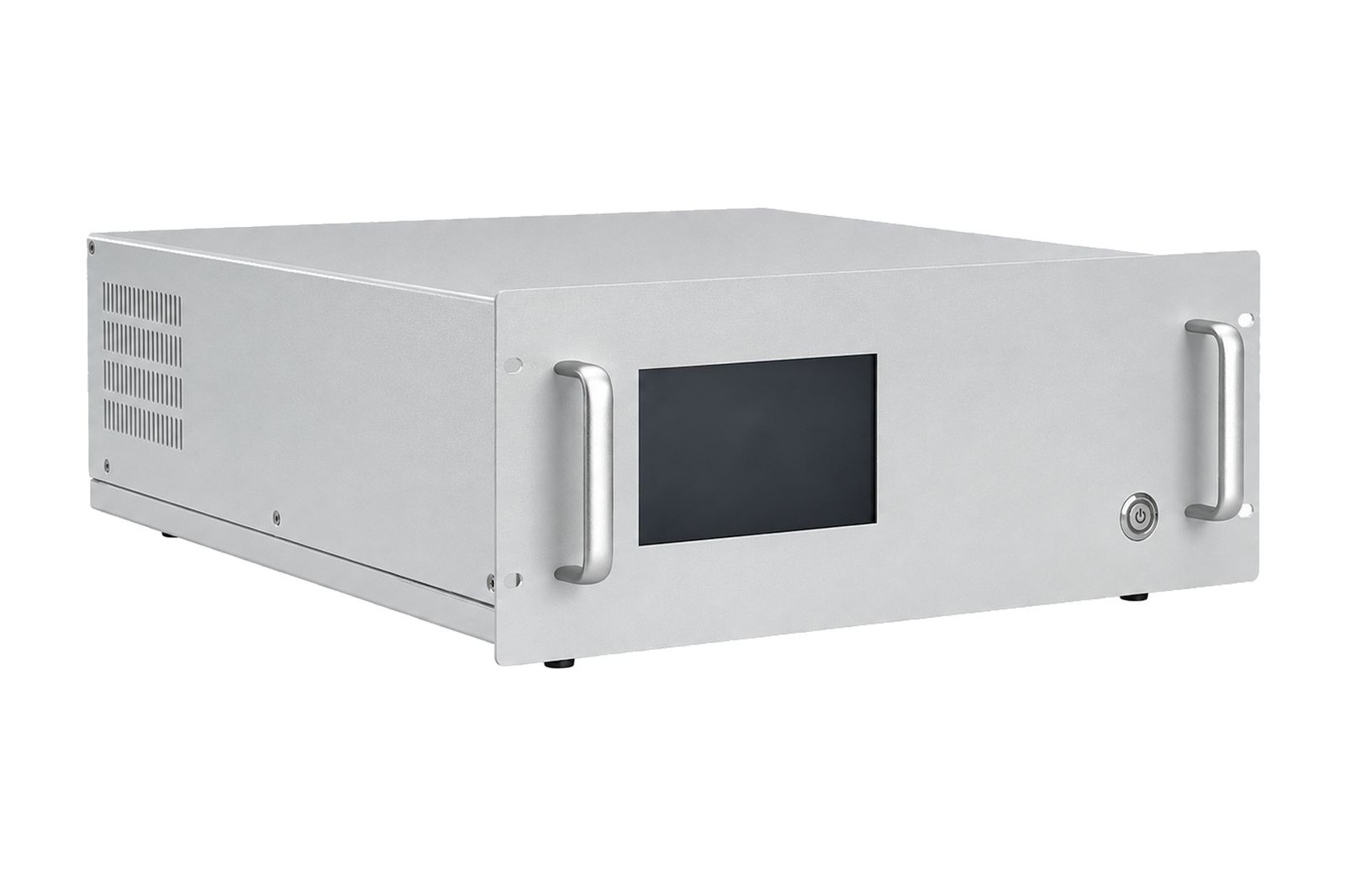 ZS-CEMS-300
ZS-CEMS-300 Multi-Component CEMS Analyzer
Multi-component emission platform when SO₂/NOₓ monitoring extends to additional flue-gas species
CEMS System View SpecsRelated Measurement Technologies
Measuring more than just so₂/noₓ? Explore complementary analytical categories.

Compare the ZS6200-SO2 / ZS6100-NOx package with adjacent options
Review neighboring models by technology, range, accuracy basis, and form factor before moving to quotation.
When this model is preferred
Select the ZS6200-SO2 / ZS6100-NOx dual-platform package when its UVF + CLD measurement principles, configured ranges, and form factor match the process duty and certification scope.
When to consider an alternative technology
Consider another analyzer when the gas matrix, sample temperature, hazardous-area scope, or reporting requirement falls outside the stated envelope.
Review the ZS6200-SO2 / ZS6100-NOx package against site conditions
Send gas range, sample temperature, pressure, moisture, and certification needs before final model selection.


