
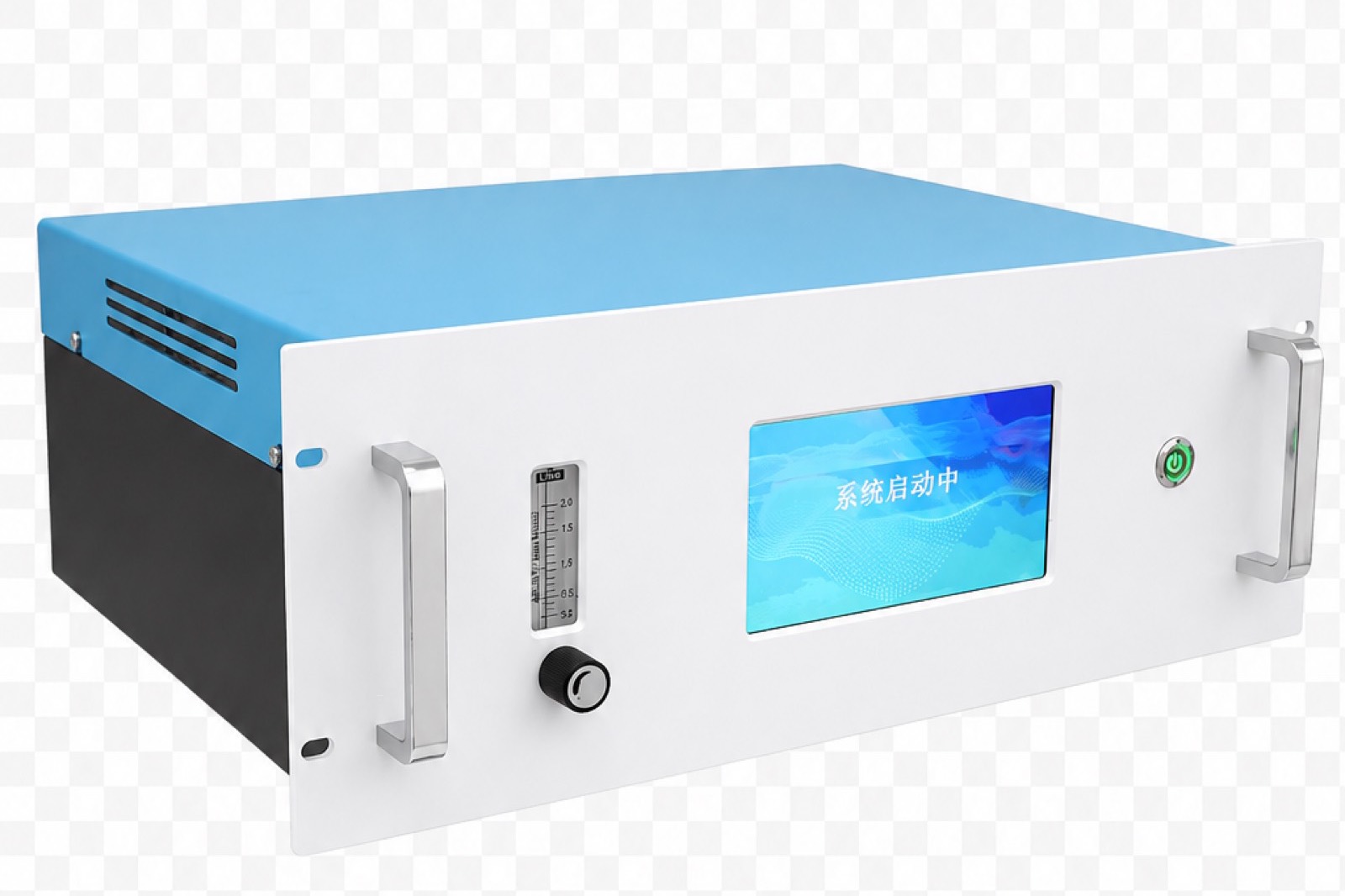
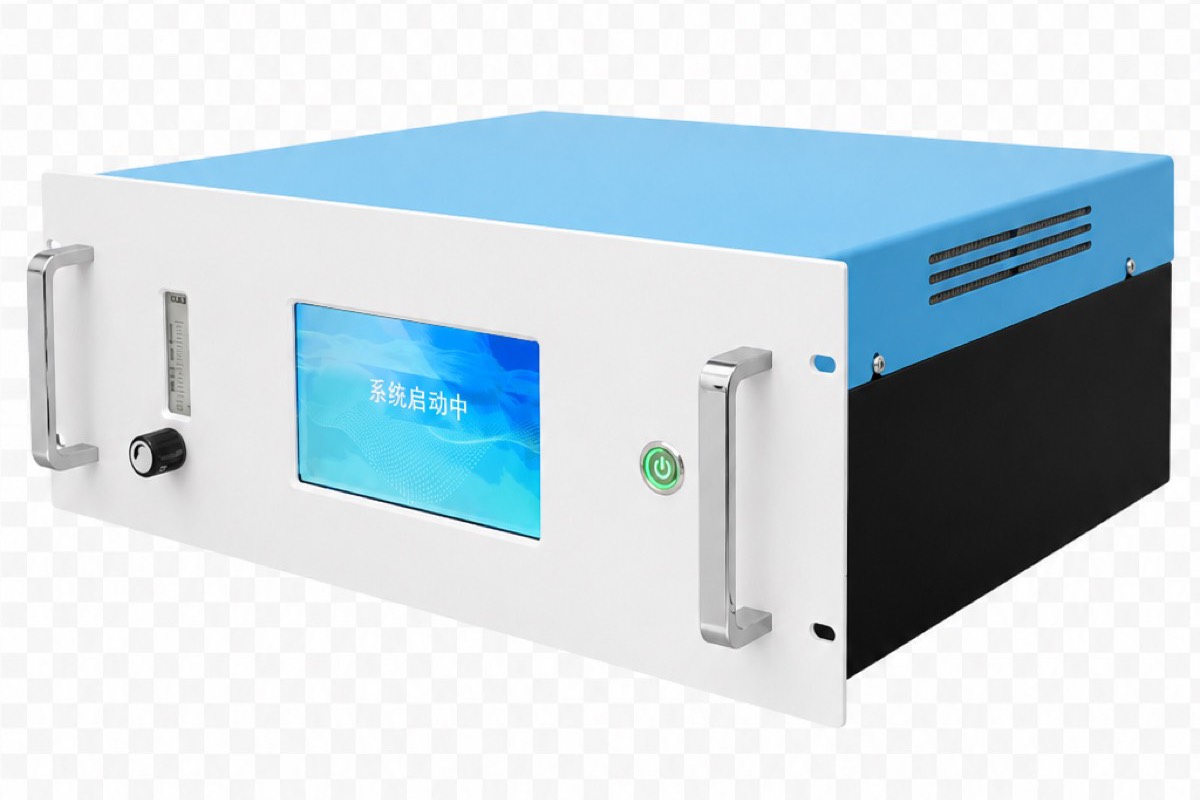
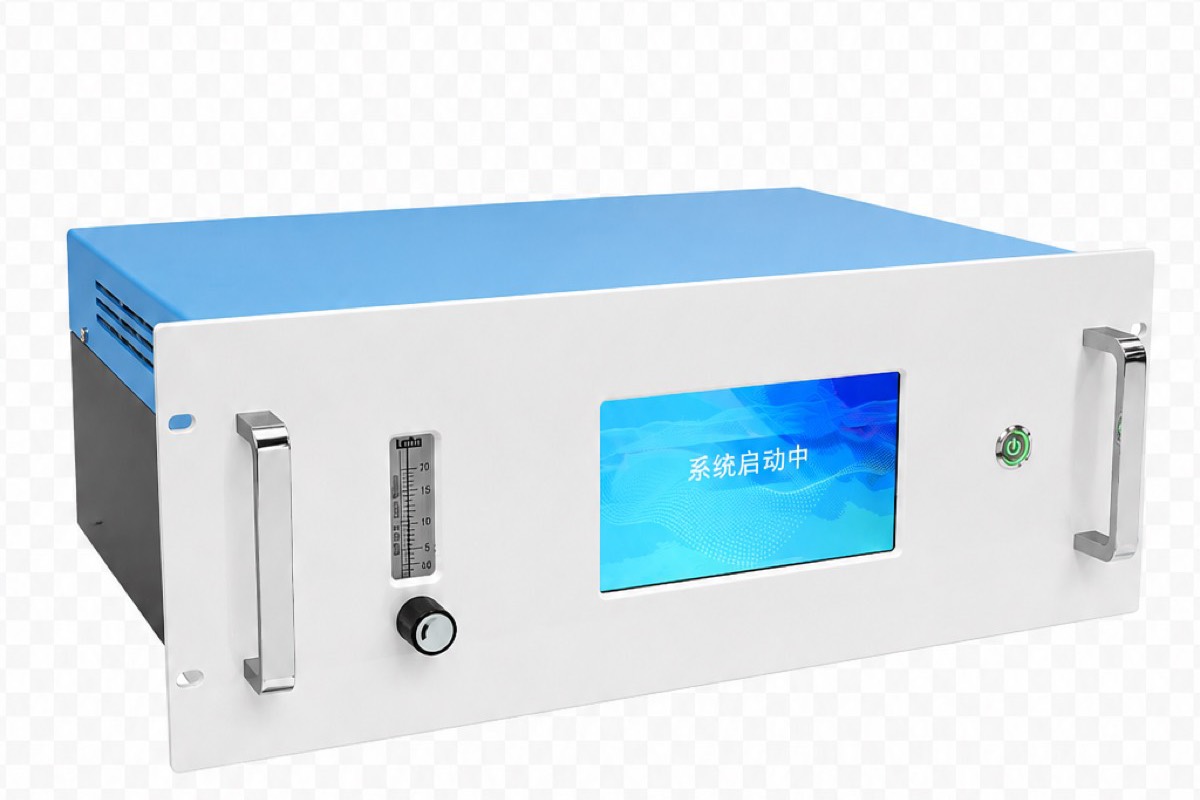
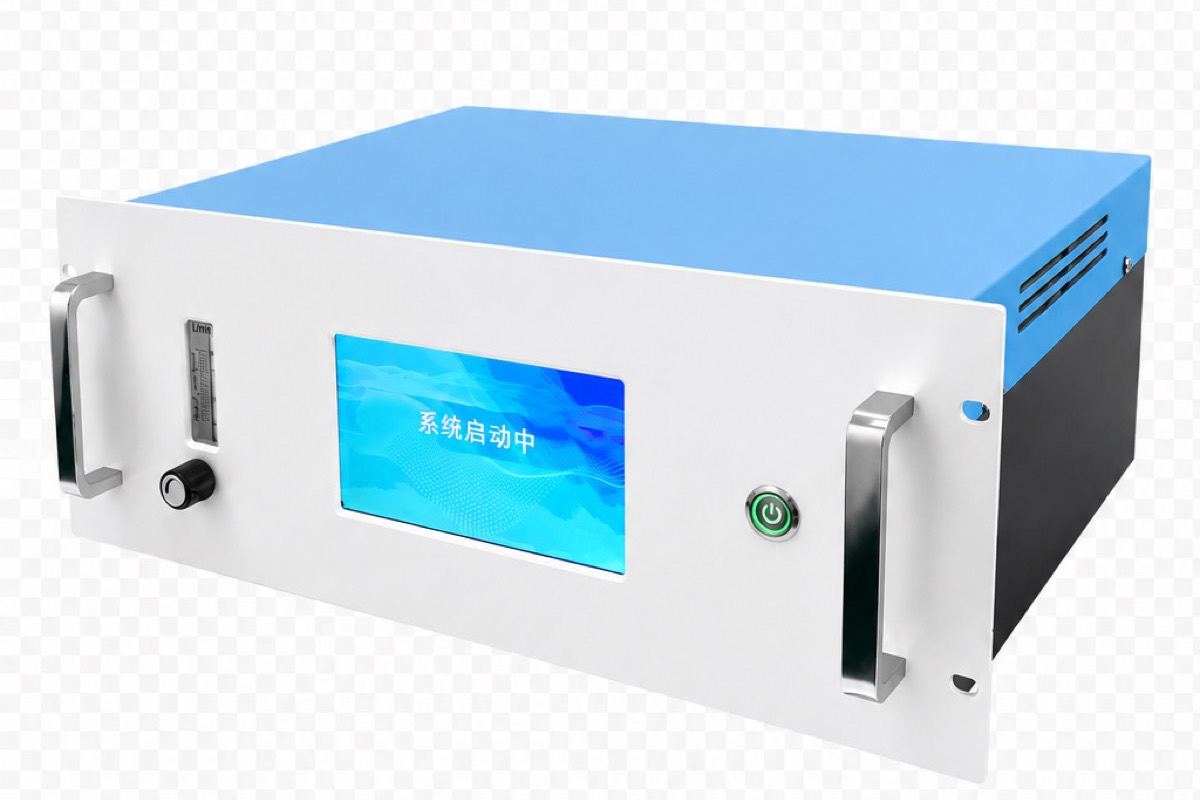

ZS6300-H2 Process Hydrogen Analyzer
TCD thermal conductivity hydrogen analyzer for bulk %vol process purity — ammonia / methanol reformers, air separation product headers, chlor-alkali cell gas, and turbine-generator cooling
- Range
- 0–10 / 0–25 / 0–100 %vol
- Accuracy
- ±1 % FS (bulk %vol)
- Response (T90)
- <10 s
- Detection Limit
- ≈100 ppm H₂
Overview
The ZS6300-H2 is an in-line TCD (thermal conductivity detector) hydrogen analyzer for bulk %vol process-purity service where high-dynamic-range continuous H₂ readings matter more than sub-ppm trace detection. Target duty covers ammonia and methanol reformer synthesis gas, air separation product-header purity, chlor-alkali cell gas (H₂ content in the Cl₂ stream), and hydrogen-cooled turbine-generator purity maintenance in power stations. A matched pair of thin-film thermal-conductivity sensors in a Wheatstone bridge compares sample and reference cells; because H₂ has ~7× the thermal conductivity of air, the bridge imbalance gives a clean %vol signal under pressure- and flow-compensated sample flow. This SKU is scoped around Process duty and is intentionally kept separate from the Safety path (fixed and portable catalytic-bead / EC %LEL detectors) that covers ppm / %LEL hydrogen leak alarm and fire-code compliance. Fuel-cell-grade ppm-level H₂ purity audits against ISO 14687-2 are not claimed on this SKU and remain a Conditional engineering-review path that requires lab-grade EC or GC hardware.
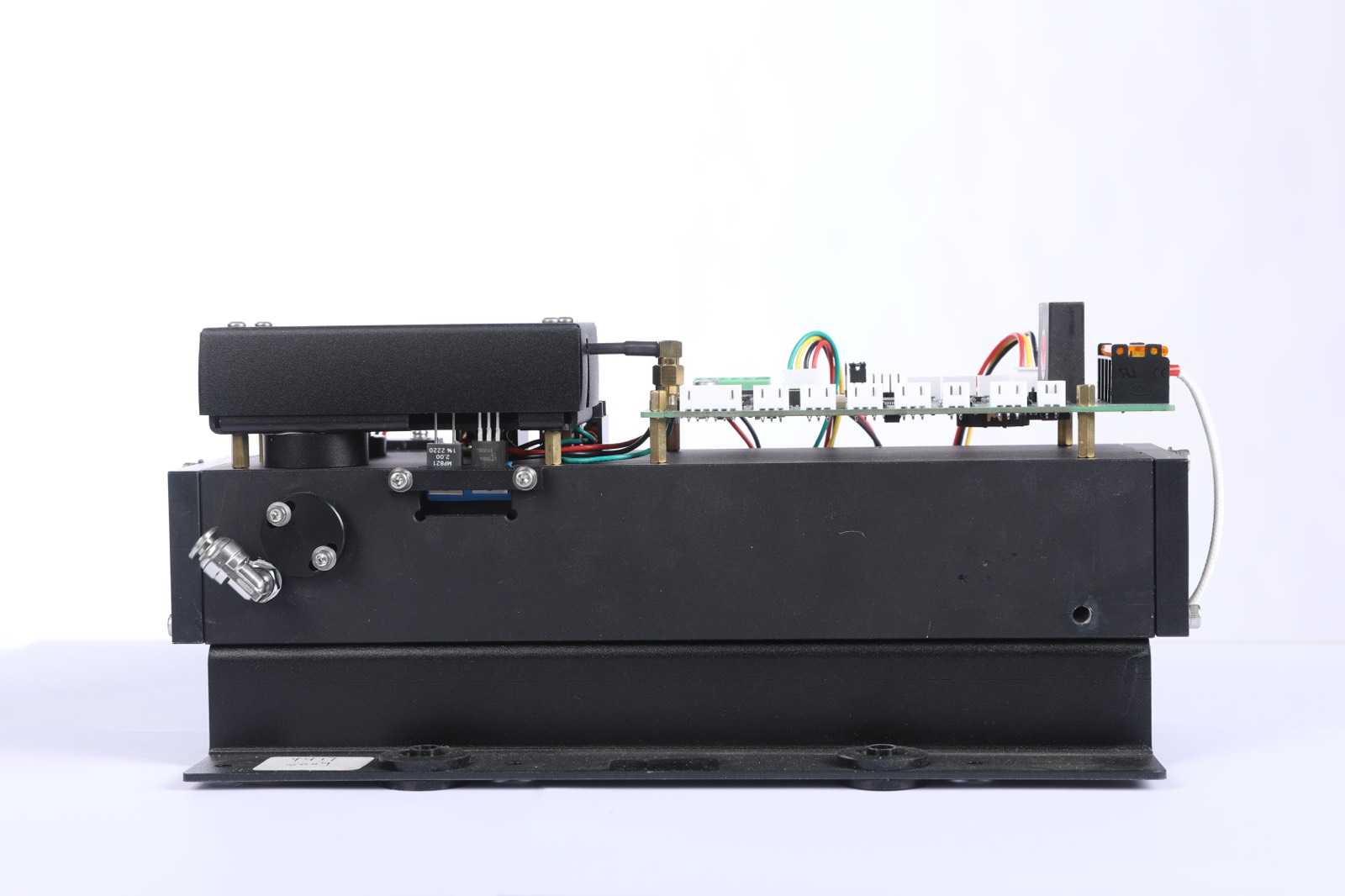
- TCD Wheatstone bridge with matched sample / reference cells — reagent-free sample cell with filters and span gas still required
- H₂ thermal conductivity ≈ 7× air → clean bulk %vol signal under compensated flow
- Multi-range firmware spans 0–10 %vol (reformer syngas) through 0–100 %vol (ASU product / generator cooling)
- Process-path SKU — separate from %LEL catalytic-bead Safety detectors (different workflow / sensor)
Full Technical Specifications
Key Performance
| Metric | Value | Status |
|---|---|---|
| Range | 0–10 / 0–25 / 0–100%vol H₂ (multi-range) | conditional* |
| Accuracy | ±1 % FS(bulk %vol) | conditional* |
| Response (T90) | <10 s | conditional* |
| Detection Limit | ≈100ppm H₂ (TCD floor — not a ppm-trace instrument) | conditional* |
* Industry-typical TCD H₂ process values — shown as target scope; confirmed values are issued with the final datasheet at quotation.
Measurement
| Specification | Value |
|---|---|
| Measuring Principle | TCD (Thermal Conductivity Detector) — Wheatstone-bridge thin-film sensor pair |
| Physical Basis | H₂ thermal conductivity ≈ 7× air → bridge imbalance → %vol signal |
| Reference Cell | Sealed dry-air or N₂ reference (factory configured to target matrix) |
| Measurement Range | 0–10 %vol / 0–25 %vol / 0–100 %vol H₂ (multi-range) |
| Lower Detection Limit | ≈100 ppm H₂ (TCD floor — bulk %vol instrument, not ppm-trace) |
| Accuracy | ±1 % FS (bulk %vol) |
| Repeatability | ≤0.5 % FS |
| Response Time (T90) | <10 s |
| Known Matrix Limitations | He and other high-thermal-conductivity gases interfere; matrix must be confirmed at order (not suited to H₂ / He streams) |
Sample System
| Specification | Value |
|---|---|
| Sampling Mode | Extractive — clean, dry sample with pressure- and flow-compensated loop |
| Sample Temperature | Ambient to +50 °C (condenser / dryer upstream) |
| Sample Pressure | Regulated 20–200 mbar g (compensation range; project-dependent) |
| Sample Flow | 0.5–1.5 L/min (regulated) |
| Recommended Conditioning | ZS-SCS-600 cool-dry system (project-dependent); particulate filter + moisture knock-out required upstream |
| Separate Safety Path | Hydrogen leak-alarm / %LEL duty handled by catalytic-bead Safety detectors (different workflow) |
Environmental
| Specification | Value |
|---|---|
| Operating Temperature | -10 °C to +50 °C |
| Storage Temperature | -40 °C to +70 °C |
| Humidity | 0–95 % RH (non-condensing) |
| Ingress Protection | IP65 (standard) / IP66 (field enclosure) |
Electrical
| Specification | Value |
|---|---|
| Power Supply | 100–240 VAC, 50/60 Hz, 60 W max |
| Analog Output | 2 × 4–20 mA (isolated, configurable) |
| Digital Output | RS-485 Modbus RTU / HART 7 (optional) |
| Relay Outputs | 4 × SPDT (alarm, fault, maintenance, range) |
| Display | 5″ color TFT with local touchscreen HMI |
Physical
| Specification | Value |
|---|---|
| Dimensions (W×H×D) | 483 × 177 × 420 mm (19″ rack) / field enclosure optional |
| Weight | ≈13 kg (rack) / ≈30 kg (field enclosure) |
| Housing Material | Powder-coated aluminum enclosure; SS316L wetted parts on sample path |
| Mounting | 19″ rack (4U) / wall-mount / field enclosure |
Certifications
| Specification | Value |
|---|---|
| CE Marking | EU equipment directive compliance (standard) |
| Hazardous Area | ATEX / IECEx — Conditional scope (application-dependent; confirmed per project) |
| Fuel-Cell-Grade ISO 14687-2 | Not claimed on this SKU — Conditional engineering-review path requiring lab-grade EC / GC hardware |
| EMC | EN 61326-1 |
| Quality System | ISO 9001:2015 manufactured |
| Application Standards | ASTM D1945 / GPA 2286 (gas-composition context); plant-specific H₂ purity specs for ASU / chlor-alkali / generator-cooling service |
Where This Analyzer Fits
This model is mapped to the following industry applications and process duties.
Deployment Environments
Common process environments where this model is evaluated.
Certification Scope
Standards are listed with scope and status so engineering review can verify the applicable wetted-material, regulatory method, and hazardous-area case. Performance and CEMS approvals are shown as target scope — current certification status for your configuration is confirmed at quotation; hazardous-area scope is tracked as a Conditional engineering-review path, not a default catalogue claim.
| Standard | Scope | Variant | Status | Document |
|---|---|---|---|---|
| CE (EU declaration of conformity) | EU equipment directive compliance (standard) | Project variant | approved | On request |
| ATEX / IECEx hazardous area | Application-dependent hazardous-area scope confirmed per project | Project variant | conditional | On request |
| ISO 14687-2 fuel-cell grade | Explicitly not claimed on this process TCD SKU — Conditional engineering-review path requiring lab-grade EC / GC hardware | Conditional path | not claimed | On request |
| ASTM D1945 / GPA 2286 context | Gas-composition context only; project H₂ purity spec confirmed per order | Project variant | conditional | On request |
| ISO 9001:2015 | Quality management system — manufactured under ISO 9001:2015 | Project variant | approved | On request |
Request Documentation
Request technical datasheets, user manuals, certificates, and application notes for this model.
Evidence Notes
Process %vol H₂ purity architecture
For reformer, ASU, chlor-alkali, and generator-cooling loops, the process path uses conditioned sample flow, a TCD bridge, and matrix calibration to report bulk %vol H₂ to the DCS. Area safety and %LEL alarm duties stay with combustible-gas detectors.
Technical & Engineering Details
Secondary engineering detail — expand each topic for the full measurement, envelope, sample-system, calibration, integration, maintenance and application evidence.
01 Measurement Principle and Limits
How the measurement is bounded
TCD compares sample and reference cells in a Wheatstone bridge, converting the thermal-conductivity difference of bulk %vol H₂ into a process-purity signal.
Rejects
- ppm-trace hydrogen impurity auditing
- %LEL safety alarm duty
- Fuel-cell-grade ISO 14687-2 trace-impurity certification
Requires
- Clean, dry, pressure-regulated sample
- Reference gas configured to the declared matrix
- Matrix confirmation at order
- ZS-SCS-600 or equivalent conditioning for wet or corrosive streams
Interferents and Limits
- He and other high-thermal-conductivity gases
- CO₂ and heavy background gases that shift the reference matrix
- Wet Cl₂ or moisture entering the sample cell
02 Operating Envelope
Use these limits as selection inputs, then confirm sample condition, ambient exposure, and materials before quotation.
- Condensing sample
- Unconditioned wet Cl₂ stream
- %LEL area monitoring
- Fuel-cell-grade ISO 14687-2 trace audit
03 Sample System Boundary
Sampling mode, conditioning components, and exclusions define where the analyzer responsibility ends and the sample system begins.
- Pressure regulator
- Flow compensation loop
- Particulate filter
- Moisture knock-out
- Optional field enclosure
- Portable confined-space use
- Open-path leak detection
- Unconditioned wet or corrosive gas
04 Calibration & Validation
Calibration method, interval, traceability, and audit support for this analyzer.
Zero / Span Method
Matrix calibration against declared process gas composition and factory-configured reference cell
Interval
Site-specific
Linearity Check
Multi-range verification across selected %vol H₂ span
Span Gas Traceability
Project-specific H₂ reference gas
Audit Support
- Plant-specific H₂ purity specs for ASU, chlor-alkali, generator cooling, and reformer service
05 I/O & Integration
Signal outputs and communication interfaces for control-system integration.
Output
4–20 mA / RS-485 Modbus / HART
Analog Output
2 × 4–20 mA (isolated, configurable)
Digital Output
RS-485 Modbus RTU / HART 7 (optional)
Relay Outputs
4 × SPDT (alarm, fault, maintenance, range)
DAHS Review Note
Confirm protocol map, channel naming, alarm states, and reporting format during project integration review.
06 Maintenance & Spares site-specific
Routine service tasks, consumables, and access requirements for this analyzer; exact intervals are site-specific.
- Replace particulate filter
- Drain or service moisture knock-out
- Verify sample flow and pressure compensation
- Check reference-cell calibration against declared matrix
- Particulate filters
- Moisture-removal consumables
- Project-specific span gas
07 Application Evidence
Application context from complex industrial environments.
Application Context
Membrane-cell chlor-alkali plants need continuous H₂ %vol readings on the cathode cell-gas header to detect membrane crossover early, but lab-bench gas chromatography typically runs on a multi-hour cycle that gives crossover hours to escalate before detection.
Architecture Response
Two ZS6300-H2 TCD analyzers on the cathode cell-gas headers — paired with ZS-SCS-600 cool-dry conditioning — deliver continuous 1-second H₂ readings, so membrane crossover is visible on the operator console hours earlier than the lab-bench GC path supports.
Frequently Asked Questions
Why does the ZS6300-H2 specify a ~100 ppm lower detection floor instead of sub-ppm?
TCD reads the Wheatstone-bridge imbalance created when H2 replaces the reference matrix in the sample cell. H2 has roughly 7× the thermal conductivity of air, so the signal is strong and linear from a few percent up to 100 %vol — the bulk-purity window this SKU is sized for. At the low end, thin-film element drift, self-heating stability and reference-cell matching set a practical noise floor around 100 ppm; forcing a TCD below that erodes repeatability rather than revealing real signal. Trace ppm / ppb duty therefore belongs to physically trace-capable hardware — EC, pulsed-discharge helium-ionisation, or GC with a dedicated TCD channel — and stays outside the scope of this SKU.
How does the ZS6300-H2 handle Cl2 / O2 / N2 background in chlor-alkali cell-gas service?
Cathode cell-gas is mostly H2 with residual O2, N2 and traces of Cl2 crossing through the membrane. TCD is a physical-property measurement that does not discriminate by chemistry, so any gas whose thermal conductivity differs from the reference matrix biases the bridge — O2 and N2 are close enough to the dry-air reference to be absorbed into the matrix calibration, while Cl2 (roughly one-third the thermal conductivity of air) must be held within the engineered matrix window confirmed at order. Upstream conditioning (ZS-SCS-600 cool-dry plus a dedicated Cl2 knock-out) removes wet Cl2 before the sample cell, and the factory configures the reference-cell charge and matrix compensation against the customer-declared cell-gas composition. Accuracy is specified against that declared matrix, not against arbitrary mixtures.
Generator-cooling H2 purity is typically 97–99 %vol — is the 0–100 %vol range sufficient on its own?
Yes for continuous purity monitoring, and no for CO2-H2 scavenging. In service the generator runs 97–99 %vol H2 with alarm bands around 95 %vol, and the 0–100 %vol range resolves that window comfortably. During scavenging, start-up and stator purges the internal gas passes through 0–30 %vol CO2 / air / H2 mixtures, where the multi-range firmware switches to the 0–10 %vol or 0–25 %vol range without optics change. IEEE C50.13 / ASTM D7968-style plant purity procedures, seal-oil water content and cooler-integrity tests are application-side workflows — the ZS6300-H2 delivers the H2 %vol input to those procedures, it does not replace them.
Does the ZS6300-H2 satisfy ISO 14687-2 fuel-cell-grade hydrogen quality monitoring?
No. ISO 14687-2 Grade D defines fuel-cell-grade H2 with mandatory limits on multiple trace impurities — CO at 0.2 ppm, total sulphur at 0.004 ppm, NH3 at 0.1 ppm, total halogens at 0.05 ppm, plus moisture, THC and inert gases. That is a trace-impurity audit, not a bulk-purity measurement, and it cannot be performed on a TCD whose detection floor sits around 100 ppm H2. Fuel-cell-grade audits require lab-grade EC, pulsed-discharge helium-ionisation or GC-based hardware with traceable impurity standards. This duty is retained as a Conditional engineering-review path and is explicitly not claimed on the ZS6300-H2 data sheet.
How is the ZS6300-H2 positioned against %LEL hydrogen leak detectors?
The two duties share the word “hydrogen” but address different workflows. The ZS6300-H2 is a Process-purity bulk %vol analyzer that sits on a cell-gas header, reformer outlet or generator loop, feeds %vol to the DCS, and does not participate in the Fire & Gas layer. Fixed and portable %LEL hydrogen leak detectors are Safety instruments — catalytic-bead / EC sensors calibrated in %LEL for area monitoring, leak alarm and confined-space entry, anchored in IEC 60079 / ATEX F&G logic. A plant commonly runs both: the Process analyzer reports purity for yield, the Safety detectors report alarm state for personnel protection. Do not swap roles — the ZS6300-H2 is not a leak detector, and %LEL Safety detectors are not process-purity instruments.
Related & Alternatives
Alternative Solutions
 ZS6200-CO/CO2
ZS6200-CO/CO2 Process CO/CO₂ Analyzer
NDIR process analyzer on the same 6xxx infrared platform — for CO and CO₂ duty where TCD %vol H₂ is not the target component
NDIR View Specs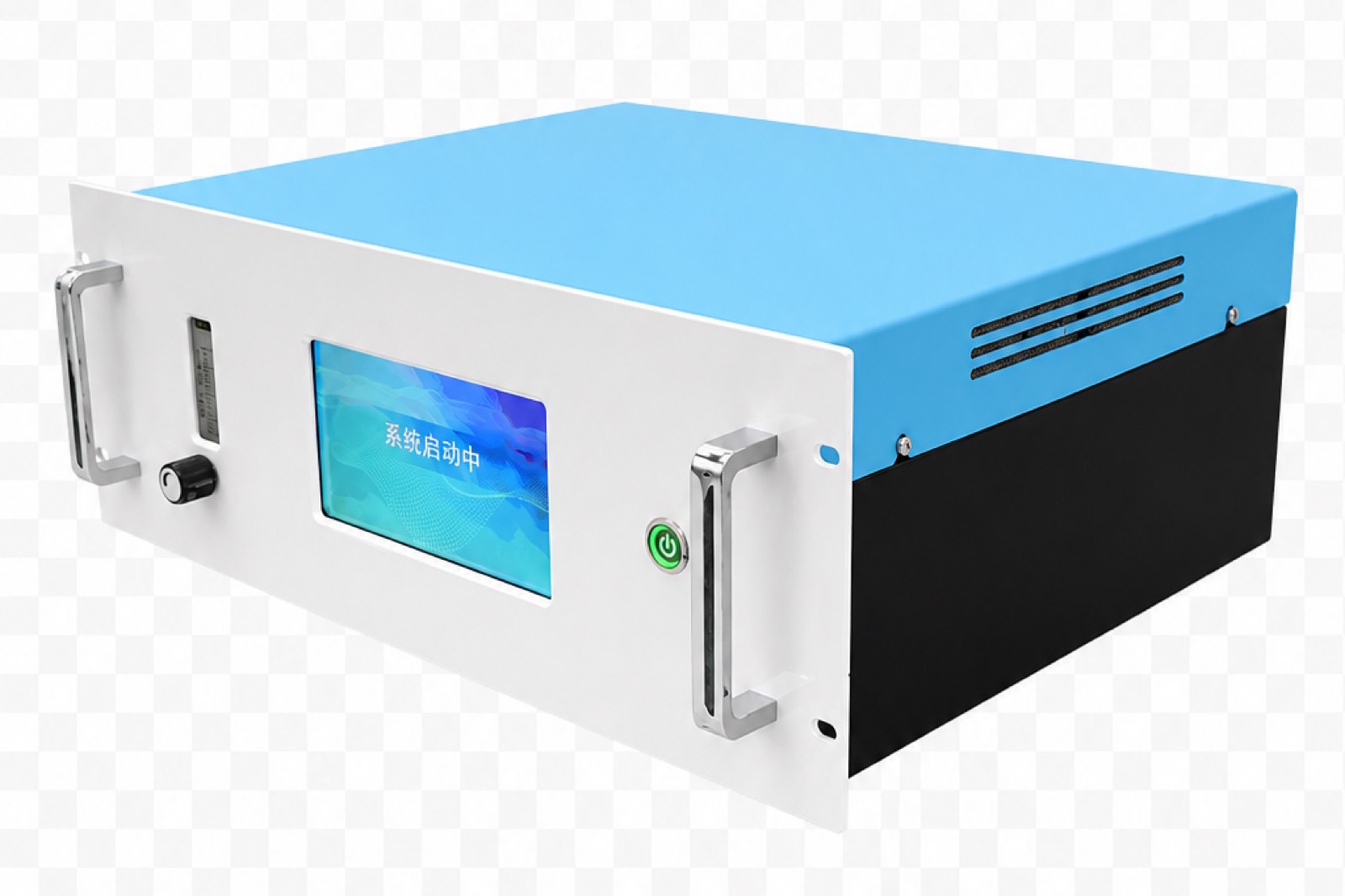 ZS6500-N2O
ZS6500-N2O Process N₂O Analyzer
Gas-filter-correlation analyzer on the same 6xxx infrared family — for N₂O measurement on adjacent process streams
GFC View SpecsRelated Measurement Technologies
Measuring more than just hydrogen? Explore complementary analytical categories.
 LEL / CH₄
Combustible Gas Detectors
Catalytic-bead %LEL fixed and portable detectors for hydrogen leak alarm, area monitoring, and confined-space entry — the Safety path that runs alongside process %vol purity.
View Products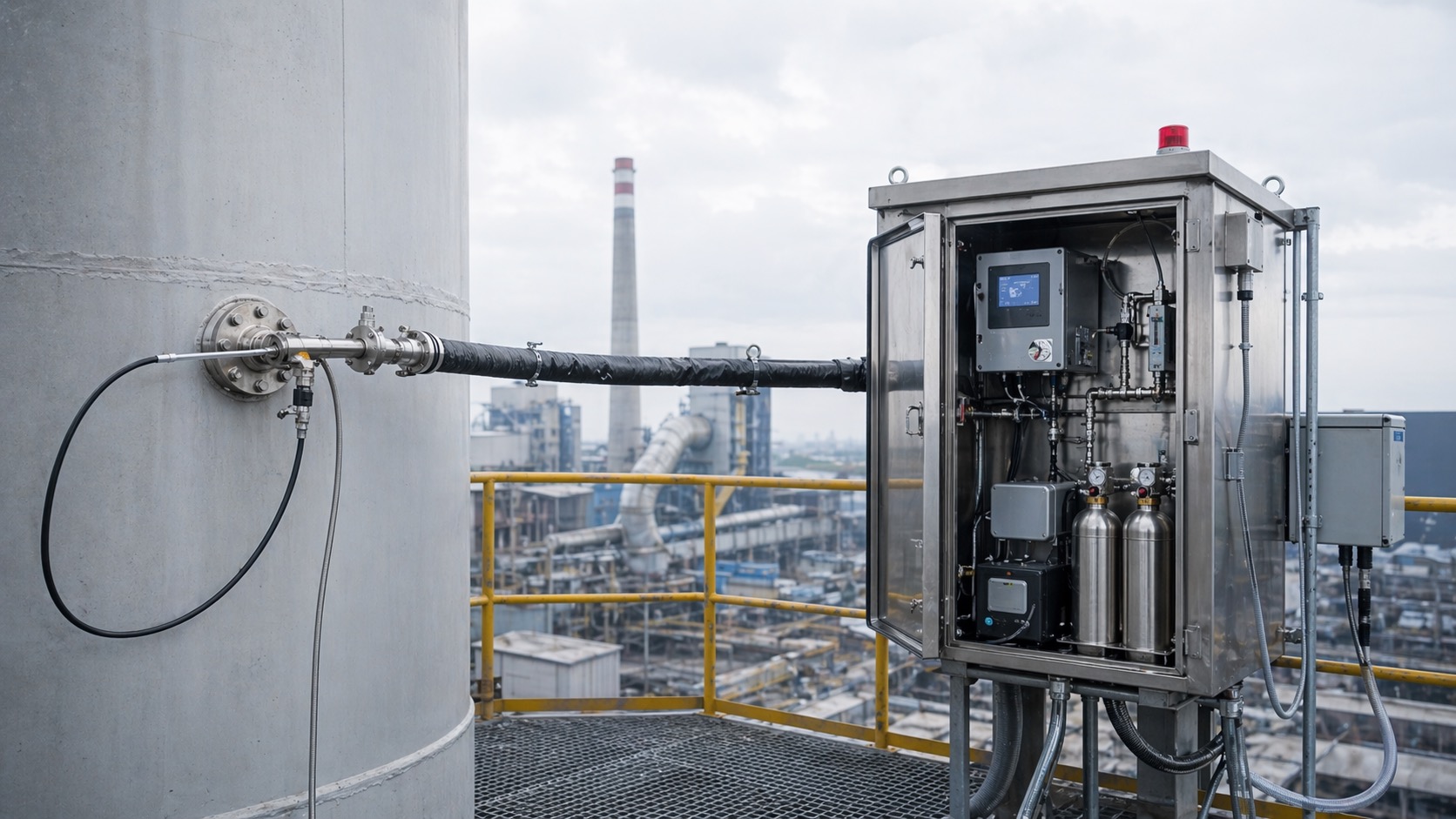 O₂
O₂
Oxygen Analyzers
Paramagnetic and zirconia O₂ analyzers for process optimization and purity control in air separation, synthesis gas, and combustion service.
View ProductsCompare ZS6300-H2 with adjacent options
Review neighboring models by technology, range, accuracy basis, and form factor before moving to quotation.
When this model is preferred
Select ZS6300-H2 when its measurement principle, range, and form factor match the process duty and certification scope.
When to consider an alternative technology
Consider another analyzer when the gas matrix, sample temperature, hazardous-area scope, or reporting requirement falls outside the stated envelope.
Review ZS6300-H2 against site conditions
Send gas range, sample temperature, pressure, moisture, and certification needs before final model selection — we confirm specifications and return a quotation within 24 hours.


