
N₂O Technology Note
GFC can improve infrared selectivity for N₂O, but the installed measurement still depends on range, gas matrix, sample conditioning, calibration, data handling and the reporting method accepted for the project.
Gas filter correlation is a differential infrared technique that uses a reference gas cell to emphasize the target absorption structure. It may suit continuous N₂O measurement when the selected range and matrix can be validated, but it does not eliminate water, CO₂, pressure, temperature, contamination, sampling or regulatory-method requirements.
What GFC changes—and what it does not
A conventional NDIR analyzer measures infrared attenuation through selected optical bands. A GFC instrument alternates or compares optical states using a reference cell containing the target gas or a related correlation path. The differential response can improve discrimination of the target structure from broadband background effects.
That correlation step is not a universal interference cancellation. The configured optical path, detector, range and compensation model still need to be reviewed against the actual gas. High water or CO₂, pressure and temperature shifts, optical contamination and gases with nearby absorption can affect the final design.
| Layer | Question to answer | Typical project evidence |
|---|---|---|
| Analyzer | Can the configured GFC channel cover the required N₂O range and matrix? | Configured datasheet, interference review, calibration plan |
| Sample system | Will the probe, line and conditioning deliver a representative sample? | Flow diagram, materials list, temperature and pressure basis |
| Quality system | How are zero, span, drift, missing data and maintenance handled? | QA procedure, test schedule, maintenance and data records |
| Reporting | Which regulation, monitoring plan or verifier determines acceptance? | Approved method, reporting basis, site acceptance criteria |
Review the complete extractive measurement chain
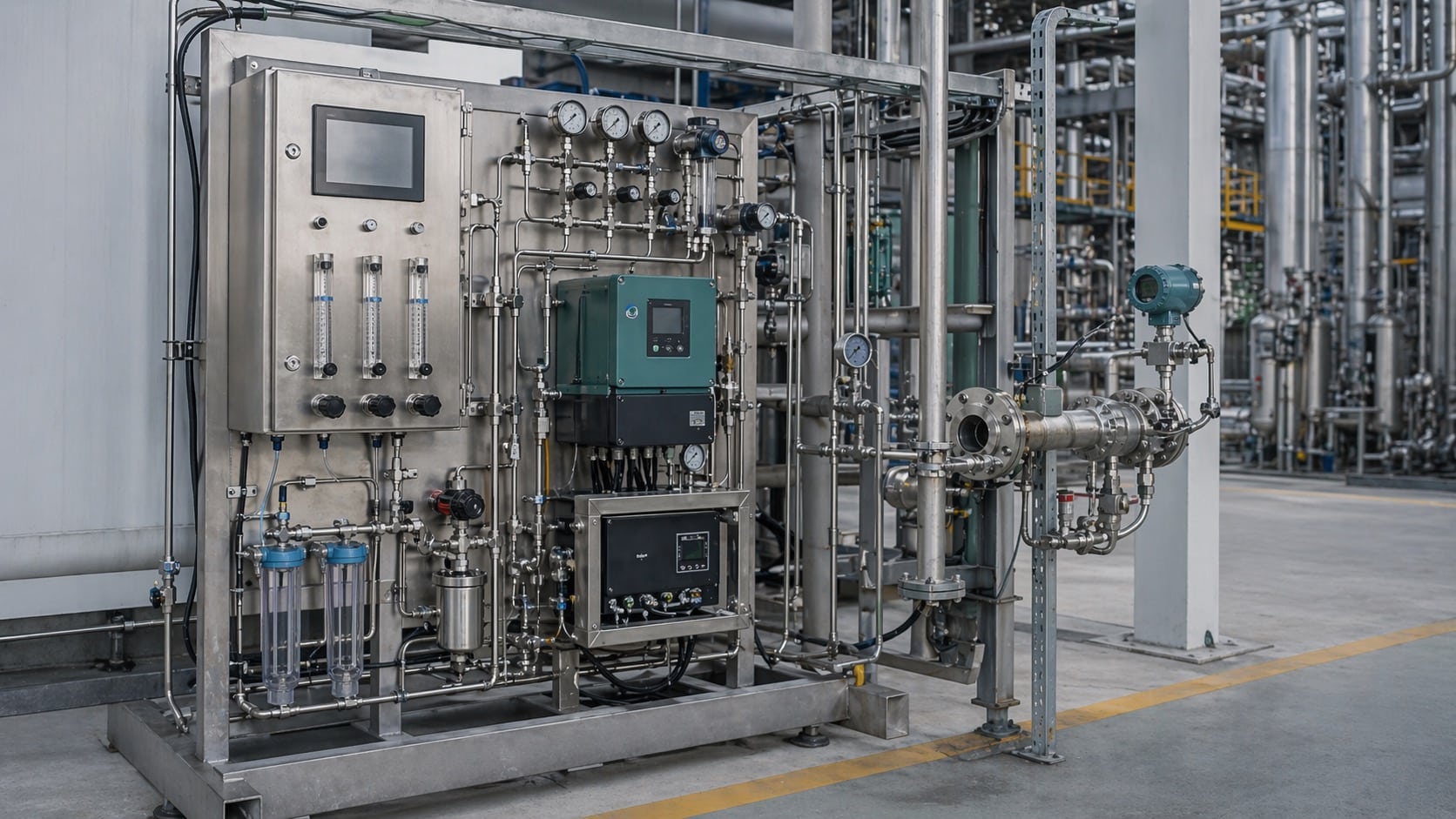
Continuous N₂O analyzers are commonly installed behind an extractive sample path. A good specification treats the analyzer and conditioning system as one measurement chain.
- Probe: locate it at a representative point and define particulate handling.
- Transfer line: set materials, length and temperature against moisture, condensables and response time.
- Conditioning: decide whether the measurement basis requires a wet, cool-dry or otherwise treated sample.
- Flow and vent: define stable cell flow, pressure control and safe discharge.
- Calibration connection: route zero and span gas through the portion of the sample path that the quality procedure requires.
- Data path: document reference conditions, averaging, flags, missing-data treatment and historian outputs.
Response time should be stated for the installed system where possible. Quoting only the detector or cell response can understate the delay created by the probe, line, filters, cooler, pump and flow setting.
Regulatory context for continuous N₂O measurement
United States: nitric acid production
40 CFR Part 98 Subpart V addresses greenhouse-gas reporting for nitric acid production. The applicable facility must follow the current regulation, monitoring provisions and reporting basis rather than treating a product datasheet as the compliance method.
European Union: emissions monitoring and reporting
Commission Implementing Regulation (EU) 2018/2066 establishes monitoring and reporting requirements under the EU ETS and includes measurement-based provisions for N₂O. The operator’s approved monitoring plan and competent authority or verifier determine the project-specific implementation.
These references establish reporting context; they do not certify a particular GFC analyzer. Instrument selection still requires a documented range, matrix, sample path, quality plan and site acceptance procedure.
Questions that should be answered before quotation
Primary references
Scope the N₂O analyzer and sample system together
Send the range, matrix, sample-tap conditions, reporting basis and document requirements before choosing a configured channel.


