
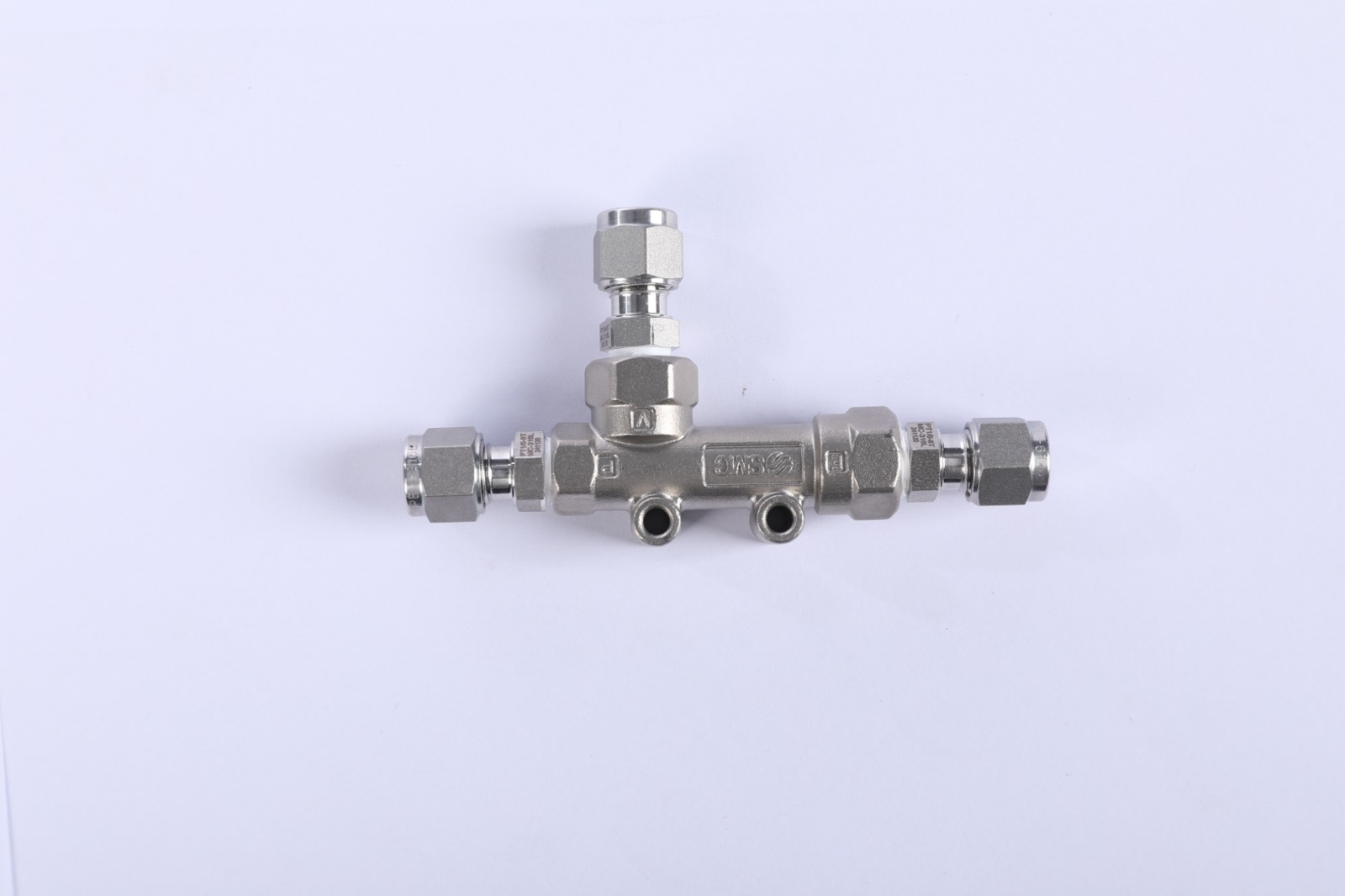

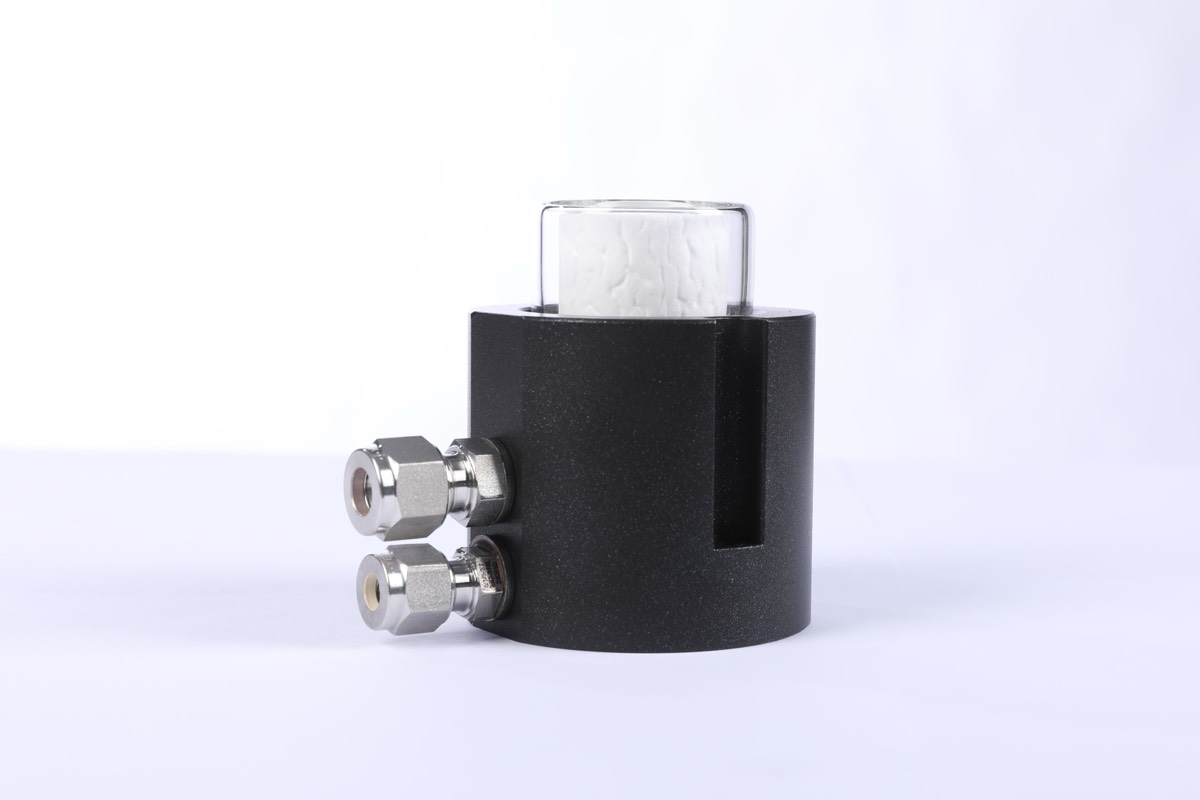
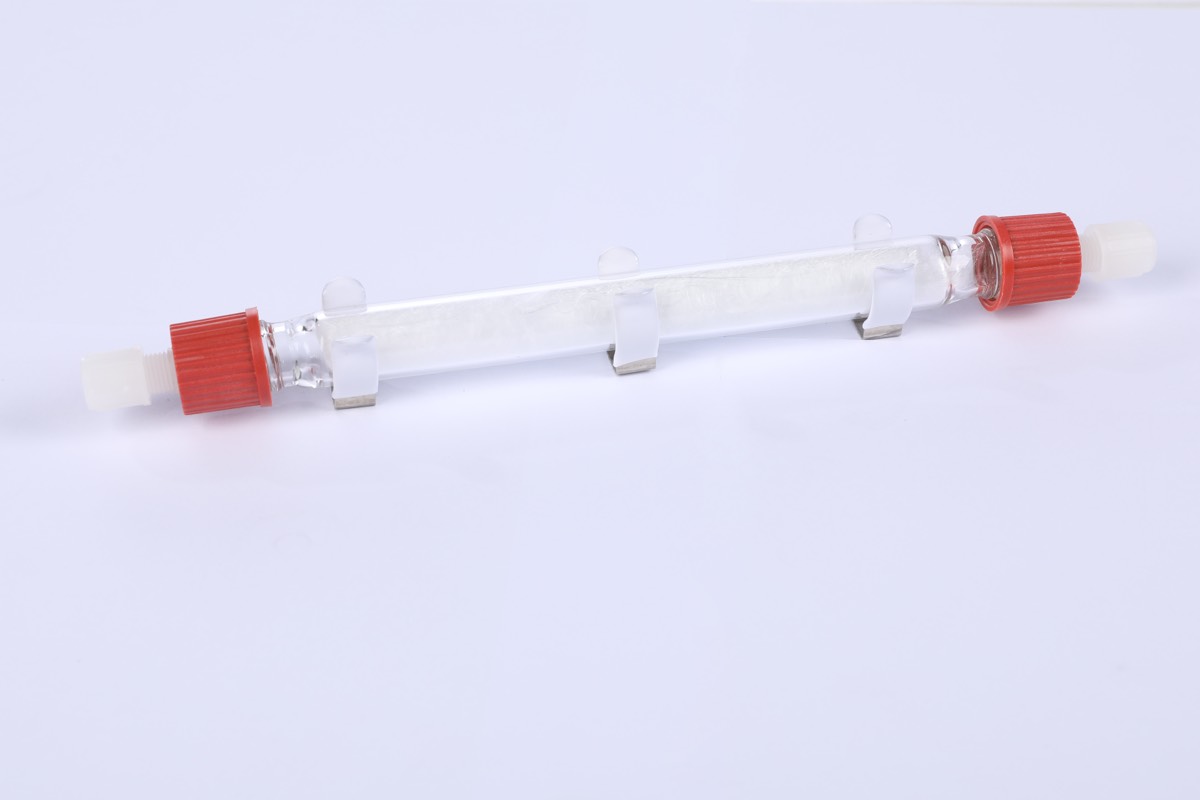
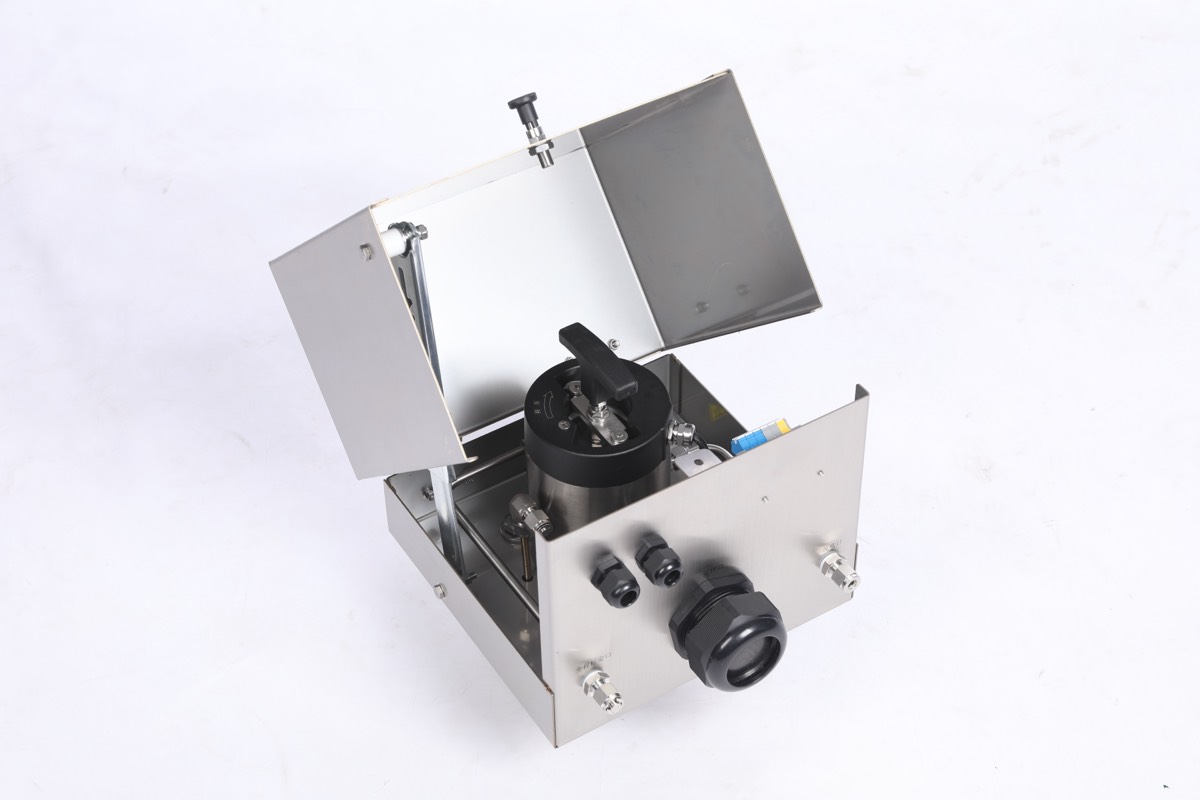
ZS-SCS-600 Cool-Dry Sampling System
Compact cooler-dryer system for clean, dry sample delivery
- Dew Point
- <5°C (adjustable)
- Flow Rate
- 0.5-3 L/min
- Filtration
- 0.5 µm coalescing
- Peristaltic
- Auto condensate drain
Overview
Peltier-cooled sample conditioning system that delivers clean, dry gas to analyzers. Removes moisture, particulates, and condensable hydrocarbons while preserving analyte integrity.
- Precise Peltier dew point control
- Coalescing filter removes aerosols
- Automatic peristaltic condensate drain
- Compact wall-mount enclosure
Full Technical Specifications
Key Performance
| Metric | Value | Status |
|---|---|---|
| Conditioned dew point | <5C | confirmed |
| Dew-point setpoint range | 2-10C adjustable | confirmed |
| Sample flow | 0.5-3L/min | confirmed |
| Coalescing filtration | 0.5 µm | confirmed |
| Condensate handling | Automatic peristaltic drain with 250 mL trap | confirmed |
Measurement
| Specification | Value |
|---|---|
| System Type | Peltier-cooled sample conditioning |
| Dew Point | <5°C (adjustable 2-10°C) |
| Flow Rate | 0.5-3 L/min |
| Filtration | 0.5 µm coalescing |
| Condensate | Automatic peristaltic drain |
Physical
| Specification | Value |
|---|---|
| Dimensions | 400×500×250mm wall-mount |
| Weight | 18kg |
| Materials | SS316L / Borosilicate glass / PTFE |
| Condensate Trap | 250 mL capacity |
Electrical
| Specification | Value |
|---|---|
| Power | 100-240VAC 50/60Hz 180W |
| Controller | Microprocessor with LED status |
| Temperature Control | ±0.5°C PID regulation |
| Alarms | 2×relay (over-temp fault) |
Environmental
| Specification | Value |
|---|---|
| Ambient | +5°C to +45°C |
| Inlet Gas Temp | Up to 60°C (higher with pre-cooler) |
| Inlet Pressure | -50 to +500 mbar |
| Gas Compatibility | Non-corrosive process gases |
Certifications
| Specification | Value |
|---|---|
| EMC | EN 61326-1 |
| Safety | EN 61010-1 |
| Quality | ISO 9001:2015 |
Where This Analyzer Fits
This model is mapped to the following industry applications and process duties.
Deployment Environments
Common process environments where this model is evaluated.
Certification Scope
Standards are listed with scope and status so engineering review can verify the applicable enclosure, area, and safety case.
| Standard | Scope | Status |
|---|---|---|
| EN 61010-1 | electrical safety for the cooler-dryer cabinet | approved |
| EN 61326-1 | EMC for the cooler-dryer controller | approved |
| ISO 9001:2015 | quality-system listing from the current published certification specification | approved |
Request Documentation
Request technical datasheets, user manuals, certificates, and application notes for this model.
Evidence Notes
Biogas cooler-dryer conditioning architecture
Raw digester gas brings saturated moisture and trace H2S into the analyzer front end. The architecture uses a controlled Peltier cooler, coalescing filtration, and automatic condensate removal to separate liquid carryover before the analyzer inlet.
Cool-dry boundary for reactive gases
Cool-dry conditioning is a fit for clean, non-reactive gases; water-soluble or reactive compounds require dry-basis correction or a heated sampling review to avoid analyte loss in condensate.
Technical & Engineering Details
Secondary engineering detail — expand each topic for the operating envelope, maintenance and spares, and application evidence.
01 Operating Envelope
Use these limits as selection inputs, then confirm sample condition, ambient exposure, and materials before quotation.
- Non-corrosive process gases
- Mildly corrosive gases with application review
- SS316L
- Borosilicate glass
- PTFE
- Highly corrosive HCl, HF, or SO3 duty; use heated sampling with appropriate wetted materials
- Inlet gas above 60 C without a pre-cooler
- Water-soluble gases such as SO2, NH3, or HCl without dry-basis correction or heated sampling review
02 Maintenance & Spares confirmed
Routine service tasks, consumables, and access requirements for this analyzer; exact intervals are site-specific.
- Replace or inspect the 0.5 µm coalescing filter based on aerosol loading
- Check peristaltic condensate drain operation and trap level during service rounds
- Verify Peltier setpoint and high-temperature alarm relay after installation changes
- Review gas solubility before applying cool-dry conditioning to SO2, NH3, or HCl streams
- Coalescing filter element
- Condensate drain service parts
Compact wall-mount enclosure with LED status and condensate trap access
03 Application Evidence
Application context from complex industrial environments.
Application Context
Biogas upgrading facilities conditioning raw digester gas saturated at 38 °C with 2,000 ppm H₂S need cooler-dryer architecture before the analyzer, because moisture and trace H₂S together accelerate sample-cell degradation.
Architecture Response
ZS-SCS-600 with <5 °C dew point and a coalescing filter removes condensate carryover by design, supporting extended analyzer sample-cell service life across digester-gas duty cycles.
Frequently Asked Questions
What is the difference between cool-dry and heated sampling?
Cool-dry removes moisture by cooling below dew point — ideal for clean, non-reactive gases. Heated sampling maintains temperature above dew point — required for corrosive or reactive gases (HCl, SO₃, NH₃) that would be absorbed by condensate.
Can it handle corrosive gases?
The ZS-SCS-600 is designed for non-corrosive to mildly corrosive gases. For highly corrosive streams (HCl, HF, SO₃), use the ZS-SCS-800 heated system with Hastelloy wetted parts.
What happens to the removed condensate?
Condensate drains automatically via a peristaltic pump to a collection vessel or floor drain. The 250 mL internal trap provides buffer capacity during high-moisture conditions.
How precise is the dew point control?
The PID-controlled Peltier cooler maintains dew point within ±0.5°C of the setpoint. Adjustable from 2°C to 10°C to optimize for different gas compositions.
Does cooling affect gas measurement accuracy?
For most gases (CO, CO₂, O₂, CH₄), cooling has negligible effect. For water-soluble gases (SO₂, NH₃, HCl), use dry-basis correction or heated sampling to avoid analyte loss in condensate.
Related & Alternatives
Alternative Solutions


Compare ZS-SCS-600 with adjacent options
Review neighboring models by technology, key spec, filtration, and form factor before moving to quotation.
When this model is preferred
Select ZS-SCS-600 when its measurement principle, range, and form factor match the process duty and certification scope.
When to consider an alternative technology
Consider another analyzer when the gas matrix, sample temperature, hazardous-area scope, or reporting requirement falls outside the stated envelope.
Related Measurement Technologies
Measuring more than just sampling? Explore complementary analytical categories.
 Multi
Multi
Multi-Gas Analyzers
Simultaneous multi-component gas analysis using multi-pass TDLAS, NDIR, and combined-sensor platforms for complex process streams, comprehensive CEMS, and research applications.
View Products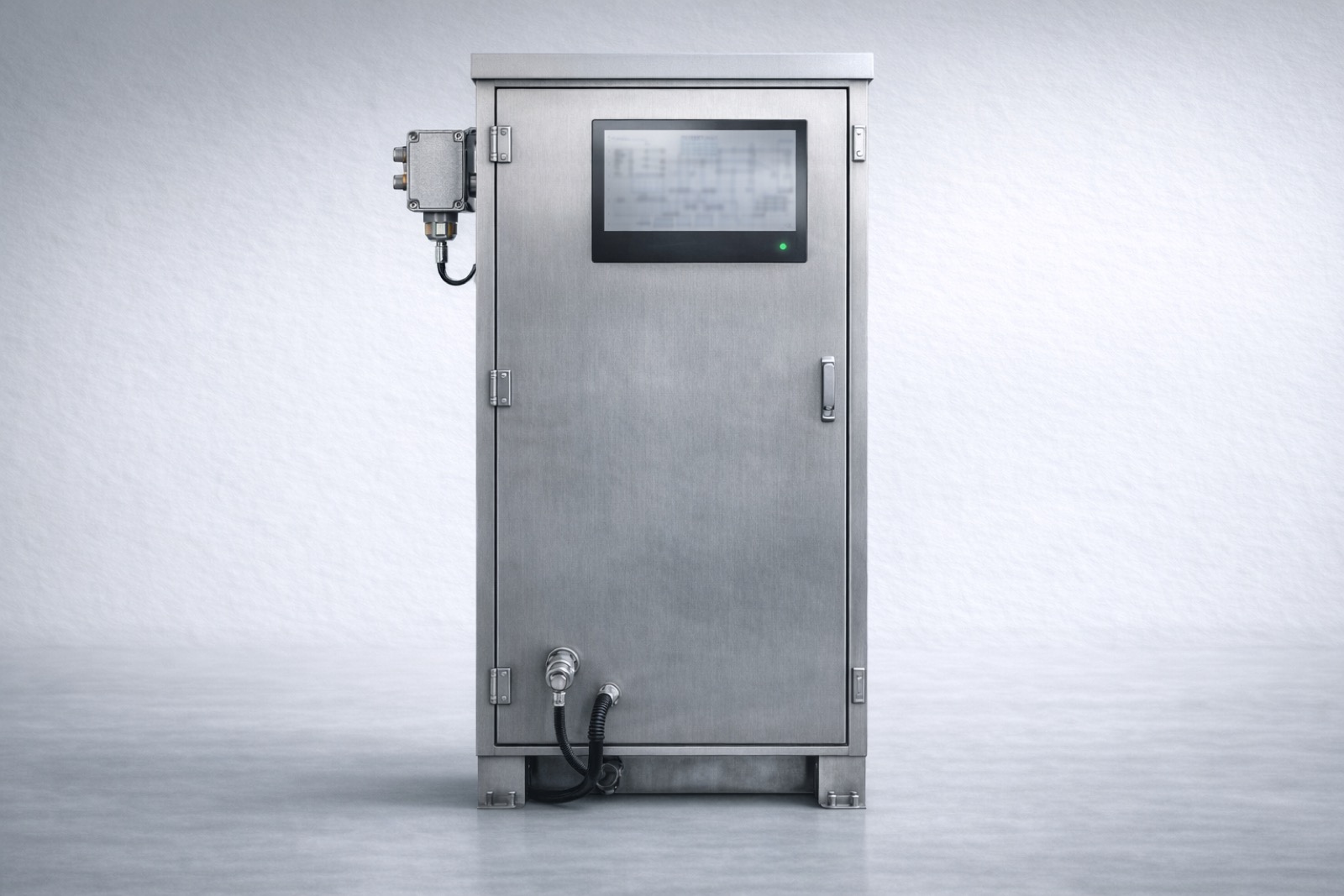 SO₂ / NOₓ
SO₂/NOₓ Analyzers
UV-DOAS and chemiluminescence analyzers for sulfur dioxide and nitrogen oxide measurement, essential for CEMS compliance and flue gas desulfurization control.
View ProductsReview ZS-SCS-600 against site conditions
Send gas range, sample temperature, pressure, moisture, and certification needs before final model selection.


