

ZS-SCS-800 High-Temperature Heated Sampling System
Complete heated extractive system for corrosive and wet gas streams
- Temperature
- 180°C continuous
- Materials
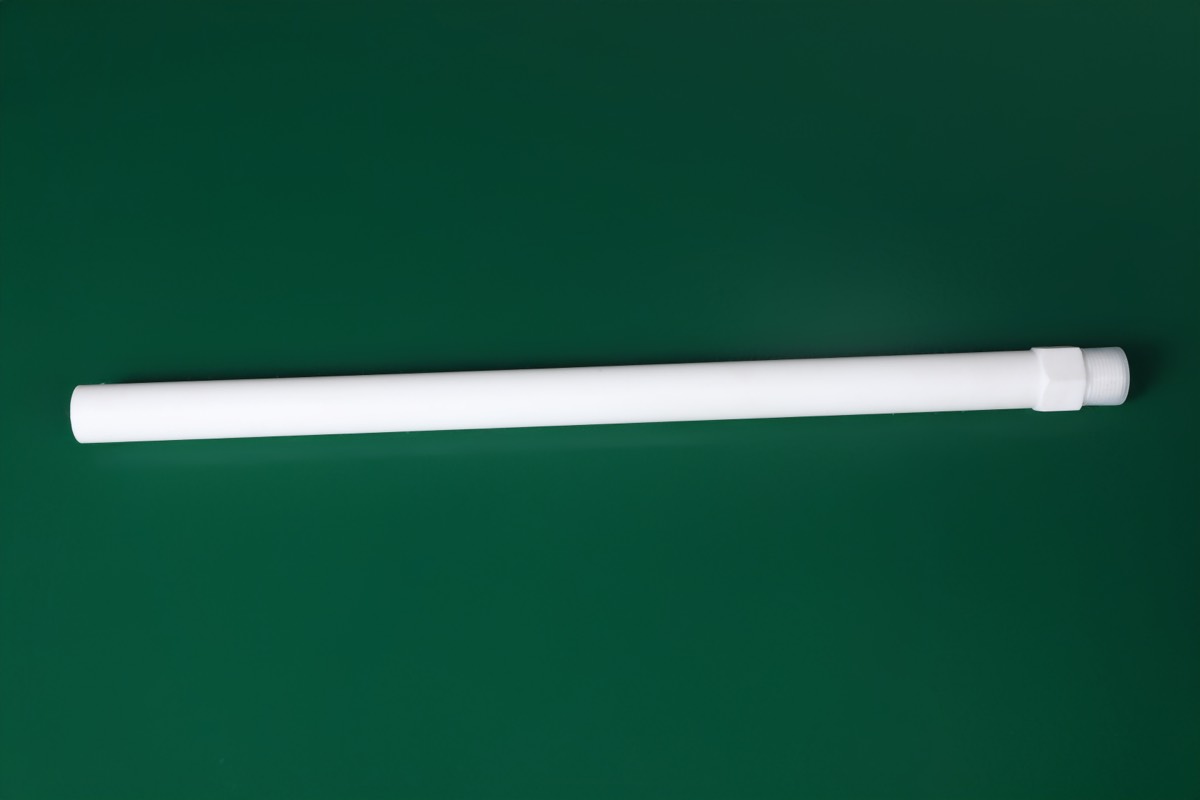
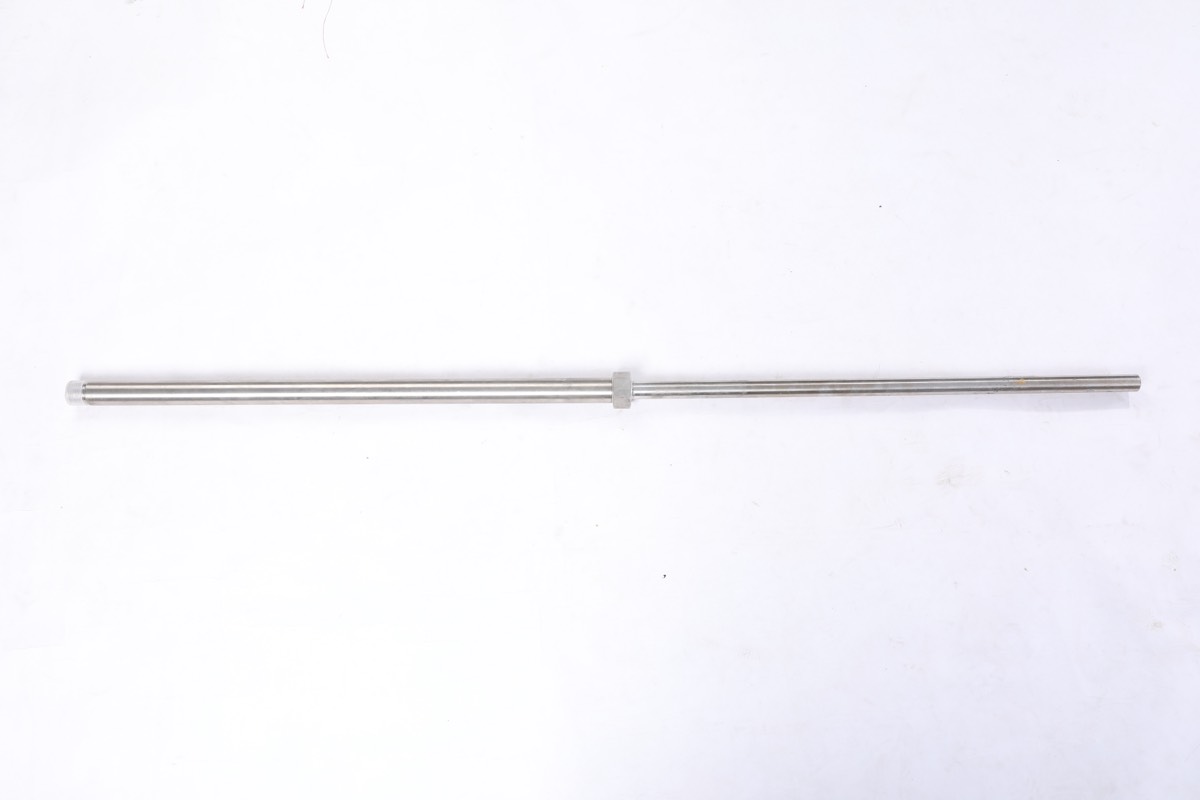
- SS316L / PTFE / Hastelloy
- Flow Rate
- 1-5 L/min
- Filtration
- 2 µm sintered
Overview
Fully heated sampling system maintaining 180°C from probe tip to analyzer inlet. Prevents condensation and sample loss in wet, corrosive flue gas applications.
- 180°C fully heated from probe to analyzer
- Corrosion-resistant wetted materials
- Automatic blowback cleaning
- Redundant temperature monitoring
Full Technical Specifications
Key Performance
| Metric | Value | Status |
|---|---|---|
| Heated sample path | 180C continuous | confirmed |
| Sample flow | 1-5L/min | confirmed |
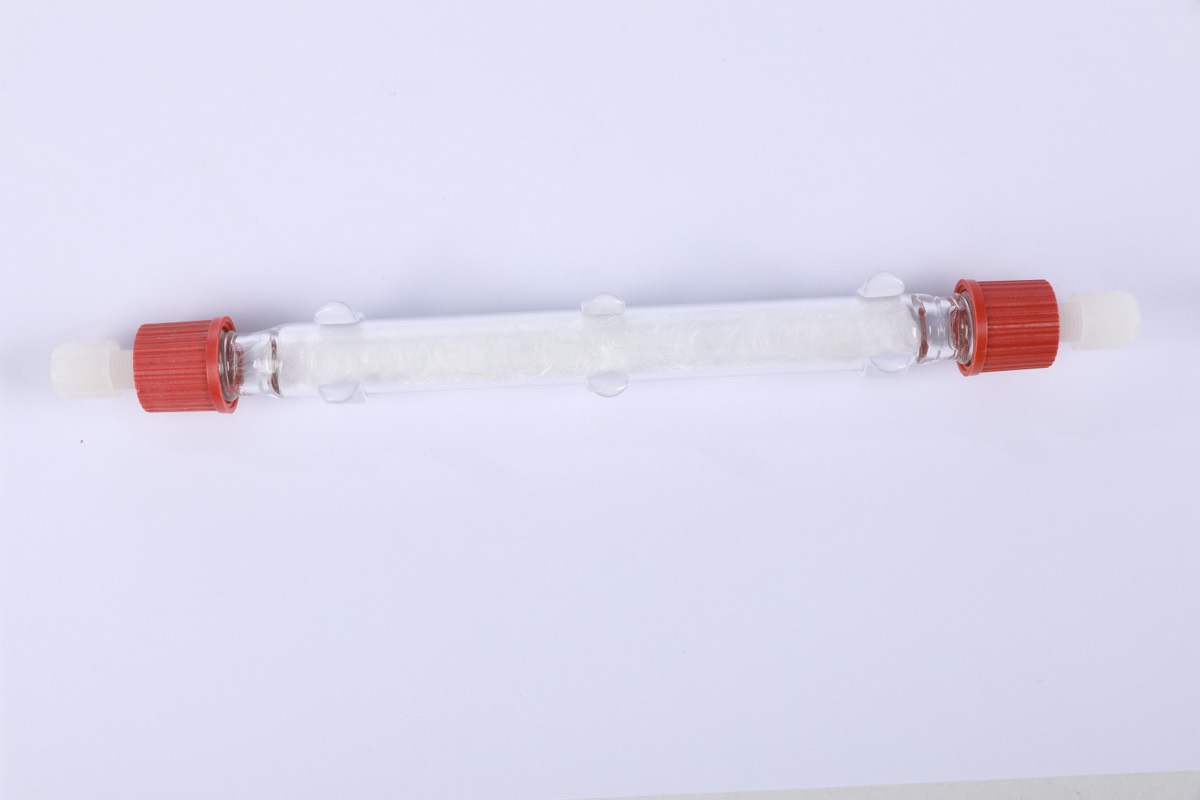
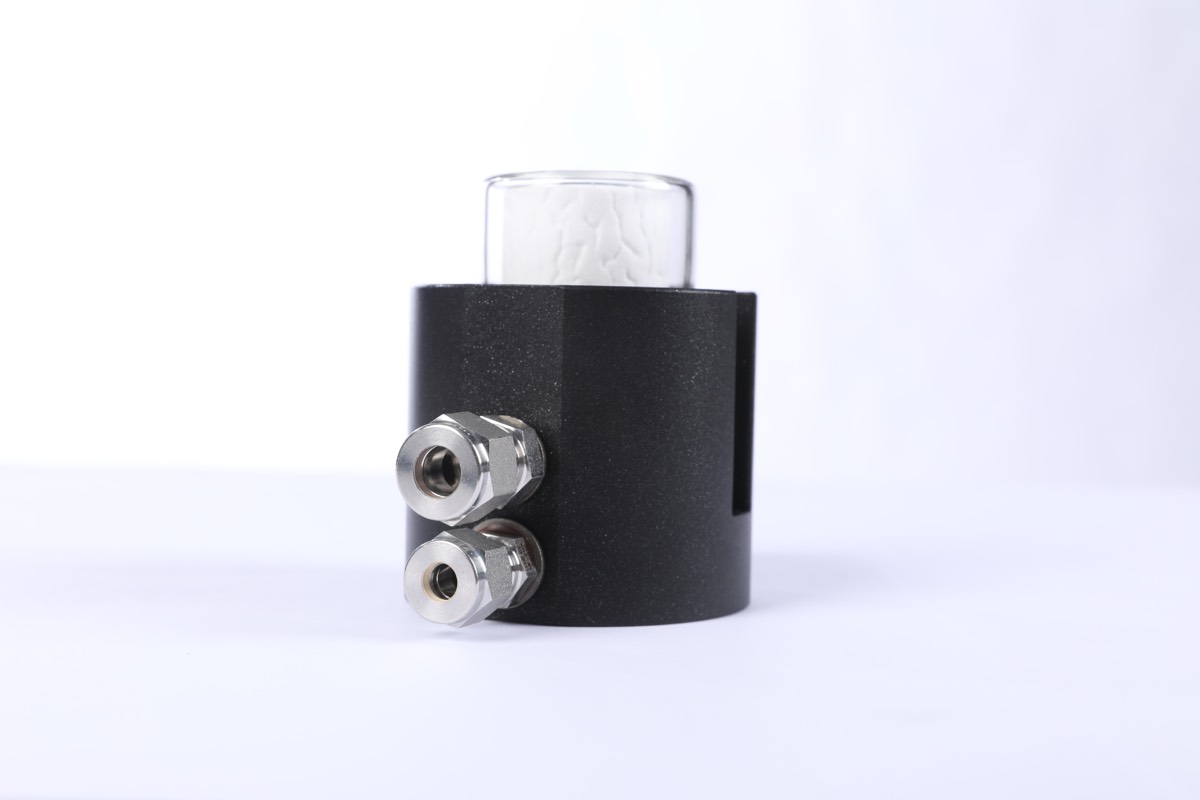
| Primary filtration | 2 µm sintered SS316L in-stack + 0.5 µm secondary | confirmed |
| Heated line length | 30 m standard; 50 m optional | confirmed |
| Blowback | Automatic timed or manual | confirmed |
Measurement
| Specification | Value |
|---|---|
| System Type | Heated extractive |
| Temperature | 180°C continuous (probe to analyzer) |
| Flow Rate | 1-5 L/min |
| Filtration | 2 µm sintered SS316L in-stack + 0.5 µm secondary |
| Blowback | Automatic timed or manual |
Physical
| Specification | Value |
|---|---|
| Dimensions (cabinet) | 600×800×400mm wall-mount |
| Weight | 45kg (excl. probe) |
| Materials | SS316L / PTFE / Hastelloy C-276 (wetted) |
| Heated Line | Up to 30m standard (50m optional) |
Electrical
| Specification | Value |
|---|---|
| Power | 230VAC 50/60Hz 1200W (heated line + cabinet) |
| Controller | PLC with 7″ HMI touchscreen |
| Temperature Zones | 3 independently controlled |
| Alarms | 4×relay (over-temp under-temp fault flow) |
Environmental
| Specification | Value |
|---|---|
| Ambient | -30°C to +50°C |
| Stack Gas Temp | Up to 400°C at probe tip |
| Stack Pressure | -50 to +200 mbar |
| Corrosive Gas | HCl HF SO₃ compatible (Hastelloy option) |
Certifications
| Specification | Value |
|---|---|
| CEMS | EN 15267 sampling compliance |
| EMC | EN 61326-1 |
| Safety | EN 61010-1 |
| Materials | PED 2014/68/EU compliant |
Where This Analyzer Fits
This model is mapped to the following industry applications and process duties.
Deployment Environments
Common process environments where this model is evaluated.
Certification Scope
Standards are listed with scope and status so engineering review can verify the applicable enclosure, area, and safety case.
| Standard | Scope | Variant | Status | Document |
|---|---|---|---|---|
| EN 15267 | sampling compliance as listed in the current published certification specification | Project variant | approved | On request |
| EN 61010-1 | electrical safety for the sampling-system cabinet | Project variant | approved | On request |
| EN 61326-1 | EMC for the sampling-system controller | Project variant | approved | On request |
| PED 2014/68/EU | pressure-equipment material compliance listed in the current published certification specification | Project variant | approved | On request |
Request Documentation
Request technical datasheets, user manuals, certificates, and application notes for this model.
Evidence Notes
High-particulate acid-gas CEMS sampling architecture
Waste-to-energy flue-gas service combines particulates with HCl-bearing corrosion risk. The case-study architecture uses Hastelloy C-276 wetted parts, 180 C heat tracing, and automatic blowback to keep the sample path above dew point while managing filter loading.
Heated extractive path boundary
The system is positioned upstream of rack-mount analyzers that require a clean, heated sample at atmospheric pressure; material selection and heated-line length remain application-engineering checks.
Technical & Engineering Details
Secondary engineering detail — expand each topic for the full operating envelope, maintenance and application evidence.
01 Operating Envelope
Use these limits as selection inputs, then confirm sample condition, ambient exposure, and materials before quotation.
Corrosive Agents
- HCl
- HF
- SO3 with Hastelloy option
Wetted Materials
- SS316L
- PTFE
- Hastelloy C-276
- Probe-tip duty above 400 C without engineering review
- HCl above 50 mg/m3, HF, or high SO3 without Hastelloy C-276 wetted parts
- Heated-line runs above 50 m without added heating zones and temperature monitoring
02 Maintenance & Spares confirmed
Routine service tasks, consumables, and access requirements for this analyzer; exact intervals are site-specific.
- Inspect and replace in-stack and secondary filter elements according to particulate loading
- Verify automatic blowback timing and instrument-air supply before high-dust campaigns
- Check all three heated temperature zones and alarm relays during planned service
- Review wetted-material selection when HCl, HF, or high SO3 conditions change
- Sintered in-stack filter element
- Secondary filter element
- Heated-line service parts
Wall-mount cabinet with PLC/HMI status plus probe and heated-line service points
03 Application Evidence
Application context from complex industrial environments.
Application Context
Waste-incinerator CEMS installations face chronic downtime from sample-line blockage and HCl-driven probe corrosion in high-particulate flue gas, where each downtime event triggers a regulatory non-availability notification.
Architecture Response
ZS-SCS-800 with Hastelloy C-276 wetted parts and automatic blowback supports sustained CEMS availability through high-particulate, HCl-bearing flue-gas duty, so non-availability notifications do not dominate the operations log.
Frequently Asked Questions
Why is 180°C heating important?
Maintaining sample temperature above the acid dew point (~160°C for typical flue gas) prevents condensation of water, SO₃, and HCl. Condensation causes sample loss, corrosion, and cross-contamination that invalidates measurements.
What is the maximum heated line length?
Standard: 30 meters. Extended: 50 meters with additional heating zones. Longer runs require increased power supply capacity and additional temperature monitoring points.
When should I choose Hastelloy over SS316L?
Hastelloy C-276 is required for flue gas containing HCl >50 mg/m³, HF, or high SO₃ concentrations — typically waste incinerators, chlor-alkali plants, and glass furnaces. SS316L is adequate for standard coal/gas combustion.
How does the automatic blowback work?
Compressed instrument air (6 bar) is periodically pulsed back through the in-stack filter to dislodge accumulated particulates. Cycle timing is configurable from 5 minutes to 24 hours depending on dust loading.
What analyzers is the ZS-SCS-800 compatible with?
Compatible with all GESHINE rack-mount analyzers (ZS8xxx series, ZS6xxx series). Also compatible with most third-party analyzers requiring clean, heated sample at atmospheric pressure.
Related & Alternatives
Alternative Solutions

Related Measurement Technologies
Measuring more than just sampling? Explore complementary analytical categories.
 Multi
Multi
Multi-Gas Analyzers
Simultaneous multi-component gas analysis using multi-pass TDLAS, NDIR, and combined-sensor platforms for complex process streams, comprehensive CEMS, and research applications.
View Products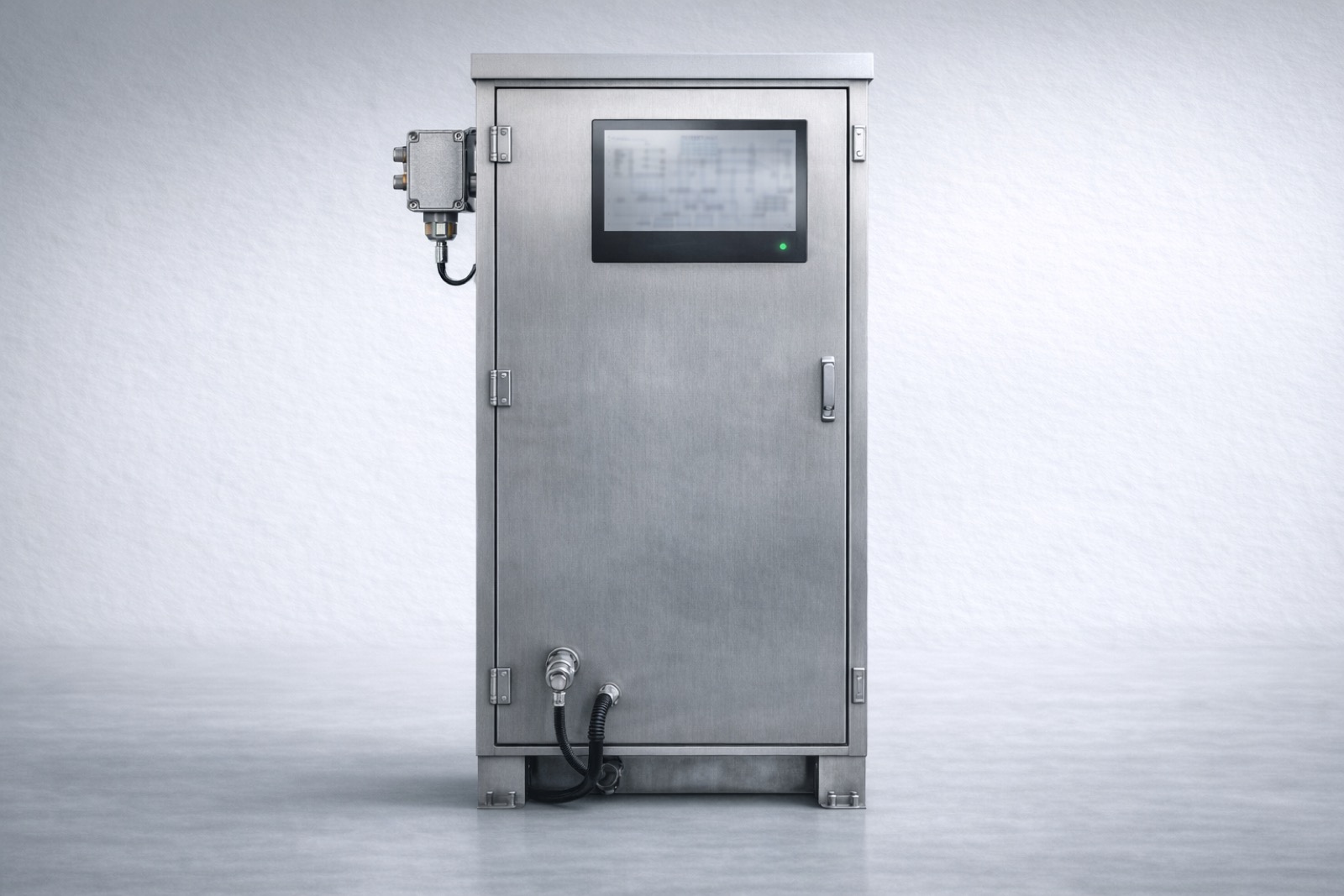 SO₂ / NOₓ
SO₂/NOₓ Analyzers
UV-DOAS and chemiluminescence analyzers for sulfur dioxide and nitrogen oxide measurement, essential for CEMS compliance and flue gas desulfurization control.
View ProductsCompare ZS-SCS-800 with adjacent options
Review neighboring models by technology, range, accuracy basis, and form factor before moving to quotation.
When this model is preferred
Select ZS-SCS-800 when its measurement principle, range, and form factor match the process duty and certification scope.
When to consider an alternative technology
Consider another analyzer when the gas matrix, sample temperature, hazardous-area scope, or reporting requirement falls outside the stated envelope.
Review ZS-SCS-800 against site conditions
Send gas range, sample temperature, pressure, moisture, and certification needs before final model selection.