
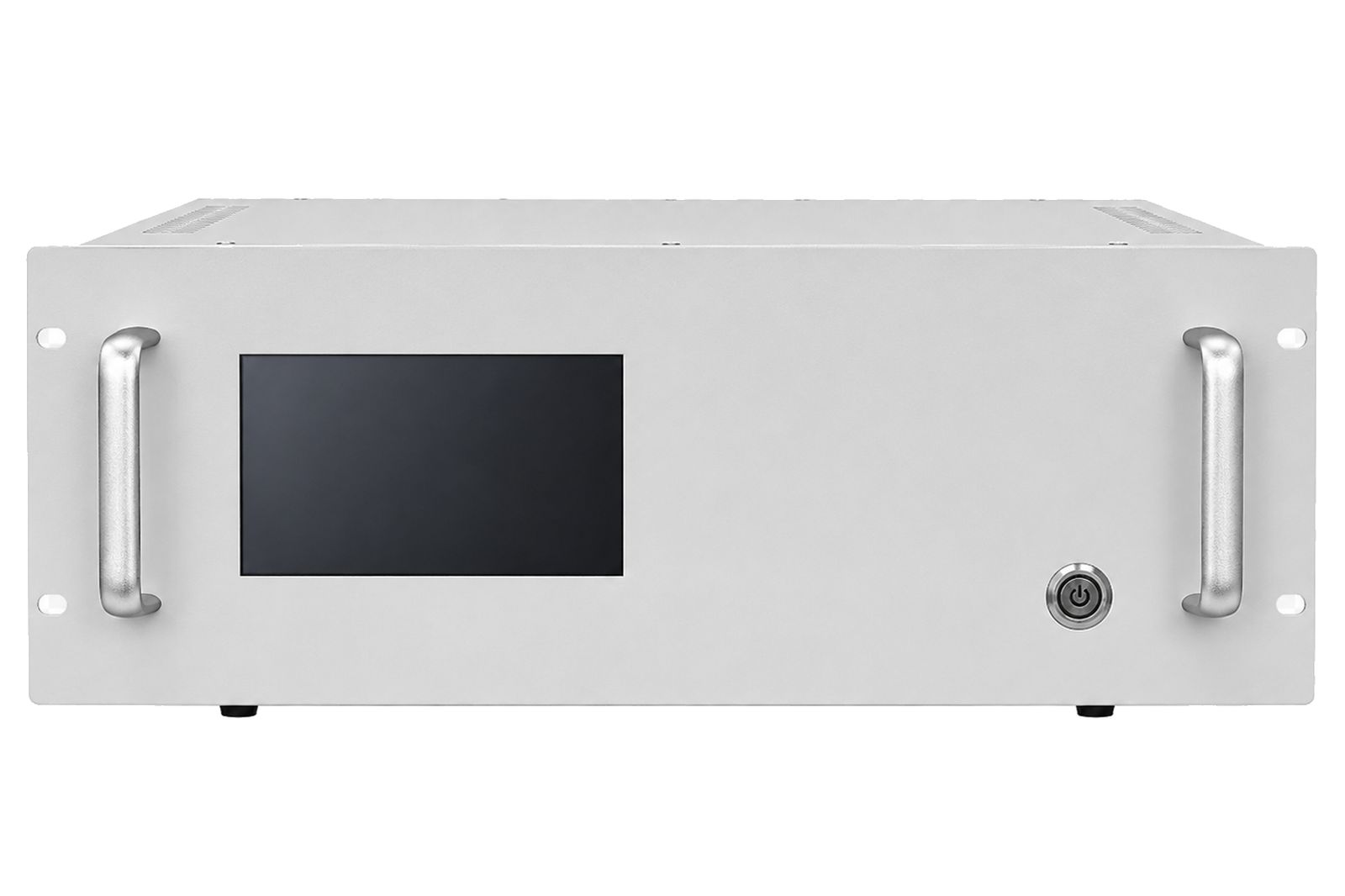
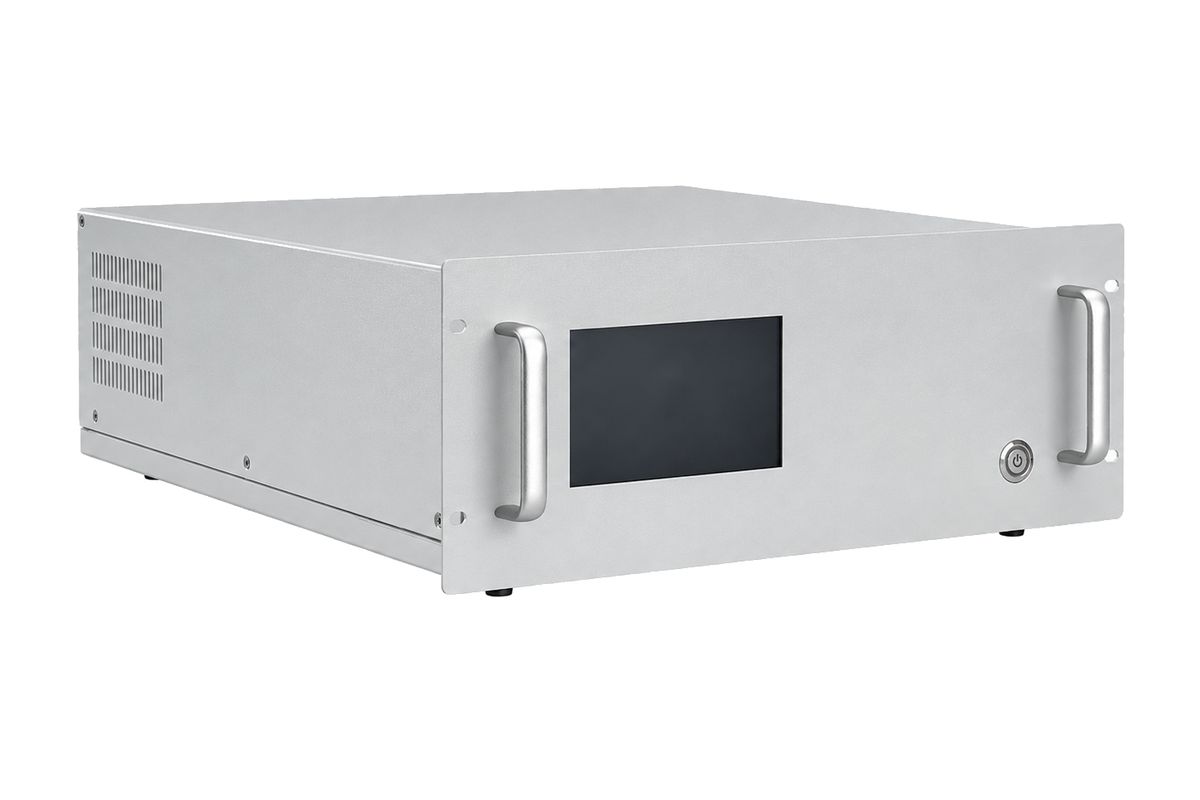
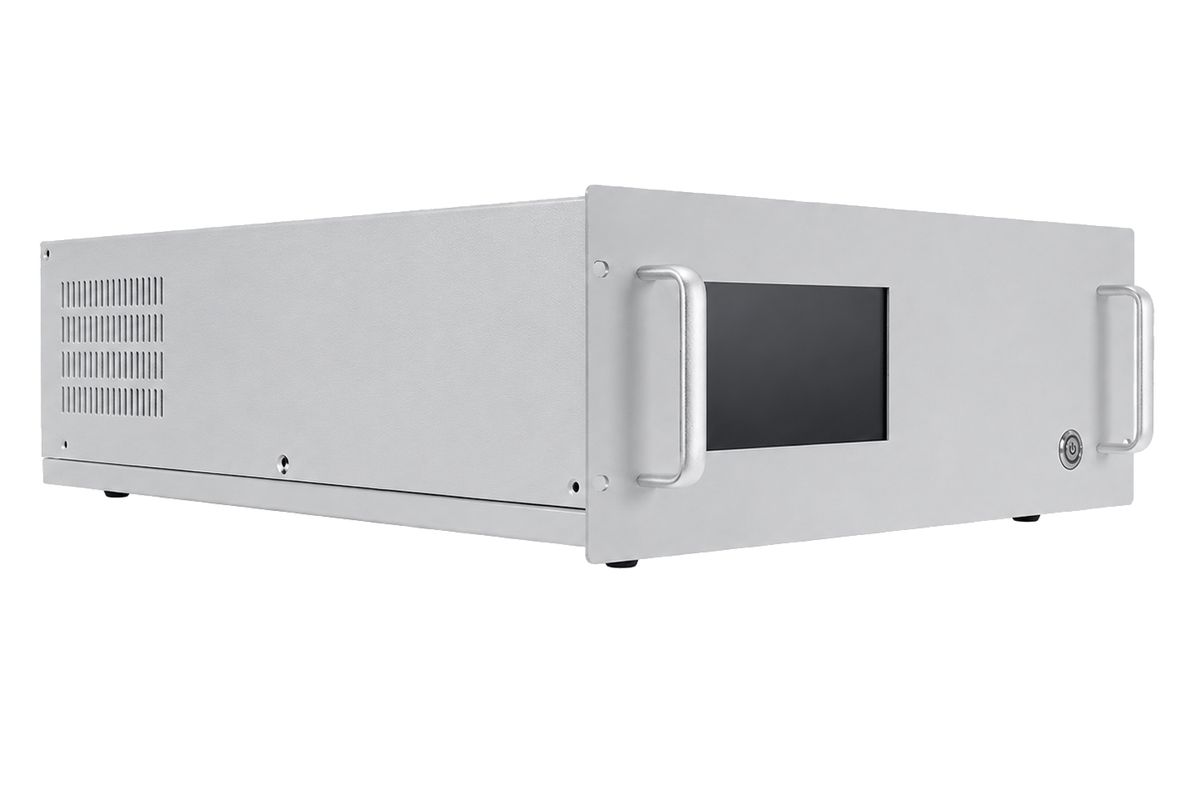
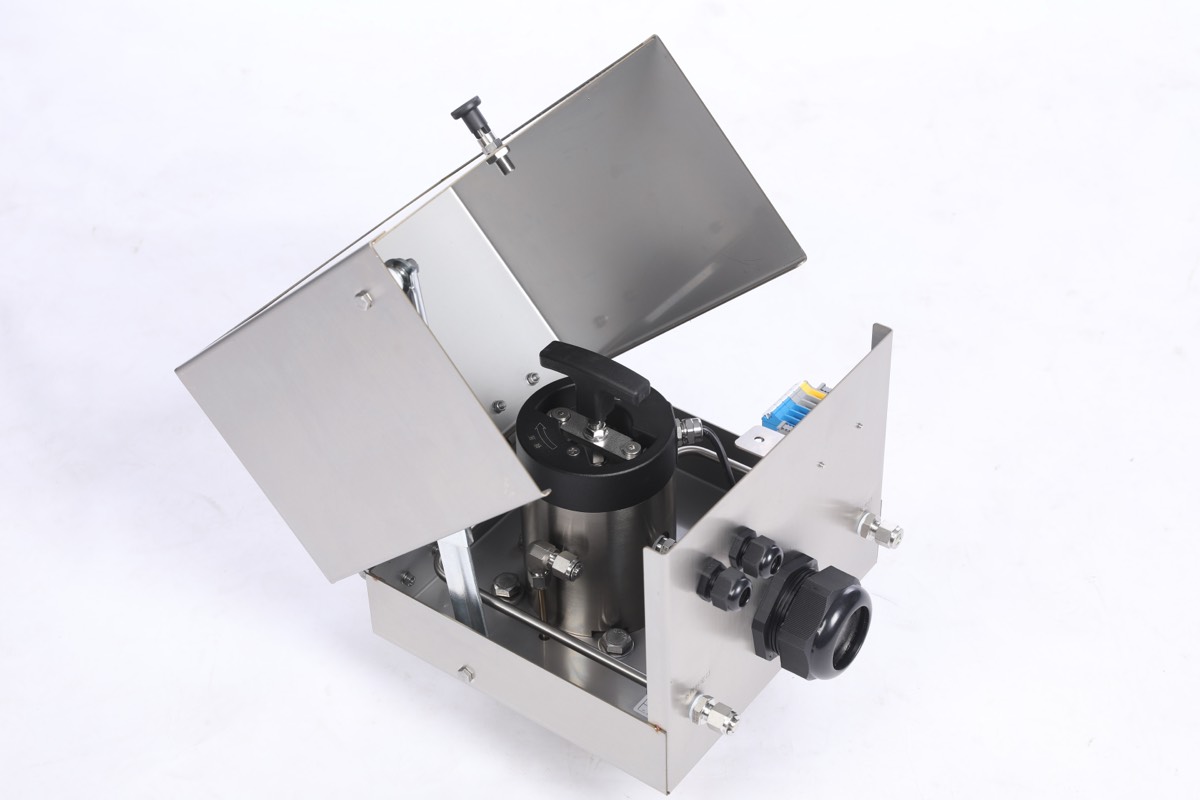
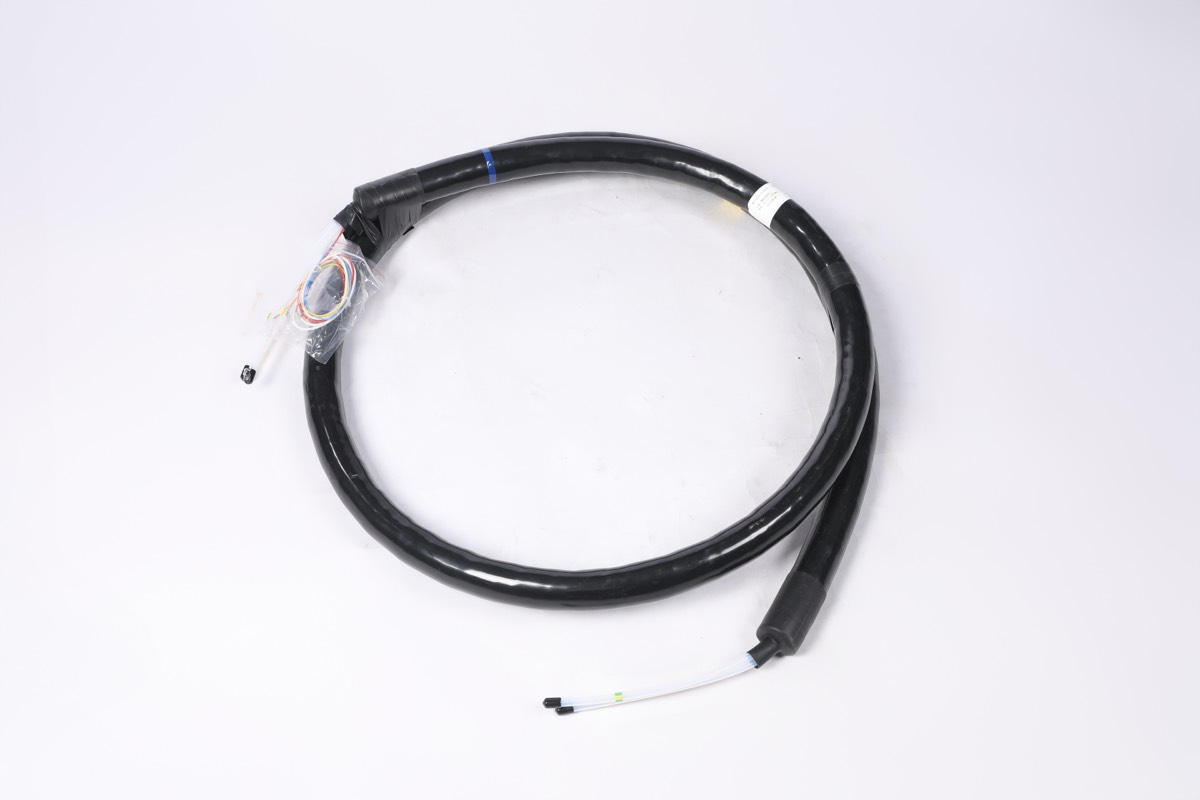
ZS-CEMS-200 CEMS SO₂/NOₓ Analyzer
UV-DOAS emission analyzer for continuous SO₂ and NOₓ compliance
- SO₂ Range
- 0-3000 mg/m³
- NOₓ Range
- 0-1500 mg/m³
- Cert
- EN 14181 QAL1 scope
- Availability
- >99.5%
Overview
The ZS-CEMS-200 combines UV-DOAS spectroscopy for SO₂ and NOₓ measurement with chemiluminescence for NO₂ specificity, providing complete emission monitoring in a single rack.
- Combined UV + CLD detection
- No wet-chemistry reagent in the UV cell; calibration gases remain required
- Multi-point calibration validation
- IED / LCPD compliant
- Wall-mounted UV-DOAS alternative available by project review (compact CEMS covering SO₂/NO/NO₂/NH₃/Cl₂/O₂ without a separate probe and heated line)
Full Technical Specifications
Key Performance
| Metric | Value | Status |
|---|---|---|
| SO₂ Range | 0-3000mg/m³ | confirmed |
| NOₓ Range | 0-1500mg/m³ | confirmed |
| Accuracy | <1.5% of certified range | confirmed |
| Availability | >99.5% | confirmed |
| Certification | EN 14181 QAL1 scope — certificate per project | conditional |
Measurement
| Specification | Value |
|---|---|
| Measuring Principle | UV-DOAS (SO₂) + Chemiluminescence (NOₓ) |
| SO₂ Range | 0–3000 mg/m³ |
| NOₓ Range | 0–1500 mg/m³ |
| Accuracy | <1.5% of certified range |
| Availability | >99.5% |
Physical
| Specification | Value |
|---|---|
| Dimensions | 600 × 1800 × 600 mm (19″ cabinet) |
| Weight | 185 kg |
| Housing | Climate-controlled steel cabinet IP54 |
| Sample Interface | 6 mm Swagelok |
Electrical
| Specification | Value |
|---|---|
| Power Supply | 230 VAC, 50/60 Hz, 800 W (incl. climate control) |
| Analog Output | 6 × 4–20 mA |
| Digital Output | Modbus TCP, RS-485, OPC-UA |
| DAHS | Integrated 3-year storage |
Environmental
| Specification | Value |
|---|---|
| Ambient Temperature | -20 °C to +45 °C (cabinet heated/cooled) |
| Sample Temperature | <40 °C at inlet |
| Calibration | Automated zero/span daily |
Certifications
| Specification | Value |
|---|---|
| CEMS | EN 14181 QAL1 scope — certificate per project |
| EPA | 40 CFR Part 60/75 (field-demonstrated) |
| TÜV | Type-test scope — confirmed per project |
| Chinese | HJ 76-2017 reporting format |
Where This Analyzer Fits
This model is mapped to the following industry applications and process duties.
Deployment Environments
Common process environments where this model is evaluated.
Certification Scope
Standards are listed with scope and status so engineering review can verify the applicable enclosure, area, and safety case.
| Standard | Scope | Variant | Status | Document |
|---|---|---|---|---|
| EN 14181 QAL1 | SO₂/NOₓ CEMS scope stated in key specs and specifications | Project variant | conditional | Certificate extract on request when in order scope |
| EN 15267-3 | Type-testing standard listed in existing certification detail | Project variant | conditional | Certificate extract on request when in order scope |
| EPA 40 CFR 60 / 75 | Site-level performance test demonstrated after installation | Project variant | conditional | Field demonstration per project |
| HJ 76-2017 | Chinese CEMS reporting framework (DAHS output format) | Project variant | conditional | Reporting-format support; China type-approval per project |
Request Documentation
Request technical datasheets, user manuals, certificates, and application notes for this model.
Evidence Notes
SO₂/NOₓ CEMS upgrade architecture for coal-fired power monitoring
Application note based on the existing power-generation scenario: UV-DOAS and CLD CEMS architecture supports SO₂/NOₓ reporting, QAL1 documentation, and a calibration-gas workflow without a liquid-reagent path. Site acceptance depends on sampling design, DAHS mapping, and authority review.
Technical & Engineering Details
Secondary engineering detail — expand each topic for the full measurement, envelope, sample-system, calibration, integration, maintenance and application evidence.
01 Measurement Principle and Limits
How the measurement is bounded
UV-DOAS measures SO₂ by differential UV absorption, while chemiluminescence measures NOₓ through the NO + O₃ reaction path.
Rejects
- UV-DOAS and CLD avoid the liquid-reagent path described in the FAQ copy
Requires
- Conditioned sample at the stated inlet temperature
- Daily zero check with N₂ and weekly span with certified SO₂/NOₓ reference gas
- DAHS logging for EN 14181 reporting workflow
Interferents and Limits
- Sample inlet temperature above the stated limit
- Operation outside the climate-controlled cabinet ambient range
02 Operating Envelope
Use these limits as selection inputs, then confirm sample condition, ambient exposure, and materials before quotation.
- Sample entering the cabinet above the stated inlet temperature
- Installation outside the stated ambient range without cabinet climate control review
03 Sample System Boundary
Sampling mode, conditioning components, and exclusions define where the analyzer responsibility ends and the sample system begins.
- 19-inch CEMS cabinet
- 6 mm Swagelok sample interface
- integrated 3-year DAHS storage
- External ZS-SCS sampling systems are not part of this package; confirm sampling scope at quotation
04 Calibration & Validation
Calibration method, interval, traceability, and audit support for this analyzer.
Zero / Span Method
Daily zero check with N₂; weekly span with certified SO₂/NOₓ reference gas
Interval
Daily zero check; weekly span check
Span Gas Traceability
Certified SO₂/NOₓ reference gas required
Audit Support
- EN 14181 AST compliance reporting
- QAL3 zero/span trend review support
- EPA 40 CFR 60/75 report formats
05 I/O & Integration
Signal outputs and communication interfaces for control-system integration.
Analog Output
6 × 4–20 mA
Digital Output
Modbus TCP, RS-485, OPC-UA
DAHS
Integrated 3-year storage
DAHS Review Note
Confirm protocol map, channel naming, alarm states, and reporting format during project integration review.
06 Maintenance & Spares site-specific
Routine service tasks, consumables, and access requirements for this analyzer; exact intervals are site-specific.
- Quarterly optical window cleaning
- Quarterly sample filter replacement
- Annual UV lamp check against the stated lamp-life reference
- Annual CLD ozone generator inspection
- Sample filters
- Certified SO₂/NOₓ reference gas
07 Application Evidence
Application context from complex industrial environments.
Application Context
Coal-fired plants facing tightened SO₂ limits often need CEMS upgrades within compressed compliance windows, and reagent-based analyzers add ongoing consumable supply risk that erodes the upgrade ROI.
Architecture Response
The ZS-CEMS-200 architecture combines QAL1-specified SO₂/NOₓ measurement with a UV-DOAS path that reduces wet-chemistry reagent handling, so the CEMS upgrade can be scoped without the same recurring chemical-supply line item as wet-chemistry analyzers.
Frequently Asked Questions
What is the difference between UV-DOAS and chemiluminescence?
UV-DOAS measures SO₂ by differential UV absorption, selective to SO₂ within the stated stack matrix and without wet-chemistry reagent in the UV cell. Chemiluminescence measures NOₓ through NO+O₃ reaction. The ZS-CEMS-200 combines both for complete SO₂/NOₓ coverage.
Does it require consumable chemicals?
Unlike older wet-chemistry analyzers, UV-DOAS and CLD avoid liquid reagent handling in the measurement cell. Calibration gases are still needed for periodic verification.
What is the QAL1 certification process?
QAL1 type-testing is carried out at a notified body (e.g., TÜV) per EN 15267-3, verifying uncertainty, drift, cross-sensitivity, and environmental influence at certified test-laboratory conditions. For the ZS-CEMS-200, the applicable certificate extract is confirmed per project.
How does the automated calibration work?
Daily zero check with N₂, weekly span with certified SO₂/NOₓ reference gas. All results logged automatically for EN 14181 AST compliance reporting.
Can it meet both EU and US EPA standards?
The ZS-CEMS-200 is engineered to EN 14181 (EU) QAL1 scope, with EPA 40 CFR 60/75 Performance Specifications demonstrated on site after installation; the applicable certificate extracts are confirmed per project. The DAHS generates reports in both formats.
What is the expected maintenance interval?
Quarterly: optical window cleaning, sample filter replacement. Annual: UV lamp check (5000hr life), CLD ozone generator inspection.
Related & Alternatives
Alternative Solutions
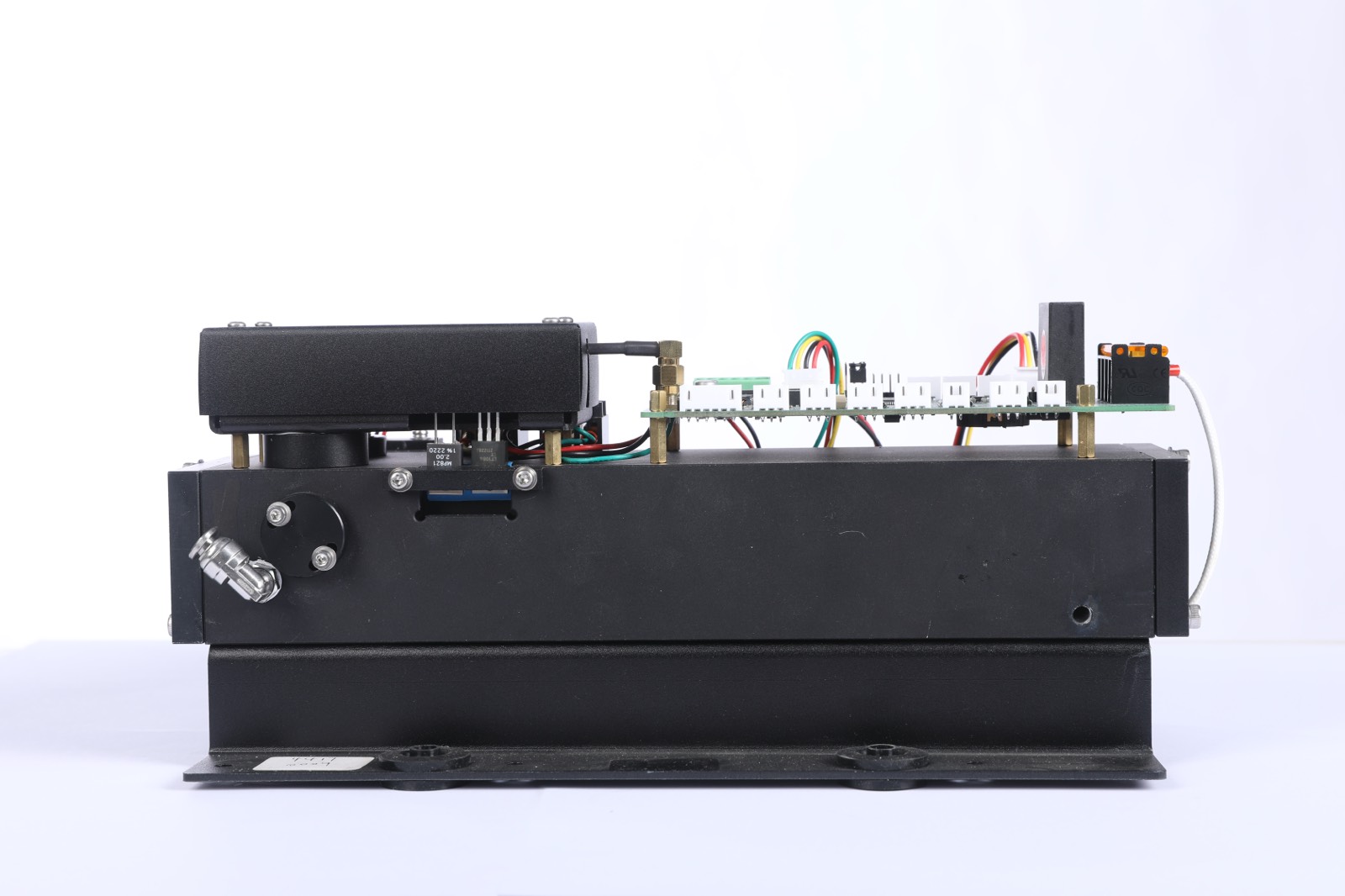 ZS6200-SO2 / ZS6100-NOx
ZS6200-SO2 / ZS6100-NOx Process SO₂/NOₓ Analyzer
UV fluorescence process analyzer for real-time SO₂ and NOₓ control
In-line Process View Specs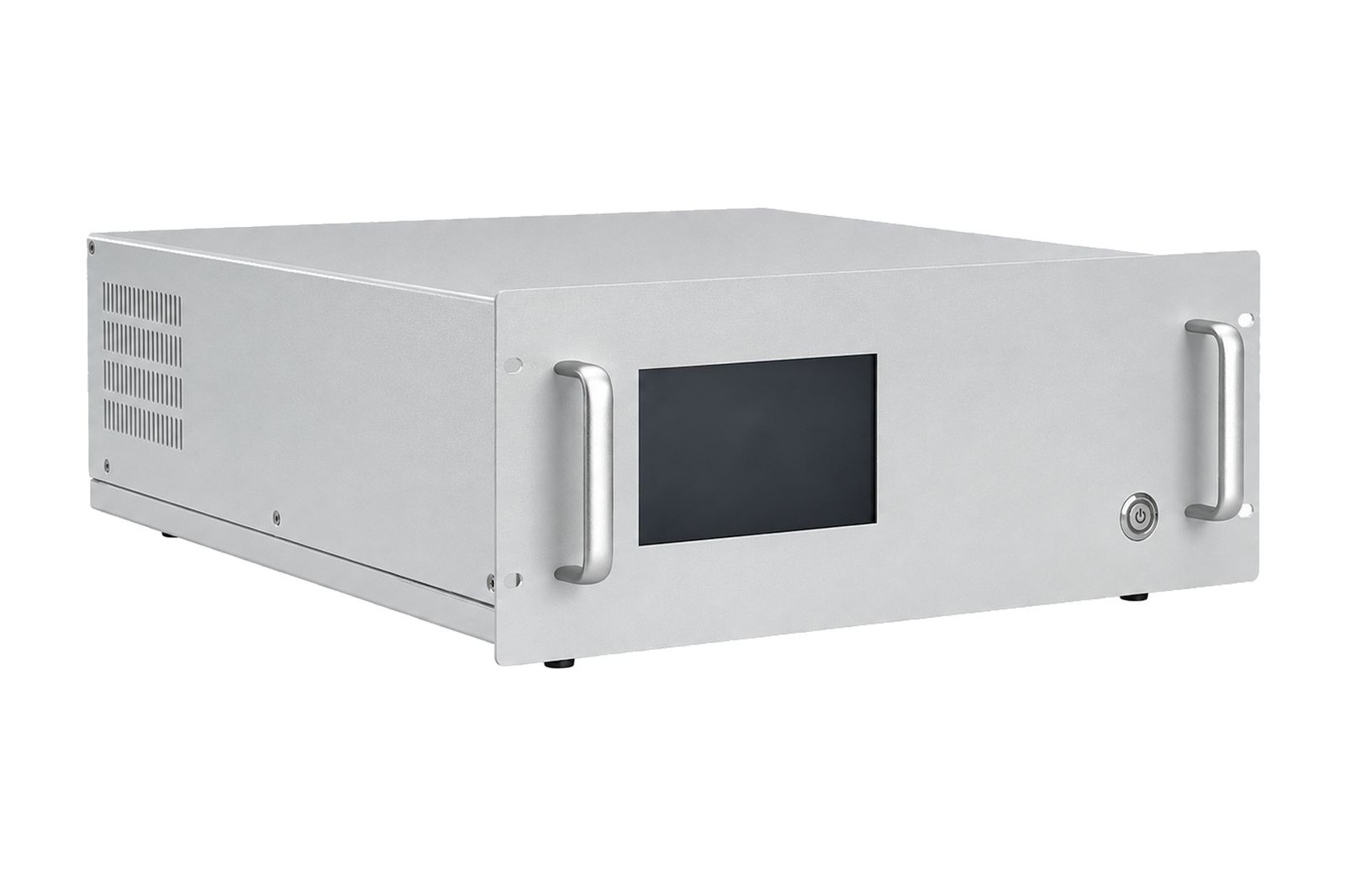 ZS-CEMS-300
ZS-CEMS-300 Multi-Component CEMS
Integrated multi-gas CEMS rack extending SO₂/NOₓ to full emissions reporting
CEMS System View SpecsRelated Measurement Technologies
Measuring more than just so₂/noₓ? Explore complementary analytical categories.
 O₂
O₂
Oxygen Analyzers
Precision oxygen measurement from % to ppm levels using paramagnetic, zirconia, and electrochemical sensing technologies for process control, combustion optimization, and safety monitoring.
View Products Multi
Multi
Multi-Gas Analyzers
Simultaneous multi-component gas analysis using multi-pass TDLAS, NDIR, and combined-sensor platforms for complex process streams, comprehensive CEMS, and research applications.
View ProductsCompare ZS-CEMS-200 with adjacent options
Review neighboring models by technology, range, accuracy basis, and form factor before moving to quotation.
When this model is preferred
Select ZS-CEMS-200 when its measurement principle, range, and form factor match the process duty and certification scope.
When to consider an alternative technology
Consider another analyzer when the gas matrix, sample temperature, hazardous-area scope, or reporting requirement falls outside the stated envelope.
Review ZS-CEMS-200 against site conditions
Send gas range, sample temperature, pressure, moisture, and certification needs before final model selection.


